A combined hydrogen producing factory and solar farm in New South Wales (NSW) is up for public consideration in the federal green queue, proposed by a company featuring several former key players in the Liberal and Nationals parties.
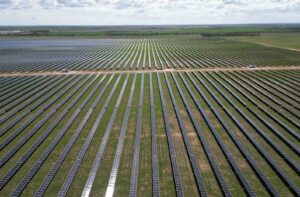
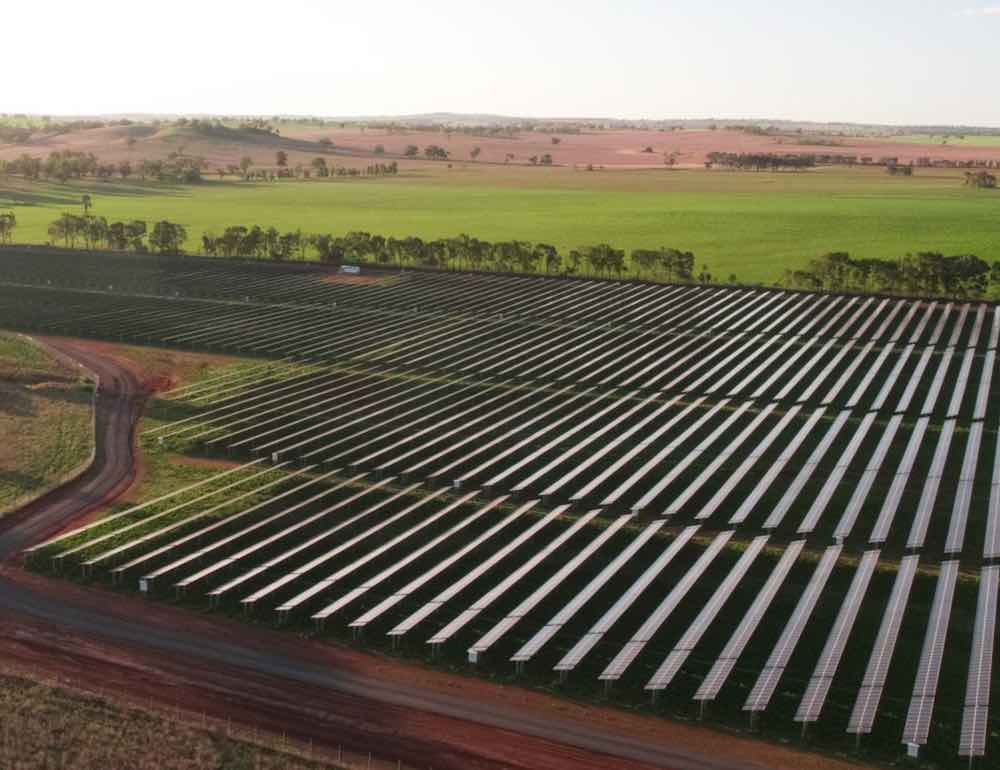
Clara Energy is behind the $350-$450 million project, made up of a 250 megawatt (MW) solar farm, a 12 MW battery of uncertain duration, and a 25 tonne/day hydrogen facility on the Hume Highway.
The company’s full name is Consolidated Land and Rail Australia, has an interest in the inland rail proposal, and is chaired by former federal trade minister, Liberal MP Andrew Robb, and also features the former vice chairman of the NSW Nationals Nick Cleary as CEO.
Clara Energy is the arm handling Project Rosedale, the solar-hydrogen concept pencilled in for the NSW town of Mundarlo, chosen for its location near the Hume Highway, half way between Sydney and Melbourne.
It says that if construction could start in 2025, and the whole operation could be commissioned in 2026. It aims to provide wholesale green hydrogen to the market, targeting heavy vehicle fleets and to provide clean fuel to other hard-to-abate greenhouse gas emissions sectors.
The project will need about 2.5 megalitres (ML) of water a day for electrolysis, and the proposal is to take that from the Murrumbidgee River and store it in a 300 ML dam close to the hydrogen electrolyser.
That, and the sighting of five vulnerable and threatened creatures on the property, are among the reasons why the project is now in the federal EPBC process.
The endangered South-eastern Hooded robin, and vulnerable Southern Whiteface, Brown Treecreeper, Diamond Firetail and Superb parrot birds were all seen on the property.
Ecological surveys also listed the Pink-tailed Legless lizard, koala, Grey-headed flying-fox and the Gang Gang Cockatoo as likely to be directly impacted by the solar-hydrogen development.
The local council also had some concerns, outlined in a letter published in the NSW planning portal, about the ability of the Rosedale road to handle eight heavy trucks a day, the heightened risk of bushfires given hydrogen’s volatile nature, and more details around exactly how much water the project will need as well as how much the whole thing will cost.