The majority of the Federal Greens party room has decided to fall into line with their NSW counterparts and allow a plan to use carbon credits to support the creation of the Great Koala National Park planned for northern NSW.
The verdict means the Albanese government’s Improved Native Forest Management carbon method – a decade in the making – survived a disallowance motion vote originally scheduled for September 15 that had been put forward by the Nationals and backed by the forestry industry. An afternoon vote on Thursday saw the motion fail 34 to 27 votes.
As Renew Economy reported this week, the environment movement had been split over the mechanism, with leading scientists and some national environmental groups supporting a plan that would help end native forest logging in northern NSW.
It also opens the way for a similar method to create a Great Southern Forest in the state’s south, ending logging in state forests there.
Arrayed against the plan were prominent groups such as The Australia Institute and the Bob Brown Foundation.
Internally, there was also a split within the states, with Tasmania and Western Australian members opposed to the INFM, placing them at odds with colleagues from NSW, in particular.
Tasmanian Greens senators Nick McKim and Vanessa Bleyer, and WA Greens senator Jordan Steele-John crossed the floor to vote with the Coalition.
The Australian Greens, in a statement, said it had supported an improved INFM method after securing some changes from the Albanese government.
“After careful consideration of complex legislation and meaningful discussion across our party, the Greens have negotiated new protections for native forests that permanently reduce logging and immediately protect forests,” the federal Greens said in the statement.
“There is now a mechanism in legislation that will significantly reduce logging, a legal precedent to stop coal and gas using offsets, and assurance that native forests can’t be reclassified as plantations,” it said.
The decision not to support the disallowance motion was welcomed by Sue Higginson, the NSW Greens spokesperson for climate change and the environment.
“This decision has been one of the most difficult that we have faced,” Higginson said in a statement.
“Good people with the best intent have reached different opinions on this,” she said. “We respect each other, must hold together, and move forward in our shared fight for forests, the environment and climate. We can’t afford to stop.”
The Albanese government also welcomed the decision, saying the protection of native forests and koala habitats was “one step closer”.
“The INFM method gives state governments the option to support carbon sequestration alongside existing timber production and recreational uses, creating new opportunities for regional communities while delivering emissions reduction and environmental and biodiversity benefits,” Chris Bowen, the climate change and energy minister, and Josh Wilson, the assistant minister for climate change and energy, said in a joint statement.
Some in the Greens party and environment had warned Labor was trying to wedge them by tying a koala national park’s creation to a new method to generate carbon credits. Others, though, noted Labor’s willingness to negotiate with Greens counterparts at a state and federal level – implying a preference of policy over politics.
The federal government, for its part, said it had agreed “sensible adjustments to the implementation of the method.”
These measures include enabling the Clean Energy Regulator to give effect to the NSW government’s commitment to restrict the sale of Australian Carbon Credit Units (ACCUs) generated within the Great National Koala Park to a specified class of entities, Bowen and Wilson said their statement.
The restrictions – a NSW government edict that carbon credits from the method not be sold to the fossil fuel industry – would “apply only to projects under the INFM method and only where a state government chooses to opt into those requirements”, according to the statement.
Senator Larissa Waters, Leader of the Australian Greens, said her party would step up efforts to limit the use of carbon credits more generally, after stepping back from blocking the INFM.
“After achieving the first ban on coal and gas federally using offsets, the Greens are launching a fight to stop coal and gas from ever getting a free ride on pollution reduction again,” Waters said in a statement.
“The fight against Labor’s carbon credit greenwashing starts with the Greens opposing 40% of the offsets used by these big polluters to hide their emissions,” Waters said.
“The Greens and the environment movement are united in caring deeply about protecting native forests, stopping extinctions and cutting the pollution driving the climate crisis,” she said.
“But let’s be honest about who we are negotiating with here, a Labor government that has approved 37 coal and gas projects since coming to office.”
Minister Wilson has written to the Emissions Reduction Assurance Committee (ERAC) seeking advice on variations to the INFM method.
These include increasing the amount of forest that must be protected against established harvesting baselines before projects can receive any carbon credits, rising to 30% for projects registered from 1 July 2030, the joint statement said.
The advice would also seek to clarify the definitions of plantation forest and native forest within the method.
Richard Denniss, co-chief executive of The Australia Institute, said that in voting with Labor, “the Greens have shown they now support putting publicly-owned forests into the ‘carbon marketplace’, and have tied the protection of trees and koalas to the expansion of gas and coal.”
“The climate science makes clear that we need to protect these forests and stop expanding fossil fuels,” Denniss said in a statement. “Allowing fossil fuel pollution to increase because a forest wasn’t logged might take pressure off politicians but it wont take pressure off our climate.”
“There is no way to sugar-coat it, the parliament’s decision today is a setback,” he said. “The unconditional protection of our native forests is one of the cheapest, easiest and most urgent things we can do to limit the effects of climate change.”
NSW environment minister Penny Sharpe said the passage of the INFM through the Federal Parliament was “an essential step towards establishing one of the most significant conservation projects in Australia’s history”.
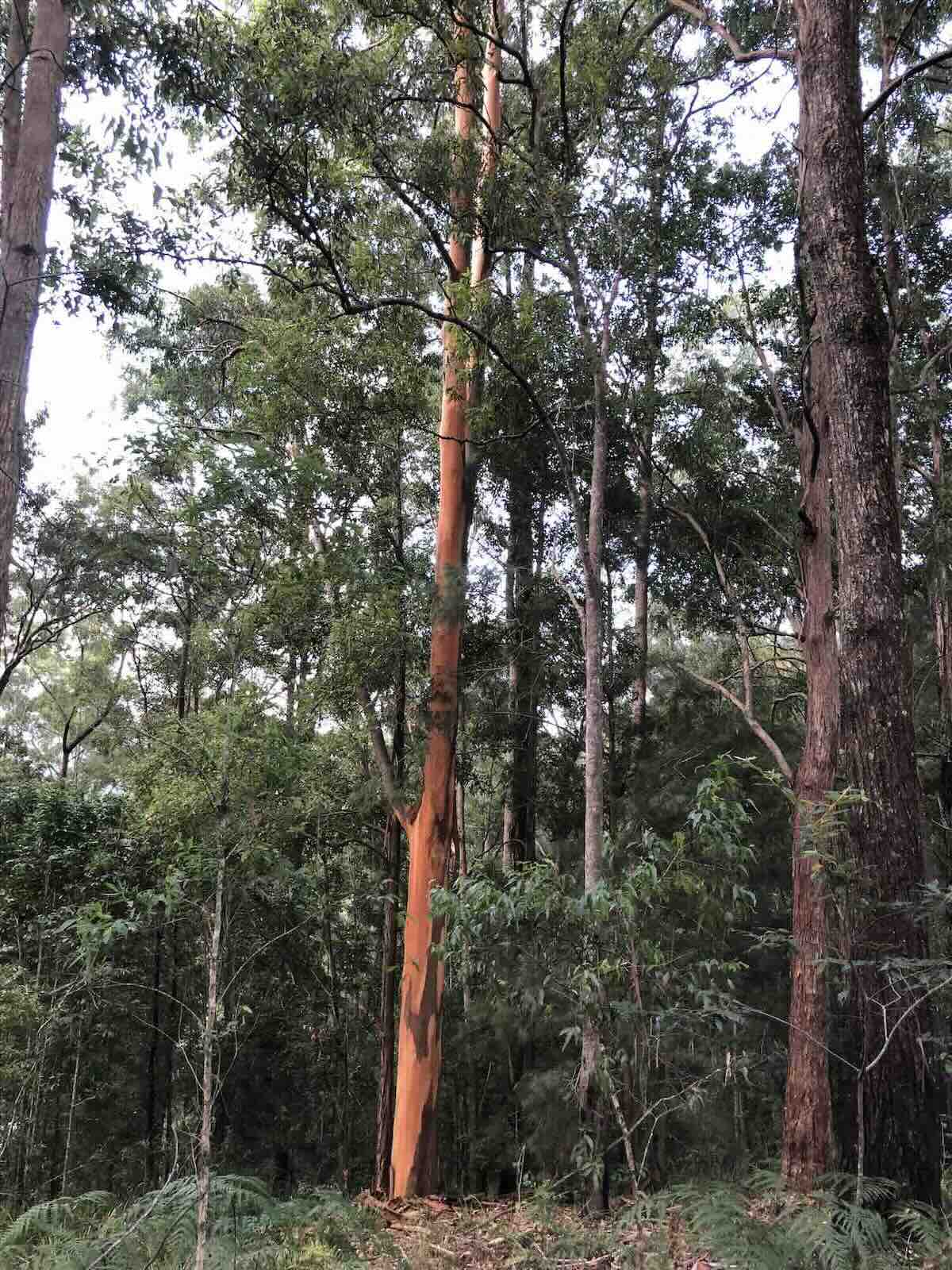
“The Great Koala National Park is a once-in-a-generation opportunity to create a park to protect the iconic koala,” Sharpe said. “It will be the second-largest park in NSW conserving over 475,000 hectares of native forest and existing reserves. When established, it will protect more than 100 threatened species, including 12,000 koalas and 36,000 greater gliders.”
“Upon approval from the Clean Energy Regulator, the Minns Labor government will introduce the necessary legislation to the NSW Parliament as soon as possible,” Sharpe said.
To join more than 29,000 others and get the latest clean energy news delivered straight to your inbox, for free, click here to subscribe to our free daily newsletter.