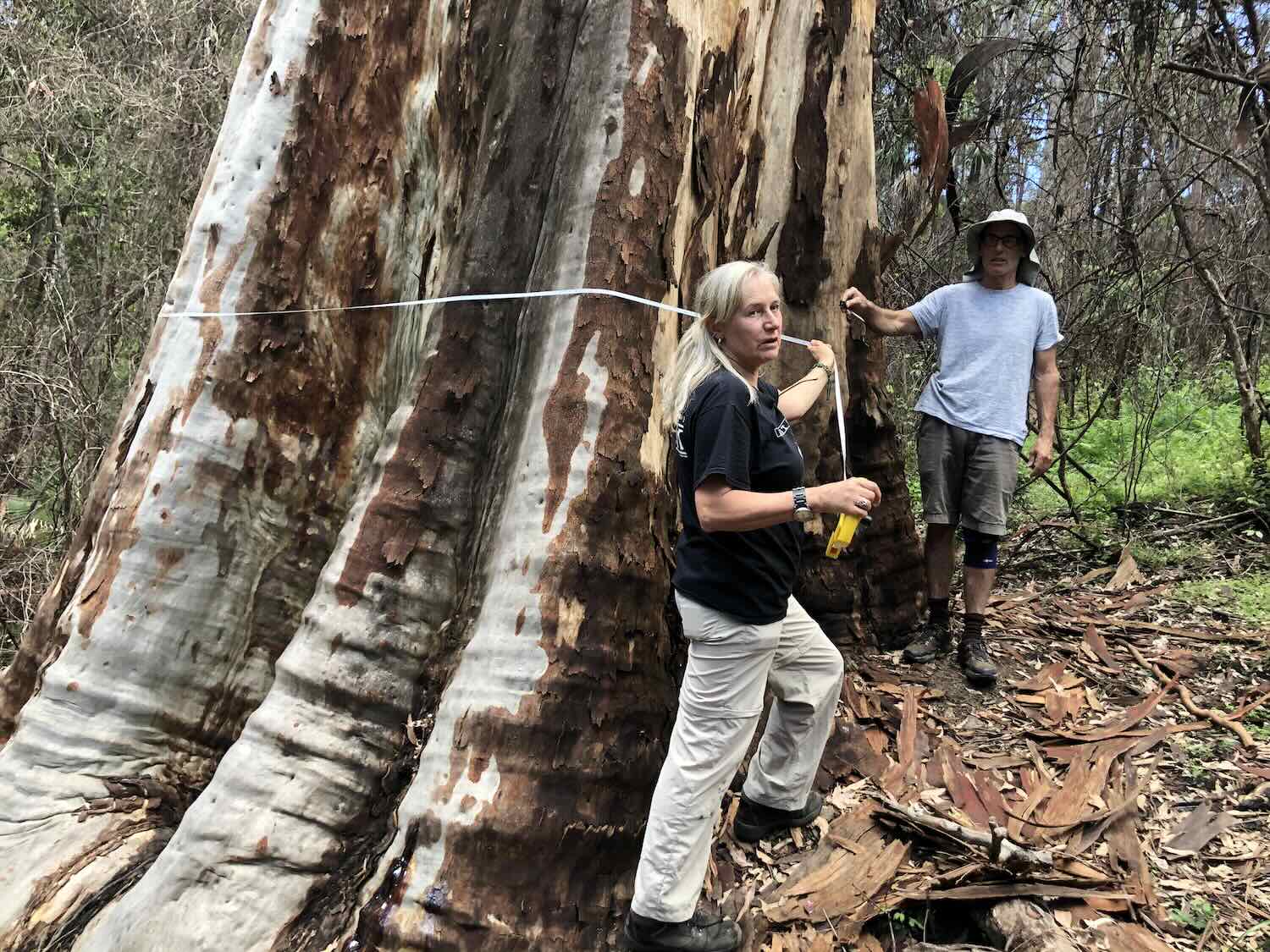
Back in early 2023, just prior to the NSW elections that would deliver a Minns Labor government, a senior member of the then-Opposition told this correspondent the party had a cunning plan to end the long-running battles over native logging in the state’s north.
Setting up a giant Great Koala National Park – a Labor party policy since 2015 – would be an expensive way to end the bulk of native forestry in the region. That tab, though, could be paid for by the use of carbon credits for the avoided logging, the person said during a meeting within state parliament in Sydney.
The Liberals within the soon-to-be outgoing Coalition government would later be revealed (by this correspondent, here) to have pushed for using such credits to pay out the declining logging companies still operating in state forests. Their Nationals partners, though, felled that plan.
It was later revealed (by your correspondent, here) that other hurdles needed to be cleared.
Key moderate Liberals within the Perrottet government – Matt Kean and James Griffin – had sought approval in 2022 from the Albanese government for an “improved native forestry methodology”. They would be knocked back.
In other words, wrangling over the use of carbon credits to support a national park, known as the GKNP, and pay out loggers is not new.
Its viability as an approved method, though, will come to a head on Tuesday, September 15, when the Senate will vote on a disallowance motion put forward by the Nationals and backed by the forestry industry.
How the Greens senators vote will determine the outcome. Some media commentators have called the vote a potential reprise of the party’s 2009 decision to vote down the Rudd government’s carbon pollution reduction scheme, triggering a decade of climate policy paralysis. (Others have challenged that view.)
A little over a week out from the disallowance motion vote, the Greens party room is understood to be divided, with NSW senators inclined to oppose it with their Tasmanian colleagues leaning the other way.
As Renew Economy reported on Monday, the message from the Greens MPs in NSW is that the disallowance ploy should be defeated.
Sue Higginson, the NSW Greens’ spokesperson for climate change and the environment, told Renew Economy the policy stance didn’t mean the party backed the use of carbon credits, per se, but the prize of saving native forests now was paramount.
“I’ve spent more than three decades fighting native forest logging and taking on mining giants in the courts to stop climate pollution,” Higginson said.
“I utterly oppose fossil fuel projects being able to use carbon offsets to keep polluting into the future, but disallowing the INFM method would leave fossil fuel offsetting intact while putting hard-won forest protections at risk,” she said.
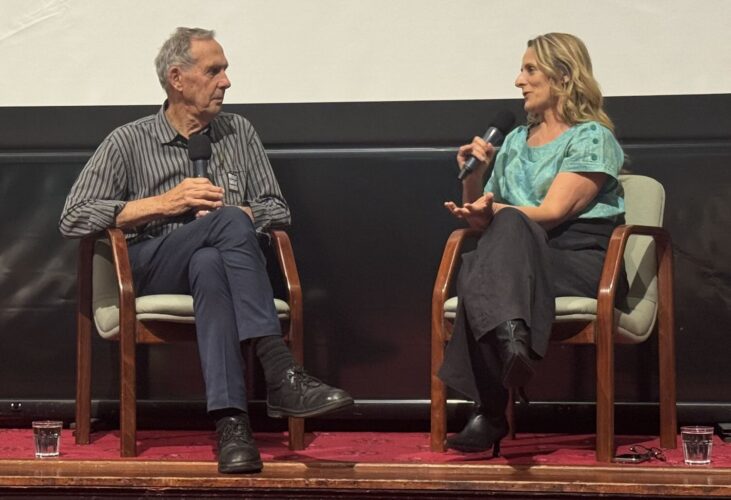
Higginson joined a discussion on forests – including the prospect of stopping logging in the state’s south using the same methodology for the GKNP – with Greens former leader Bob Brown on Saturday in Sydney.
Brown described the debate over the use of carbon credits – which he has opposed publicly – as the “Greater Glider in the room”.
NSW Labor was pleased to have stumbled on the methodology, even before they took office in March 2023. They figured they would position NSW better, fiscally, than Labor counterparts in Victoria and Western Australia.
Those two states, after all, had declared an end to native logging on their own – and so, could not generate credits from avoided emissions from cutting down the giants of the forest.
But Renew Economy can also reveal that it was not for want of trying.
Former Victorian energy and environment Lily D’Ambrosio told this publication her government had written to the then federal Coalition government only to have the request for a forest-based methodology refused.
Australian National University professor Andrew Macintosh – who has designed the INFM methodology, now subject to the disallowance motion – said he was consulted by the Victorians during 2014-15 about an approach to the Abbott government.
The debate that’s coming to a head over the coming week, then, has been brewing for more than a decade.
To join more than 29,000 others and get the latest clean energy news delivered straight to your inbox, for free, click here to subscribe to our free daily newsletter.