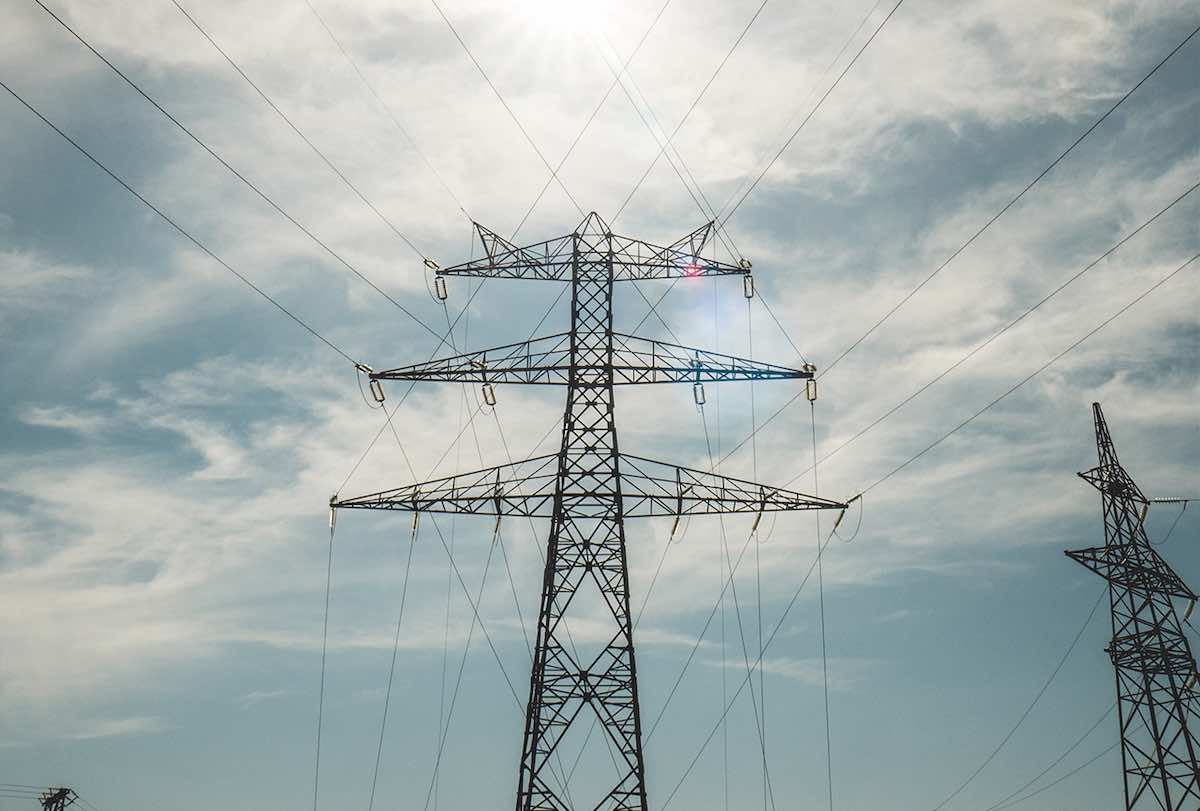
Major earthworks for the new Flinders Substation south of Hughenden in Queensland have gotten underway, a major component of the CopperString transmission link that promises to unlock some of the country’s most promising wind and solar projects.
The Queensland government confirmed on Tuesday that civil works had begun at the Flinders Substation, including construction of a new access road and preparation of the new substation site. Bulk earthworks at the site are expected to be completed by the end of the year.
Copperstring, originally proposed more than a decade ago, is designed to connect Queensland’s mineral and renewable-rich north and north west regions to the National Electricity Market (NEM).
The project is being delivered in two sections – a 350-kilometre (km) 330 kV transmission line from Reid River near Townsville to Hughenden that is expected to be completed in 2032. This will help unlock major projects such as Windlab’s newly approved 1.4 gigawatt Wongalee project and the Prairie project, also rated at 1.4 GW.
A pared back Western Link will focus more on the development of local renewable energy generation, battery storage, and microgrids, to ensure regional energy reliability for communities such as Richmond, Julia Creek, Cloncurry, and Mount Isa.
Queensland’s state LNP government revised back plans for CopperString late last year, committing only to a 330 kV Eastern Link, down from a proposed 500 kV transmission link, and dialling back an actual Western Link transmission line in favour of so-called “bespoke solutions”.
CopperString is also expected to create additional capacity across Queensland’s North West Minerals Province to unlock new mining projects.
“Copperstring is more than a transmission line – it’s an energy solution for the North and North West,” said David Janetzki, state minister for energy.
“The North West Minerals Province is one of the richest mineral producing regions in the world, potentially holding $700 billion in critical minerals and further unlocking opportunities will help deliver even more benefit for Queensland’s economy.”
If you would like to join more than 29,000 others and get the latest clean energy news delivered straight to your inbox, for free, you can click here to subscribe to our free daily newsletter.