Developer Enervest has finally called time on its huge four-hour Hazeldean big battery project in Queensland, after the planning process limped to a close this month.
The developer withdrew the planning application with a reluctant Somerset regional council in July last year, and last week killed off the federal EPBC application as well.
The fierce local opposition, including what the regional council mayor last year described as “threatening behaviour”, and a high level of scrutiny at both local and federal levels made the planning processes challenging.
The developer didn’t put any more work into the EPBC application after finishing with the Somerset council, but left it in the system as Queensland and the commonwealth made major legislative changes to state planning and the EPBC, Enervest said in an emailed statement.
On its website, the developer said the move to withdraw from the area “follows ongoing conversations with Somerset Regional Council, key stakeholders and the local community.”
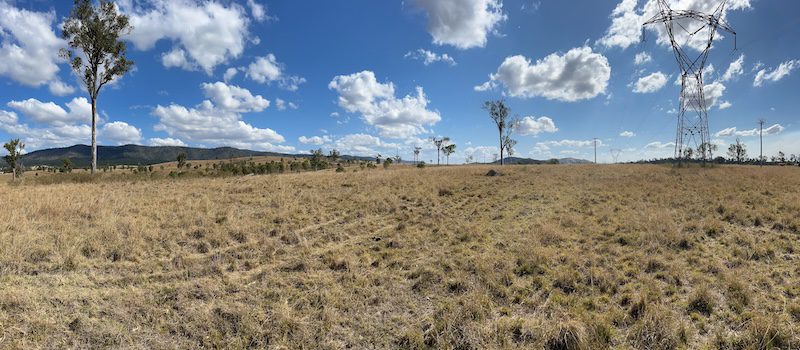
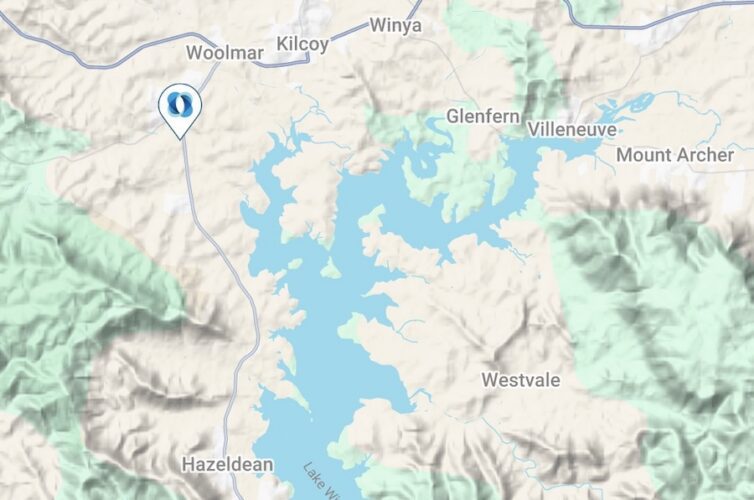
The website still shows the project as a 400 megawatt (MW), 1600 megawatt-hour (MWh) battery, proposed for a piece of farmland about 3km southwest of a town called Kilcoy, inland from the Sunshine coast.
The idea was to build a substation on site and connect into the 275 kilovolt (kV) Powerlink transmission network, and originally proposed as a bigger 800 MW, 1600 MWh project.
According to the EPBC website, the Hazeldean project almost made it all the way through the EPBC process after, unlike many standalone batteries now, it was deemed a controlled action in March last year.
The federal Department of Energy, Environment and Climate Action said in a rare explanation of why it was controlled that the removal of scattered trees on the site would have consequences for koala and grey-headed flying fox populations.
The EPBC received seven submissions from the public, all opposing the project and four calling for it to be a controlled action.
The council planning application was lodged in 2023 and faced considerably more resistance, with locals fearing everything from the risk of fires and “electromagnetic interference” causing cancer, to the possibility that runoff, either from firefighting liquids or just through construction and operation, would contaminate the local dam.
The council noted in a Facebook post in June 2024 that it received 298 submissions about the project. Among the supporting documents for the planning was a redacted summary of 57 of these that opposed the project, many of which were the same form letter which included the same spelling errors, or had copy-pasted the same text.
The council itself was nervous about the battery, asking in July 2024 for extra information on everything from fire risks to potential land water contamination, who would ultimately own the battery, and which manufacturer the developer was looking to buy from.
When the council application was pulled in July last year, Somerset regional council mayor Jason Wendt said it was clear the community didn’t want the project.
“As a councillor it was clear from the many submissions this development was not wanted by our community in this position,” he said during the July 23 council meeting.
“Our rural community is built on our rural amenity and that’s what makes Somerset special within the South East corner.”
The mayor also had some things to say about the depths locals descended to when it came to behaving themselves as the planning application moved through its various steps.
“I am disappointed that some residents have displayed poor, even threatening behaviour, to myself and my fellow councillors,” he said during the meeting.
Dumped ahead of new planning rules
Enervest dumped the council application months before Queensland passed new laws enforcing the same strict rules over battery projects as it put in place for wind and solar.
After its two year-long experience with the Hazeldean battery project, the Somerset regional council was keen to bring these into the new laws but still had some reservations about what would ultimately become the law.
In a submission on the new laws in May last year, the council was worried that signing a legally binding community benefits agreement before planning applications are lodged is “premature”.
“[It] may suggest a conflict of interest where Council appears to have given its support for a project that, upon the detailed planning assessment, may have matters of non-compliance or require changes to achieve compliance,” council CEO Andrew Johnson said in the submission.
It also wanted council planning schemes to be part of the assessment framework so local issues such as visual amenity are included – something that was also stripped from the new planning system that now lies in state hands.
If you would like to join more than 29,000 others and get the latest clean energy news delivered straight to your inbox, for free, please click here to subscribe to our free daily newsletter.