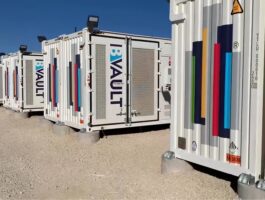
Big battery projects seeking to be built in the Sunshine State will now have to meet the same strict new planning rules as large-scale solar and wind, according to a fresh legislation amendment introduced by the Queensland LNP government last week.
The Planning (Battery Storage Facilities) and Other Legislation Amendment Regulation 2025 was announced by state planning minister Jarrod Bleijie last Thursday, a move he said would bring large-scale battery energy storage systems (BESS) under the same planning regime as solar and wind.
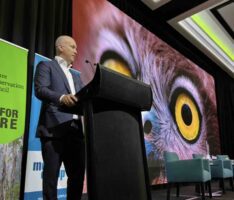
“The latest changes will empower communities on BESS development, aligning its planning framework with the rigorous assessments already in place for other renewable energy projects,” Bleijie said.
“The Crisafulli government is delivering on its election commitment to ensure renewable energy projects are impact assessable with approval processes consistent with other land uses like mining and agriculture.”
The announcement on the battery planning amendment followed the Wednesday night passage of the Crisafulli government’s energy legislation, the Energy Roadmap Amendment Act 2025, through state parliament.
As Renew Economy reported, the new laws officially dump the former Labor government’s renewable energy targets and instead dedicate $1.6 billion to propping up coal and leave just $400 million to be divided between new renewables, storage and gas.
But the Crisafulli government first set the scene for its approach to renewables in the early weeks of 2025, when it announced it would call in a state approved wind farm, and put a pause on three other gigawatt-scale projects, pending a review of their planning applications.
In May, it unveiled strict new planning rules, requiring solar and wind farm developers to enter into “binding agreements” with local governments, setting out the social impacts and community benefits of proposed projects, before they can apply for development applications with the state.
The changes received a mixed reception, with green groups welcoming the promise of better community consultation and regional community benefit sharing, but questioning the motivation behind it.
“This could potentially be a wolf in sheep’s clothing if the government uses this process to halt renewable projects based on ideology over evidence,” said Queensland Conservation Council (QCC) director Dave Copeman in a statement at the time.
Just this week, new QCC analysis based on data from the Clean Energy Council found that investment in renewable energy and energy storage had, indeed, almost ground to a halt in the Crisafulli government’s first year in office, dropping by more than 74 per cent.
Under the latest amendment to legislation, large stand-alone BESS projects of 50 megawatts (MW) or more must now undertake social impact assessment and agree with the local government on community benefits before lodging a development application.
“Building on reforms introduced for wind and solar projects earlier this year, these changes will ensure consistent assessment, manage social and agricultural impacts, and give communities and local governments a stronger voice in decision-making,” Bleijie said.
In an update on the new rules on Wednesday, Herbert Smith Freehills Kramer warned they will have “significant implications for the development assessment pathway for BESS in Queensland.”
A separate update from King Wood and Mallesons says that while much of the new process will be familiar to industry – having spent the past roughly 8 months working through similar changes for wind and solar – they will “substantially reshape the approval pathway” for big battery developments in Queensland.
“For developers and investors,” the update says, the reforms add “further steps and complexity before applications can be lodged. This is likely to increase upfront costs, lengthen project timelines and require more intensive engagement with host communities and local governments.”
If you would like to join more than 28,000 others and get the latest clean energy news delivered straight to your inbox, for free, please click here to subscribe to our free daily newsletter.