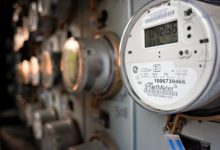
All new smart meters in Australia will have to be able to share real-time data from January 2028 under a new proposal from the energy market rule maker.
The Australian Energy Market Commission’s (AEMC) newly announced draft rule would see all Australians given access to real-time information from their smart meter as the devices are upgraded or newly installed from 1 January 2028.
The expectation is that – at a minimum – households will be able to use the information to time their energy use to when tariffs are lower, and get lower bills as a result. If they choose to share the data, they could also take advantage of any products or services that build on it.
The new rule means minimum service specifications for all new smart meters across the country would need to be changed, to ensure they can communicate real-time data with no upfront cost to households.
Real-time energy data is something that people living in Victoria already have access to, thanks to the government’s smart meter mandate that started in 2006.
But now that flexible electric devices from home batteries to smart pool pumps are common features of homes across the country, there’s an opportunity now to coordinate that information, says AEMC chair Anna Collyer.
She says that data can also support the long-promised integration of consumer energy resources into the grid.
“Stakeholders asked us to investigate the value of real-time data, and how access to real-time data might be enabled at no upfront charge in the near term to assist consumers with their bills,” Collyer said.
“This would be facilitated through a specification change to update the technology, which we have found is a relatively low-cost solution for consumers, amounting to approximately $0.66 per meter, per year, as part of a regular electricity bill.
“Consumers would be able to access real-time data from the smart meter at no upfront charge, once the meter is upgraded from 2028 onwards. For customers who see value in accessing this data stream earlier, this will also be enabled at a reasonable cost to the customer seeking access.”
Crucially, the rule requires that consumer and cybersecurity protections are part of the deal, such as accreditations for third-parties and requirements not to disclose real-time data without the consent of customers.
From “heck yes”, to “it’s a conspiracy”
Needless to say, energy companies are keen to find out what exactly is going on behind the meter in households – if consumers agree to share that data – although hesitant about the definition of “real-time” being information shared within one second.
But not all of the submissions were keen on smart meters being the hub of data.
In a submission, Powershop said the rule “poses significant unmitigated risk to consumer privacy, unnecessary complexity and ultimately potential cost for all consumers’.
Instead, it proposed that this data should come via third-parties like itself, a motion the AEMC ultimately rejected as being too expensive.
And the rage that smart meters can inspire was on show in two anonymous submissions from individuals.
“I submit that I object to this “wolf” in sheep’s clothing,” said one objector. “The lies are as unsustainable as the “renewa-bull energy” lies, and one will catch the other out – if it isn’t already.
“I submit that this plan does NOT go ahead, and if it is, those people who continue to rain this rort upon the Australian people have been warned. It is fraudulent, and it may not be too long before that all comes out and heads will roll in that people will be charged, convicted and jailed.”
The other objected to the 66c charge.
“This proposal has all the hallmarks of a bureaucracy out of control and 1984. God help Australia if you think this is the way forward,” they said.
Rule to make retailers more open about switching
The draft rule comes as the Australian Energy Market Commission (AEMC) makes it official that electricity companies must be very noisy about better offers, if there are any available to their customers.
Instead of just a note inside a bill altering customers to the potential of a better offer, retailers must now also send out extra emails and communications telling customers they could be paying less.
The rule change request came from energy minister Chris Bowen’s office in August last year.
Energy Consumers Australia hopes this might make households a little less sticky with their retailers, given its own data shows a third of consumers don’t know what kind of tariff they’re on or indeed what a tariff is. A fifth of consumers review their energy plan once every few years.