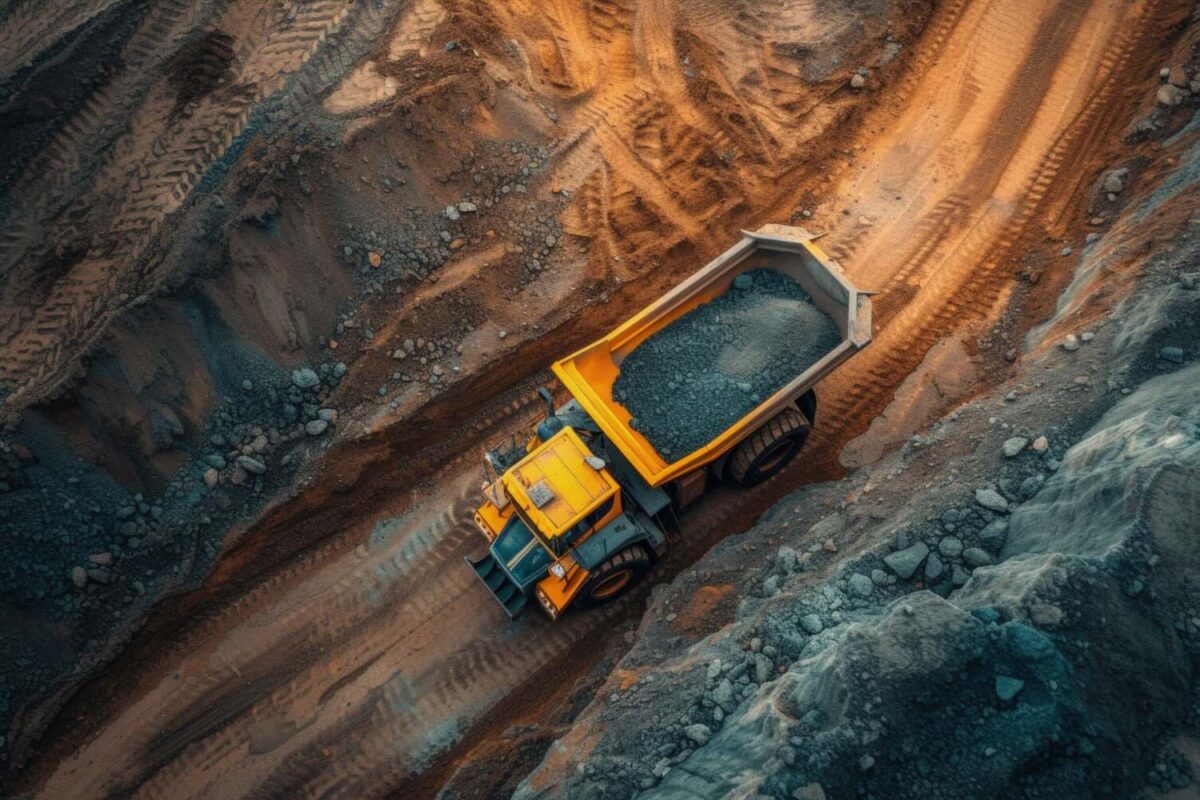
NSW’s Independent Planning Commission is expected to grant approval for the giant Hunter Valley Operations coal mine extension within days, a project that opponents have decried as a “carbon bomb.”
The IPC verdict, to land by September 30, follows prime minister Anthony Albanese’s call for “bravery” in curbing carbon emissions, made in an overnight address at Climate Week in New York.
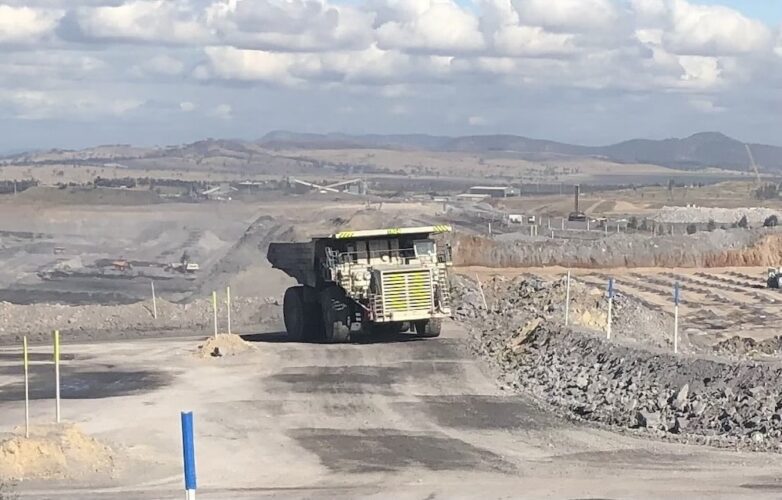
The owners of the HVO project, Glencore and Yancoal, are seeking approval to extend the life of a major Hunter Valley coal mine near Singleton by 19 years.
The mine’s proposed output totals 429 million tonnes of coal. When burnt, the fossil fuel will cause emissions of about 809 million tonnes of carbon dioxide equivalent – or about seven times NSW’s present annual carbon pollution.
About 98% of those emissions would be so-called scope 3, associated with the transport and combustion of the fuel by end users.
The IPC told Renew Economy the three commissioners reviewing the HVO project were yet to make a final decision. It’s expected, however, that they will approve the project given NSW and Australia’s climate policies treat scope 3 emissions as other nations’ problems.
The prospect of yet another big fossil fuel project winning approval – following the Albanese government’s approval of Woodside Energy’s North West Shelf extension out to 2070 and progress on opening up the Tamboran Resources Beetaloo gasfield – runs counter to the prime minister’s rallying cry for climate action at the partner event to the United Nations annual general assembly.
“The reality of our changing climate is becoming more obvious with every season,” Albanese said, adding, “Australia understands the dangers of global warming and the urgency of climate action as well as any nation.”
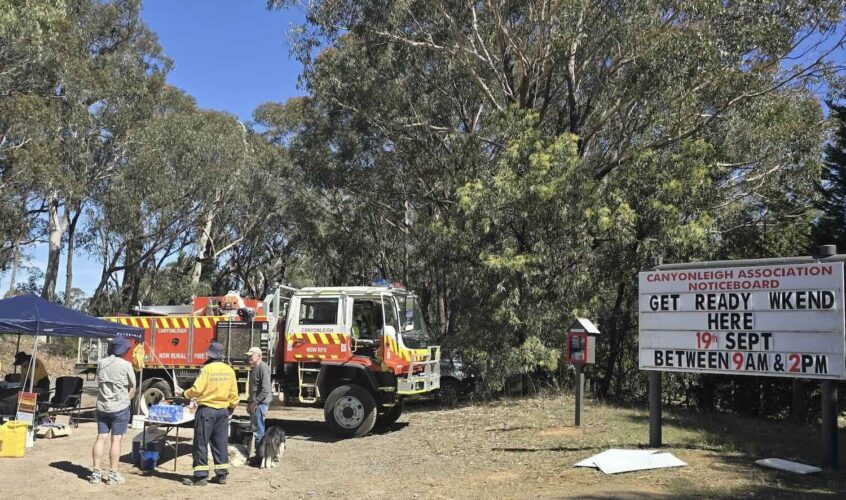
Indeed, with the monster El Nino climate event in the Pacific already reaching record levels, Australia and the Pacific nations were “preparing for a potential summer of extreme heat, bushfires and floods,” he said.
Just as emergency crews, including volunteer fire fighters, were part of communities showing kindness and generosity to “bring light in the darkest times”, as leaders “we must match their bravery,” Albanese said.
The NSW government acknowledges emissions from HVO would “contribute to climate impacts in the locality,” according to the assessment for the “state significant development” submitted by the state’s Department of Planning, Housing and Infrastructure [DPHI].
However, the IPC will give its verdict on proposals based on the state’s policies, including its NSW Coal Industry 2026–50 plan. That’s why the commission has little choice but to approve the HVO proposal regardless of submissions and public hearings, Renew Economy understands, with the main interest being what conditions it will impose.
The NSW government has said it won’t approve “greenfield” coal mines but will consider extensions of existing operations on case-by-case process, and apply “robust” regulations.
“The department considers the [HVO] project is consistent with these policy frameworks and that [greenhouse gas] emissions have been minimised to the greatest extent practicable given the project has met the relevant NSW government guidance for emissions avoidance, mitigation and offsetting,” the DPHI assessment said.
That 2026-50 plan makes no reference to climate change impacts, and focuses instead on local industry “playing its part in meeting NSW’s net zero targets.” Miners are responsible for cutting their own emissions “complemented by the use of offsets where abatement is not feasible.”
Lock the Gate Alliance, an anti-coal group, says the regulatory landscape has been “evolving,” offering a “glimmer of hope that we can halt this juggernaut in its tracks.”
“This mammoth, polluting HVO Continuation proposal is a carbon bomb. It is a clear and present danger to Australia and New South Wales, and must be stopped,” the alliance said.
In a separate IPC submission, Lock the Gate cited NSW’s Net Zero Commission’s spotlight report on the NSW coal industry and subsequent statements as highlighting the “gaps” that permitted the appoval of new coal projects.
“[C]onsideration of the full climate impacts of proposed coal mines, extensions and expansion projects have, for the most part, failed to be reflected in determinations of projects to date,” Katerina Kimmorley, a NZ Commissioner, told a NSW parliamentary inquiry in May.
“We also see that no policy guidance has been proposed to fill the current gap in the planning assessment framework in relation to scope 3 emissions,” Kimmorley told the inquiry.
The spotlight report, released last December, noted NSW had 37 coal mines operating in NSW, generating export revenue of $33.1 billion and $3.1b in royalties in 2023–24.
“However, the process of coal mining generates significant greenhouse gas emissions”, with coal accounting for 96% of the resources sector’s emissions in 2022–23. “These contribute to a warming and more unstable climate,” the NZC stated.
The NZC spotlight report made five findings, four of which the NSW government accepted.
It merely “noted” the fourth, which stated: “Continued extensions or expansions to coal mining in NSW are not consistent with the emissions reduction targets in the [state’s] Climate Change Act or the Paris Agreement temperature goals it gives effect to.”
NSW’s energy and environment minister Penny Sharpe, in her formal response to the NZC’s coal report, said the state was taking “a balanced approach to coal mining.”
“The NSW coal industry generates export revenue for the state and economic stability in coal mining communities at present while demand for coal remains, but is preparing for demand to decline in the future,” Sharpe said.
“Coal will continue to be a significant contributor to the prosperity of NSW to 2050, and NSW will continue to be a reliable trading partner to meet ongoing international demand,” she said. “However, the role of coal will change over the coming decades as global demand gradually declines.”
The NSW Minerals Council, in its submission supporting HVO, disputed “ongoing commentary regarding the imminent decline of global coal demand.”
“While change will take place, the pace and timing of any decline in global demand is likely to be slower and take longer than suggested by those opposed to coal mining in NSW,” it said in July.
“If NSW prematurely stops mining coal, the 2% of global coal production would be quickly replaced by others with lower quality coal, and resulting in higher global emissions,” it said.
“Any such approach would be a futile gesture in relation to the climate, but would have a disastrous impact here in terms of jobs and our economy.”
The Minerals Council says “any final IPC determination must be consistent with existing NSW Government legislation and policy frameworks”, and hence, “there is no policy basis upon which to refuse the project.”
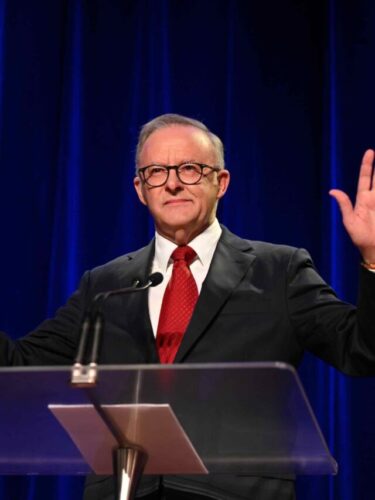
Meanwhile, Albanese managed to avoid mentioning coal in his New York climate address, even though Australia was a signatory last November to the Belem Declaration on the Transition away from Fossil Fuels.
Gas got one shoutout, as a firming energy source for “Australia’s abundant renewable potential.”
Australia, he said, has promised “our Pacific family that they will not face the climate crisis alone,” noting the government has tipped $100 million into a $1.5 billion Pacific Resilience Facility. Another $350 million will support “climate-resilient infrastructure in the Pacific.”
That aid, though, is trinket-worthy compared with Australia’s annual export revenues from fossil fuels – worth $238b in 2022-23.
Albanese touted the “best of humanity” often on display during the worst of times as: “Selflessness. Bravery. Compassion”.
Which of those categories the IPC’s looming approval of the HVO extension will fit into is anybody’s guess.
To join more than 29,000 others and get the latest clean energy news delivered straight to your inbox, for free, click here to subscribe to our free daily newsletter.