Federal Labor has moved to put more of a buffer between its reforms to Capital Gains Tax (CGT) and foreign investors in Australia’s renewable energy transition, adding another decade of breathing room before the full force of the new rules are applied to the sector.
News emerged from federal parliament on Thursday that the Albanese government had amended its legislation to extend a proposed CGT concession from 2030 to 2040 for foreign investors in renewables.
The CGT legislation, first introduced to federal Parliament in early July, had stopped short of making the reforms targeting foreign-owned wind, solar and battery assets retrospective, and had offered a 50 per cent discount on the tax for the next four years, to help soften the blow.
But industry groups were not satisfied that those changes would avert a major flight of capital after 2030, and they warned that the small discount window would encourage foreign owners, who make up the vast majority of investors in Australian renewables, to sell quickly.
“It’s the opposite of the message we want to send, which is that Australia is a stable predictable investment destination that respects the long term timeframes necessary for major energy infrastructure,” Richie Merzian, the CEO of the Clean Energy Investor Group, said at the time.
The new amendment to the Bill – which was pushed for by a mix of Green and independent cross-bench MPs – extends the timeframe for the 50 per cent CGT discount from its previous end-date of June 30, 2030, to 10 years later, on June 30, 2040.
“We were staring down a fire sale of renewable assets before 2030 and a freeze on everything after it – a self-inflicted wound on our energy economy,” said Nicolette Boele, the Independent member for Bradfield, in a statement on Thursday.
“It took sustained pressure from the crossbench and from industry to get here. This is what it looks like to bring our tax laws into line with an economy fit for the 21st century.”
Zali Steggall, the independent member for Warringah, said she would continue to push for a statutory review in 2035 to assess whether a further extension of the CGT concession was needed to keep Australia on track for net zero by 2050.
“Australia needs significant new generation, storage and network investment through to 2050 – and around 70 per cent of clean energy capital comes from foreign sources,” Steggall said on Thursday.
The Investor Group on Climate Change (IGCC), which has lobbied hard for the change alongside the Clean Energy Investor Group (CEIG) – and modelled the tax’s potential impact under its original settings – says the extension aligns more closely with the clean energy transition.
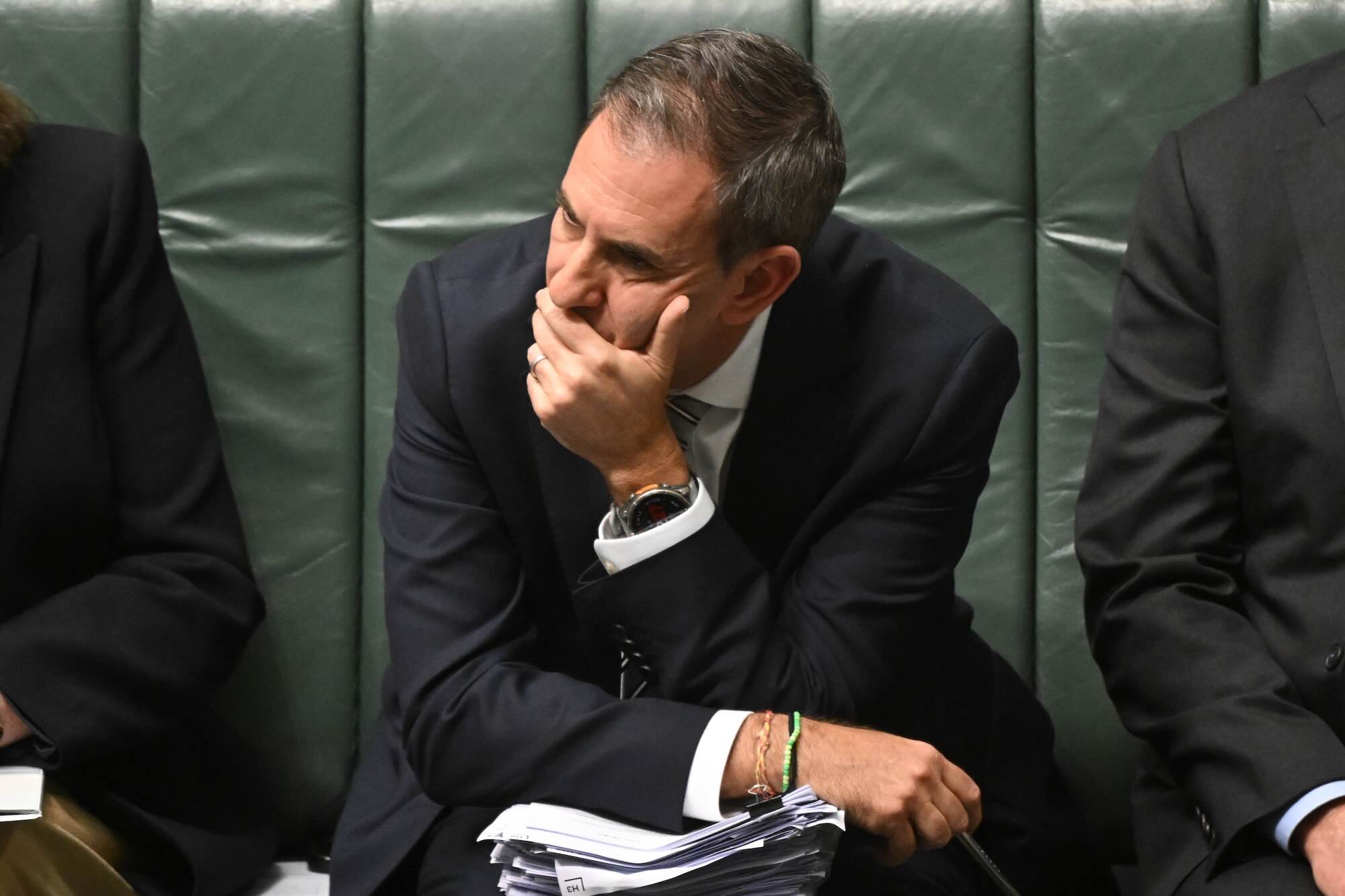
“The Treasurer’s move to better align the tax regime with Australia’s energy transition removes an element of uncertainty for investors at a time we need to supercharge investment into new clean energy supply across the board over the next fifteen years at least,” IGCC policy director Frankie Muskovic said.
Merzian said this week that the new compromise increases the chances that the much-needed source of international capital would continue to flow into Australia and support the shift to renewables.
“Australia’s energy transition is competing for global capital with other countries, and the commitment from the Treasurer today to amend the Bill will ensure Australia remains a competitive investment destination,” Merzian said in a statement.
Both the IGCC and the CEIG paid tribute to the Greens for the party’s pivotal role in getting the amendments into the bill and through federal Parliament.
“The Greens have shown a steadfast commitment to supporting renewable energy and have helped ensure the transitional period for the new CGT on international investors in clean energy is in alignment,” Merzian said.
“Notwithstanding the positive changes being made, we will continue to work constructively and persistently with the Government to ensure regulatory settings deliver greater equity and certainty for foreign investors relative to their domestic counterparts,” he added.
To join more than 29,000 others and get the latest clean energy news delivered straight to your inbox, for free, click here to subscribe to our free daily newsletter.