Two of the most powerful energy companies in Australia, AGL and the French-based Engie have announced what they say is an innovative “virtual storage” deal, but the details of exactly what has occurred remain opaque.
According to Engie, the company has bought a five-year, derivatives-only agreement with AGL that will allow Engie to emulate the operational flexibility of a two-hour battery. The contract will start in 2027.
“This is a landmark agreement and a milestone for our business and the Australian energy landscape,” Engie Australia’s head of supply and energy management in Australia and New Zealand, Tiburce Blanchy, said in a statement.
“We’re doing this to unlock new ways of delivering firming capacity to our customers, entirely independent of any physical assets. This advanced structure strengthens our suite of Energy Management Services, offering more flexible solutions to market counterparts and large energy users in Australia.”
As Blanchy underlined in his comments, the deal reflects the growing complexity and innovation offered by the rapid growth of battery storage. And you don’t even need to nominate an actual battery to do this – it will come from the portfolio owned by the people selling the contract, in this case AGL.
And, as innovative as it appears, such transactions also seem to be part of the growing problem in Australia’s energy markets. But, like most such deals, even those funded by taxpayers or customers, there is little transparency.
We asked, but the two parties to this deal would not reveal the size of the (capacity) of the contract, certainly not the price, and not even which assets were supporting it.
AGL’s head of trading and origination Simon Sarafian said in a LinkedIn post that the deal is not linked to any particular physical asset.
“This innovative approach enables financial trading to mimic energy stored in a battery,” Sarafian wrote.
“Backed by AGL’s portfolio in NSW and our leading trading capability, such agreements can accelerate AGL’s battery energy storage system (BESS) pipeline, including projects from our 2024 acquisition of Firm Power.
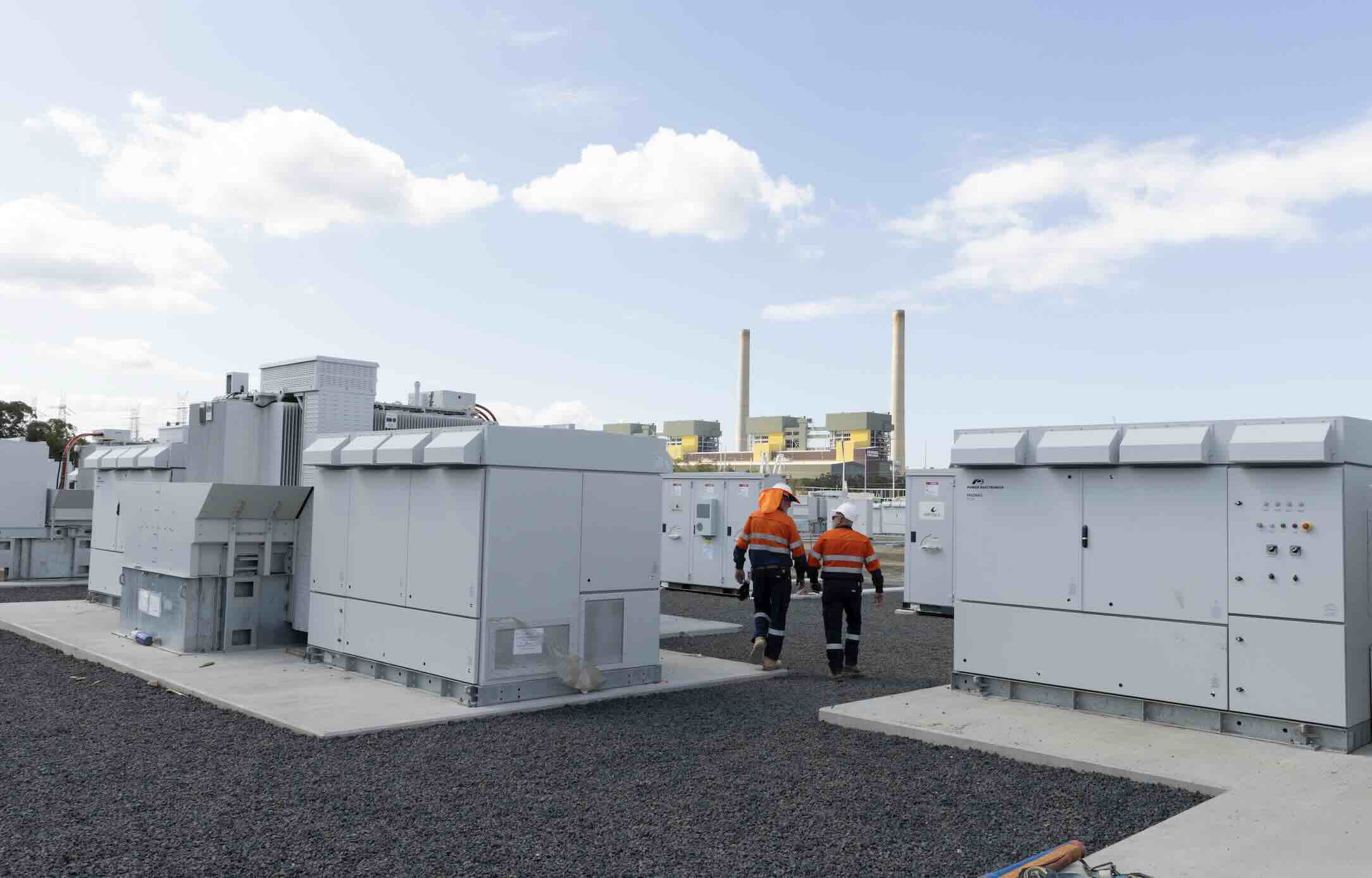
(AGL already owns the Torrens Island battery, has off take agreements with others, and is building the 500 MW, 1000 MWh Liddell battery, and plans other projects including the newly committed 500 MW, 2,000 MWh Tomago battery.).
“This is a great example of how financial innovation and energy technology can work together to reshape Australia’s energy landscape,” Sarafian said.
Such virtual storage agreements act in a similar way to baseload swaps, or $300 caps – key derivative instruments that are essential to the running of the market. With a battery, it defines a high and low, offers risk protection for the buyer and some revenue certainty for the seller (of the contract).
Hydro Tasmania’s actually did an interesting, short video on YouTube that explains how these things work, for those interested.
Engie has signed the virtual storage contract because it is yet to build any substantial batteries of its own – although it does plans to – and says it needs to hedge the risks from the contracts it offers its own energy customers.
“We offer comprehensive energy and risk management services to customers across the National Electricity Market. This requires us to have access to a diverse a range of solutions in different regions and timeframes,” Blanchy says.
“We use BESS’s (battery energy storage systems) and virtual storage agreements to structure tailored solutions that help our customers and counterparts achieve their risk management, firming and decarbonisation objectives.
“This is why Engie is also actively developing several BESS projects across Australia.”