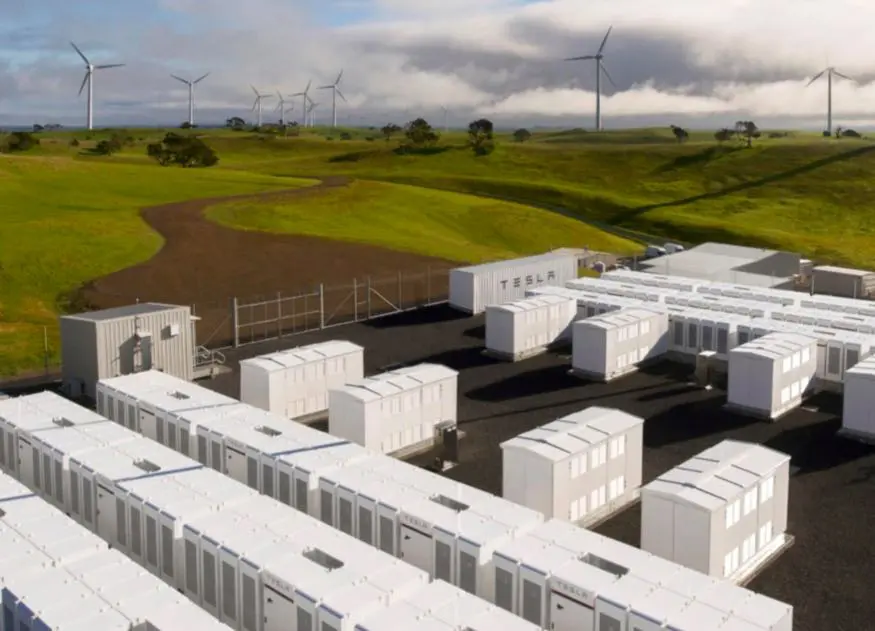
Spanish developer Iberdrola has withdrawn its proposed Gin Gin battery from the Queensland planning process, although it says remaining committed to the project and will go back to local council to seek approvals.
The 500 megawatt (MW), up to four hour (2,000 MWh) battery was “called in” by planning minister Jarrod Bliejie in April, alongside two other battery projects.
Two other wind-based projects proposed by UK-based Cubico were “called in” in June last year – and are still awaiting news of their fate – while two other wind projects have had their planning approvals cancelled.
The call in notices were exercised by Bleijie under special powers that gives a minister the right to take over a process, in this case planning applications after the state changed the rules on how renewable energy projects are assessed.
Chinese solar and storage giant Trina Solar withdrew its planning application for the Pleystowe battery a little over a week after the official call in, while Potentia Energy is still pushing ahead with its Capricorn battery, having asked for more time to respond to the exhaustive information request sent by the government.
Iberdrola wrote to the planning minister last week, informing him of the “withdrawal of the development application for the Project.”
Iberdrola’s withdrawal letter, however, suggests it is still working on the project.
“We remain committed to the project and are presently working with the Bundaberg Regional Council on our Social Impact Assessment and Community Benefit Agreement,” the letter says.
“We consider it prudent to allow suitable time for this process and for the stakeholders involved, including Bundaberg Regional Council and the local community, to consider and contribute to the Social Impact Assessment and negotiate a fit-for-purpose Community Benefit Agreement.”
An emailed statement to Renew Economy says Iberdrola Australia aims to give the council the assessment “shortly” and then begin negotiations on a “fit-for-purpose” community benefit agreement.
“The timeline is dependent on these negotiations, which we aim to complete before the end of 2026 and submit a development application soon after,” the statement says.
In December last year, the Queensland government added batteries to the changes already made for solar and wind projects.
These require renewable energy projects to have finished a social impact assessment and signed a community benefit agreement with the council before seeking a planning greenlight.
It’s left councils scrambling to figure out how to handle the negotiations – Bundaberg put its policy in place in April, while experienced energy councils Western Downs and Gladstone have already signed deals. Iberdrola signed a community benefits agreement with the Isaac council over its Burrenbring battery last month.
All three battery projects were “deemed refusals”, where the local council couldn’t or didn’t make a decision.
Where the three battery projects fell afoul was the refusal happened before the new rules started, but the legal appeal against that non-decision coming after.
In Iberdrola’s case with the Gin Gin battery, while technically the project fell within the Bundaberg planning rules, local opposition meant the council didn’t want to approve.
Which left the project in the hands of Bleijie and a government accused of waging an ideological war against clean energy.
The Gin Gin battery is on a single landholder’s block and next to a substation in rural Queensland, about 20 km west on the Bruce Highway from the Gin Gin township.
To join more than 29,000 others and get the latest clean energy news delivered straight to your inbox, for free, click here to subscribe to our free daily newsletter.