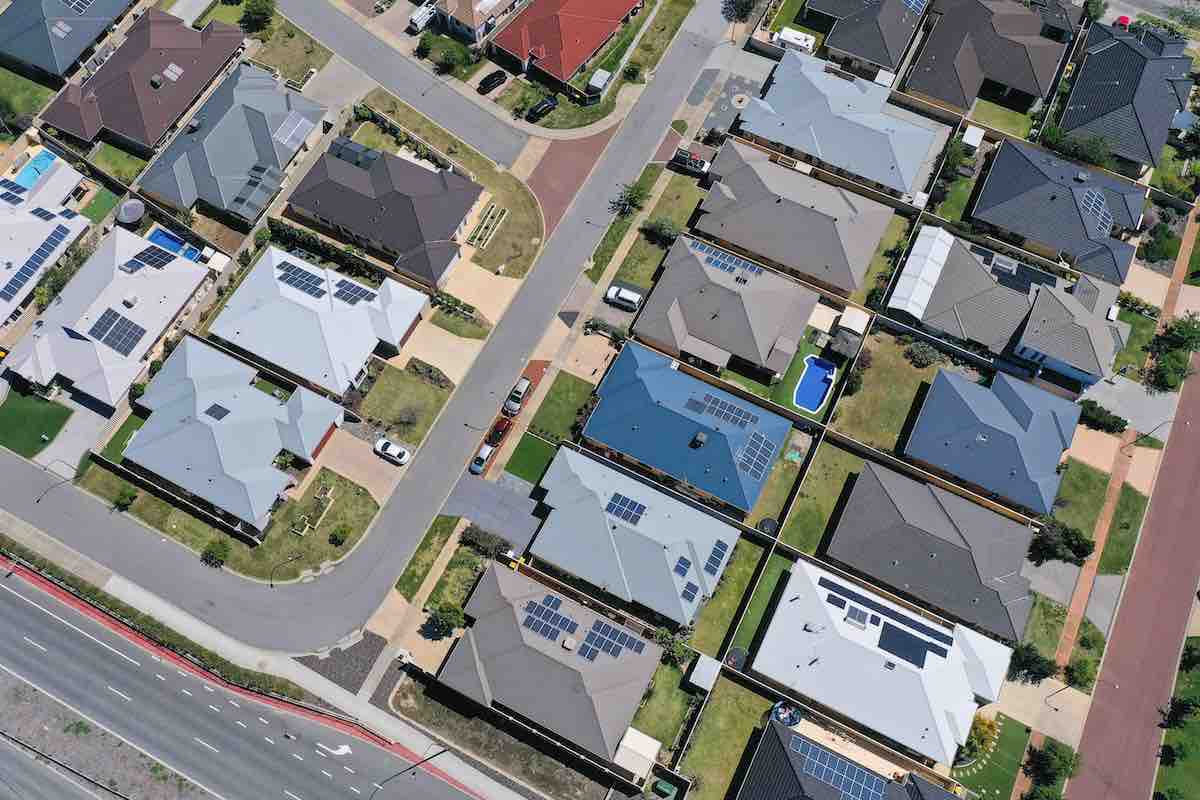
Just when you thought rooftop solar had well and truly passed its peak in Australia, the installation of PV systems on homes and businesses set a stunning new record over the past three months, topping 1 gigawatt of new capacity for the first time ever over a period of just one quarter.
The Clean Energy Regulator’s (CER) Quarterly Carbon Market Report for the April to June quarter shows 1 GW of rooftop solar was installed in the quarter, breaking the previous quarterly record of 942 megawatts (MW) set in Q4 2023.
CER says the new record was most likely given a big nudge by the federal Cheaper Home Batteries scheme, with more than 80 per cent of the rooftop solar systems installed in April installed alongside a battery, in the race to beat the May 01 rebate reductions.
The second quarter of 2026 was also a record stretch for home battery installations, with more than 111,000 approved batteries and 3.6 gigawatt-hours of storage capacity installed from April to the end of June.
And while this record, too, will. have been boosted by April’s record numbers, CER acting chair Carl Binning says demand for Cheaper Home Batteries “has remained robust” since the May 01 rebate changes took effect.
“We’ve now received more than 500,000 battery applications since the program started, which shows the scale of household demand when the economics stack up,” Binning said.
The CER report says the record-setting uptake of consumer energy resources is having a “growing impact” on the broader grid, too, contributing to the “lowest average Q2 grid demand since 2020 and lowering wholesale prices.”
At the other end of the spectrum, large-scale solar investment also hit a record, with 1.8 GW of projects reaching final investment decision in the quarter, the strongest quarterly result since the CER began tracking investment activity.
“The speed of the transition is accelerating. We are seeing ongoing growth and record outcomes across the CER’s administered schemes and markets, from rooftop solar and household batteries to large-scale solar investment and the Australian Carbon Credit Unit (ACCU) market,” he adds.
“Major catalysts include the ongoing development of Capacity Investment Scheme projects, rapidly falling battery storage costs, the Cheaper Home Batteries Program unleashing demand for distributed energy, and growing recognition of the ACCU market’s role in supporting the Safeguard Mechanism.”
Binning says to stand by for more big numbers from the rooftop solar sector, with federal Labor’s recent decision to expand Small-scale Renewable Energy Scheme (SRES) eligibility to systems up to 1 megawatt (MW) coming into play from October.
To join more than 29,000 others and get the latest clean energy news delivered straight to your inbox, for free, click here to subscribe to our free daily newsletter.