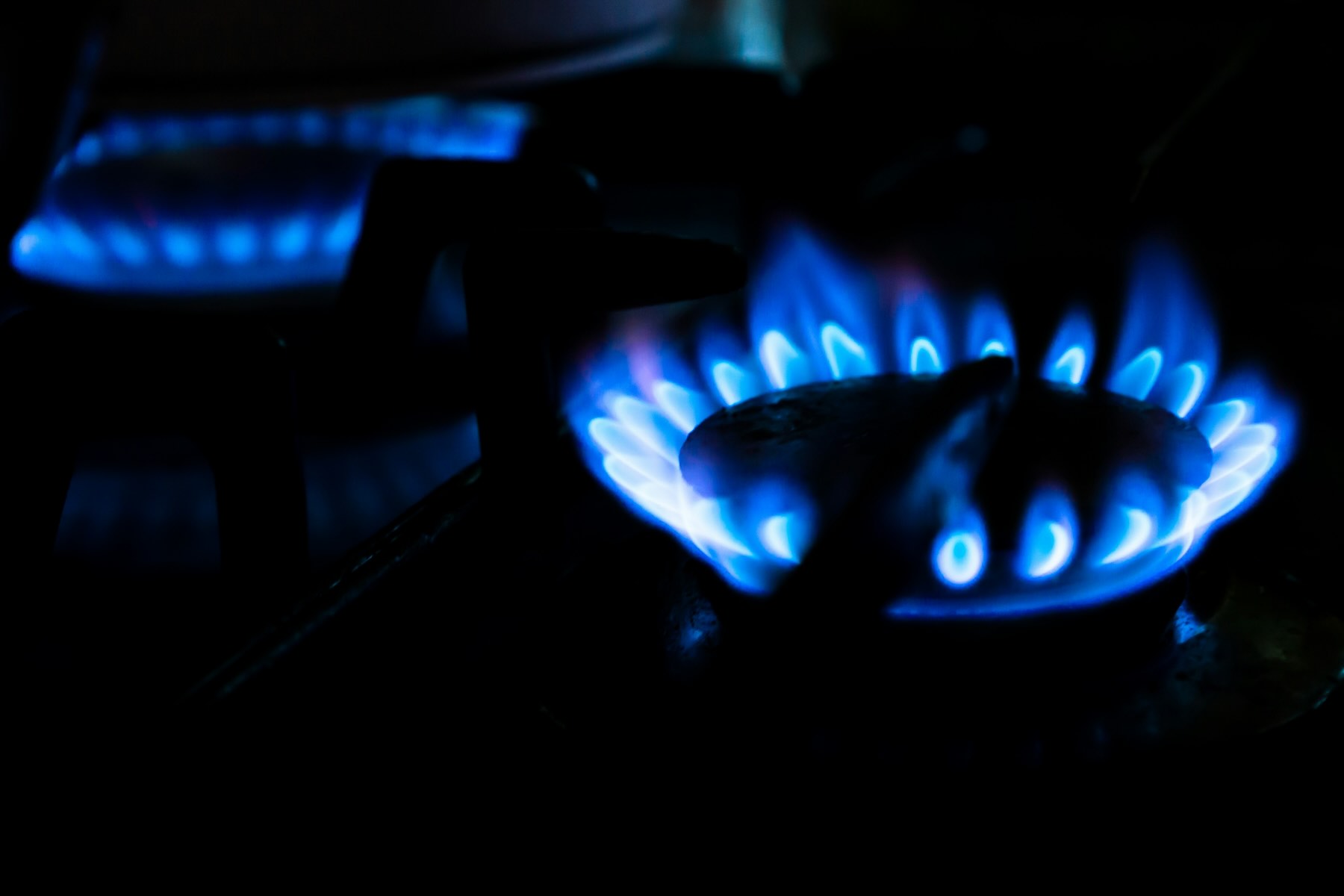
The Western Australian government has intervened in the planned shut down of the fossil gas network in the city of Albany, arguing that a delay is needed to give the community more time to electrify and “navigate the transition.”
Just a few weeks ago, the state government announced $10.8 million to help around 8,000 homes and businesses to transition away from gas as Atco Australia started the three-year process of decommissioning the gas network.
That work was supposed to start in the second half of 2026, but energy minister Amber-Jade Sanderson announced on Tuesday the start of the decommissioning process has been delayed to early 2027, following the minister’s request.
“I wrote to ATCO requesting a delay to the decommissioning process to give locals more time to navigate the transition, and I am pleased that they have agreed to this new timeline,” Sanderson said in a statement.
“These extra months will provide crucial breathing room for families, businesses, and the council to assess the best options for their individual energy needs.
“The Cook Labor Government committed to supporting the Albany community through this process, to ensure the town continues to have reliable, affordable, and sustainable energy options into the future.”
As it stands, it is unclear exactly what alternatives will be available for residents and businesses in Albany.
Some businesses will most likely choose the bottled LPG (liquefied petroleum gas) option so as to continue using gas-fired appliances.
Les Palmer, the owner of Rustlers Steakhouse & Grill in Albany, who told ABC News earlier this year that he’d “love to stay on gas … flames work beautifully,” adding that “changing everything to electric would be astronomical” in cost.
Decommissioning the Albany gas network might be able to take some lessons from a similar process that took place in the WA town of Esperance, nearly 500 kilometres to the east of Albany.
But as Atco’s executive general manager for gas operations, Russell Godsall, also told ABC News, electrification is not a given.
“In Esperance, there was a lot of electrification, but there were also customers that went to LPG because they were on natural gas, they had to convert their appliances, I believe there may have been some level of pipe work alteration as well, and then they put the bottles on,” Godsall said.
Godsall also told ABC News at the time that Atco would work with the LPG industry and state government on a more detailed plan for the decommissioning.
Meanwhile, Sanderson said in a separate statement that more than 20,000 W.A. households had installed home batteries – at a rate of 500 a week – through the combined state and federal rebate scheme.
She noted that batteries installed so far have helped create more than 300 megawatt hours of energy storage – enough to power the daily needs of 15,000 households across the State.
“Working together with grid scale batteries, storage contributed 37.2 per cent of the peak demand on Saturday, 9 May, a new high never seen before on the WA grid,” the minister noted.
If you would like to join more than 29,000 others and get the latest clean energy news delivered straight to your inbox, for free, please click here to subscribe to our free daily newsletter.