A controversial solar project that promises to be the largest in the UK, once built, has been given the green light for development, despite strong local opposition backed by right-wing populist political party Reform UK.
The 800 megawatt (MW) Springwell Solar Farm, proposed for construction in North Kesteven in Lincolnshire, was approved by the UK Labour government last week, making it the 25th nationally significant clean energy project to be approved since the party took office in July 2024.
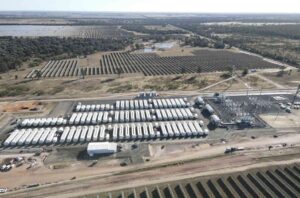
The project, which will generated enough electricity to power 180,000 homes a year – the equivalent of half the homes in Lincolnshire – will also include a battery storage component, though details are scarce as to its eventual size and capacity.
Securing its development consent order (DCO) will enable the project to continue progressing towards construction and follows an extensive consultation with local communities, stakeholders, and statutory bodies that began in November 2024.
“This decision is an important step forward for Springwell Solar Farm. We welcome the Government’s approval following a thorough review of the project,” said Matthew Boulton from EDF Power Solutions, the company developing Springwell alongside Luminous Energy.
“I would like to thank everyone who took part in the public examination process and consultations. As the project moves forward, we remain committed to working collaboratively with local communities and partners to reduce the impacts of construction while delivering long-term benefits for the region.”
The UK’s department for energy security and net zero framed its approval for Springwell as vital amidst the global instability of fossil fuel markets caused by everything from the Russian invasion of Ukraine to America and Israel’s war with Iran.
“We are driving further and faster for clean homegrown power that we control to protect the British people and bring down bills for good,” said Michael Shanks, the UK minister for energy.
“It is crucial we learn the lessons of the conflict in the Middle East – solar is one of the cheapest forms of power available and is how we get off the rollercoaster of international fossil fuel markets and secure our own energy independence.”
Approval comes despite significant local opposition to the project which will be so large as to affect 10 local villages. The Springwell site measures 1,280 hectares, or 3,163 acres, and is described as equivalent in size to approximately 1,700 football (soccer) pitches.
Complaints offered up by opponents to the project range from the loss of potential farmland, the impact on the landscape, and the safety of lithium-ion batteries.
Marc Williams, a member of the Springwell Solar Action Group, told the BBC that he was “disgusted” at the decision and vowed to “keep fighting this.”
“I’m fuming,” Williams said. “It shows a completely, complete lack of democratic accountability in this country,” adding that energy secretary Ed Milliband had “taken no account of the local views of people and he’s just ridden roughshod across the community and will basically destroy approximately 4,000 acres just in this area alone”.
But the “4,000 acres” number is inaccurate. And of the 3,163 acres actually set aside for the project, only around half will be used for above ground infrastructure, including the solar panels, battery storage, and substation.
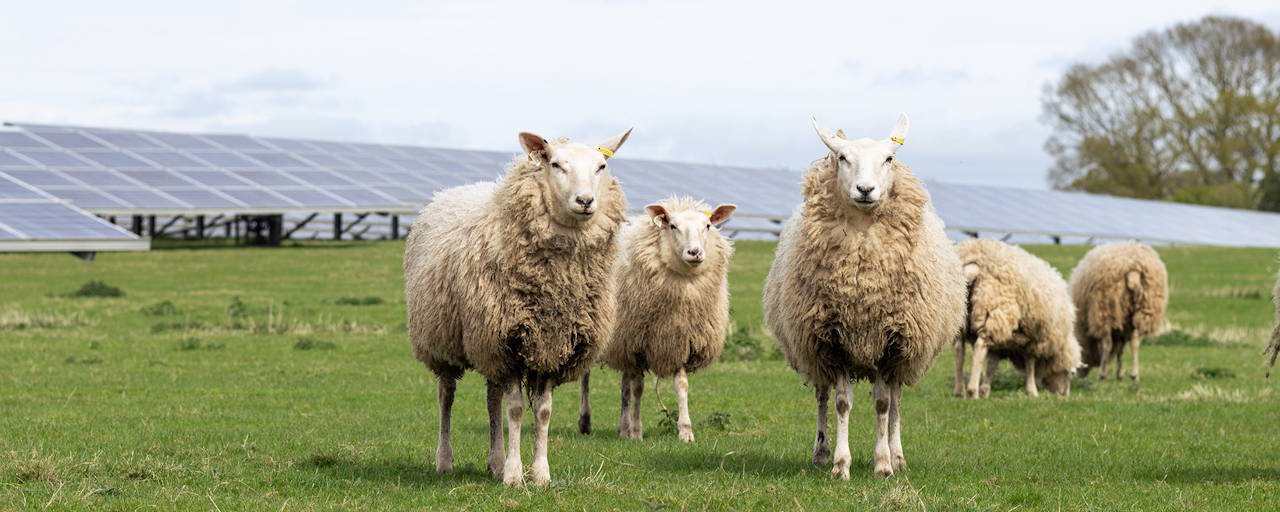
The remaining land will be used to provide recreational, landscaping, and ecological areas, according to the developers, with a significant portion of the land remaining to be used for agricultural production during the project’s lifespan.
EDF Power Solutions’ Matthew Boulton confirmed that, as part of the project’s construction, 12 km of new footpaths will be built, over 15 km worth of new hedgerows will be planted, and a community benefit fund would provide £400 per megawatt of installed capacity to support local projects.
Despite the local benefits, the mayor of Greater Lincolnshire, Dame Andrea Jenkyns, is also opposed to its development, telling the BBC she was “deeply disappointed” about the UK government approval – and that she is considering a legal battle to fight the project’s construction.
Jenkyns, a Reform UK mayor, said she had already held meetings and taken legal advice which is “currently being looked at by barristers who are experts in this field.”
“They will decide whether they feel we’ve got a strong case to take this to a judicial review,” Jenkyns said.
“I’m not going to just step aside with this; I’m going to fight right to the end to try to make sure this doesn’t happen.”
If you would like to join more than 29,000 others and get the latest clean energy news delivered straight to your inbox, for free, please click here to subscribe to our free daily newsletter.