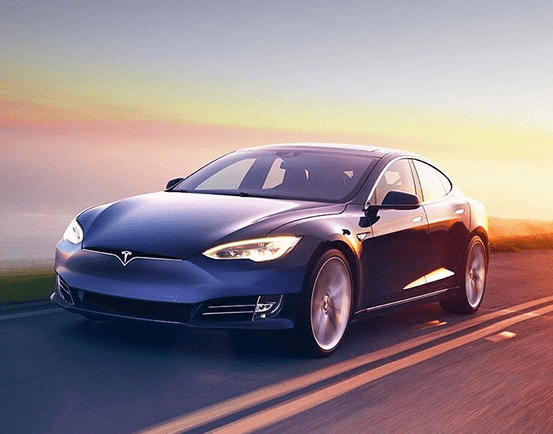
Tesla Motors has unveiled a “cheaper” version of its top-selling Model S electric vehicle, although the price drop in Australia is still not enough to bring it down below $100,000.
The new version offers a 60kWh battery, smaller than other versions, which in turn means a shorter range – but still 400km – and a slightly less than spectacular acceleration of 0-100kmh in 5.8 seconds; and a top speed of 210km/h.
The release of the Model S 60 and 60D follows feedback from potential customers who would like a Model S, but wanted a lower price point.
The new “low price”, as Tesla describes it, will begin at $A108,300 for the all-wheel drive option, plus on road costs and taxes, which in some states in Australia add up to more than $10,000.
According to Cleantechnica, the Model S 60 was on sale last year, but the company chose to focus on the longer range Model S 75, all the way up to Model S 90.
The top of the range P90D, which will get you to 100km/h in just 3.3 seconds – or 3 seconds with the “ludicrous” speed button – and with a range of 539km, will cost around $A193,000 in Australia.
The new Model 3, which is expected to give a shorter range of 345km in a slightly smaller vehicle, is likely to be priced at around $US35,000, but it is still not clear how that will translate into Australian dollars.