Victoria will look to the post-2030 national electricity market reforms to support offshore wind, a source of energy supply that will be vital for the state, says Lily D’Ambrosio, the state’s former energy minister.
In an interview with Renew Economy, part of which was published here on Wednesday, D’Ambrosio also signalled the Carroll Labor government would continue to support the electrification of homes – including a ban on new gas connections. Work is also underway on regulating data centres.
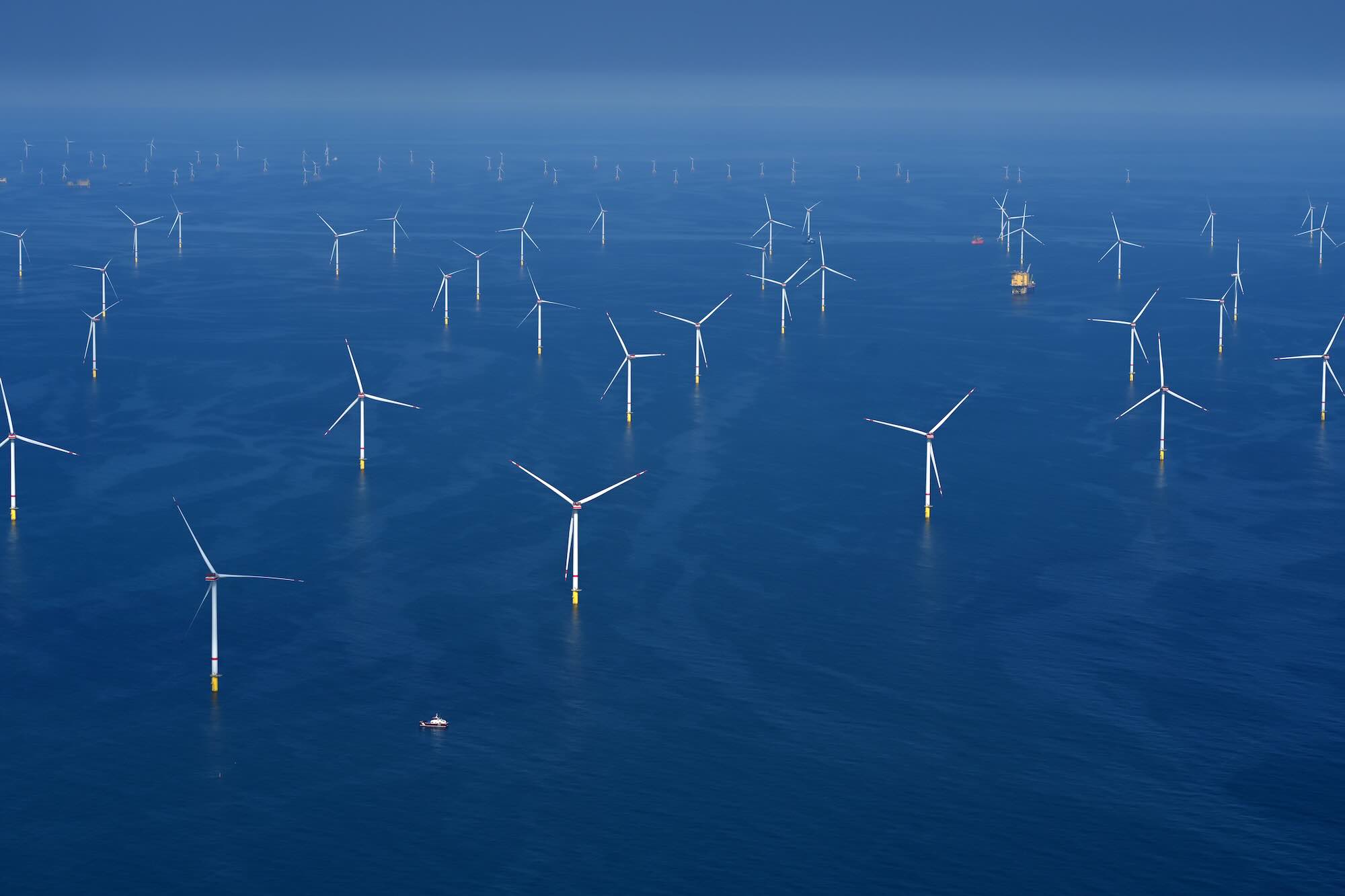
Victoria last week launched its first offshore wind auction, with D’Ambrosio’s successor as energy minister, Jaclyn Symes, overseeing a process for the state’s first two gigawatts (GW) of projects. (Symes took over the role after D’Ambrosio stepped down at the end of July.)
Offshore wind is “not a nice-to-have,” D’Ambrosio said this week. “The fact is, if Victoria does not do offshore wind, we’ll have to do far more onshore development of renewable energy.”

Energy policies are likely to have a prominent role in this November’s state elections.
The Labor government, which is seeking a fourth four-year term, wants to press on with major projects like the VNI-West transmission line in the state’s west, that the Liberal-National coalition and One Nation parties have vowed to scrap.
The offshore wind auction process – Australia’s first – will run for a year, closing in August 2027, with contracts expected to be awarded in 2028. The successful project or projects will then move towards investment, construction and operation.
Shadow minister for energy and emissions reduction, David Davis, said “the Liberals and Nationals are technology agnostic when it comes to new energy generation, including offshore wind.”
“We will back any project that has the support for the community and delivers the affordable and reliable power our state needs,” Davis said.
The Victorian Labor party’s ambitions for offshore wind are steep, with targets aiming for 9 GW of capacity to be built by 2040.
“It’s really exciting now, and there’s a lot of great contenders that are keen to bid into that auction,” D’Ambrosio said. With the process beginning, businesses can start working on the supply chain, creating many job and training opportunities for the Gippsland community, she said.
Victoria has indicated it will look to the post-2030 reform structure for the NEM – known as the Electricity Services Entry Mechanism (ESEM) – to provide an “enduring pathway” for the delivery of that capacity.
“Victoria is very much looking towards [the ESEM to] support not just offshore wind, but other renewable energy projects in this transition,” she told Renew Economy.
“I’m still firmly of the view that Commonwealth governments ought to step up and assist jurisdictions with parts of the transition that stack up and make a lot of sense because everyone benefits from it,” D’Ambrosio said.
“And if you didn’t do offshore wind, you’d have to do a hell of a lot more onshore.”
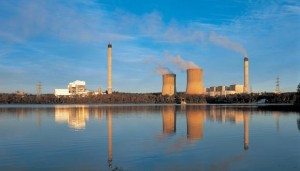
The Latrobe Valley-Gippsland region will continue to be the centre of energy flux in Victoria, with EnergyAustralia’s 1.45 GW Yallourn coal-fired power station due to close in June 2028.
AGL’s Loy Yang A, the state’s biggest power plant at about 2.2 GW, is slated to close by 2035, while Alinta’s 1.2 GW is presently scheduled to run until 2047.
The mine serving both plants, with an annual output of about 30 million tonnes of brown coal, is presently run by AGL, but Alinta has an option to take it over, an Alinta spokesperson said.
D’Ambrosio says the Labor government, including her successor Symes, will have more to say about energy policies, that she doesn’t want to pre-empt.
However, key policies that she has helped to trail-blaze, such as banning new gas connections in homes and supporting electrification, will continue under Labor.
“Yes, they will [continue],” D’Ambrosio said. “The only ones who seem not to have got the memo are the ones who want to lock Victorians into high energy bills for decades, and that’s the gas lobby.”
Staying the course is particularly important when the cost of living remains high on so many households’ agendas, she says.
“How you heat your home, how you cook or how you heat your hot water, it can be more expensive or cheaper depending on the source of the energy that you use,” she said. Electric appliances are increasingly affordable and avoid the use of costly fossil gas.
The Opposition has vowed to scrap policies that limit people’s choice, a spokesperson said.
On data centres, D’Ambrosio says Labor is developing its guidelines for the industry but the announcements will come from ministers. (NSW’s guidelines for the industry can be read here.)
“A lot of work has actually been happening internally for some weeks now,” she said. “Certainly the Victorian government is treating it very seriously.”
To join more than 29,000 others and get the latest clean energy news delivered straight to your inbox, for free, click here to subscribe to our free daily newsletter.