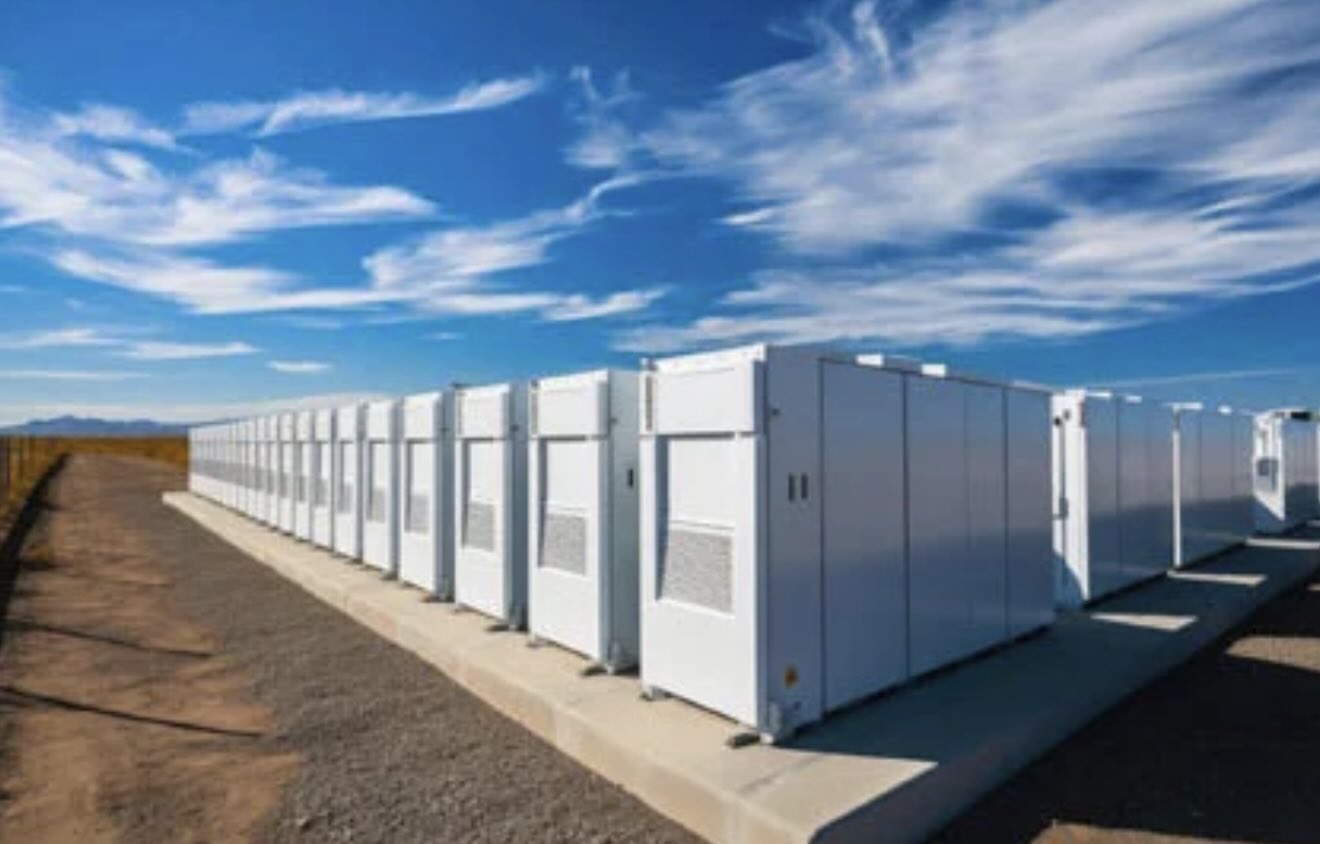
Tasmanian renewables developer Alternate Path is progressing plans for a massive new battery project on the mainland, in Victoria, in the state’s west.
The Murchs Corner project near Darlington was last week referred to the EPBC, proposing a “conceptual capacity” of up to 500 megawatts (MW) and power of up to 2,000 megawatt hours (MWh).
The plan is to connect to the existing 500 kilovolt (kV) Moorabool to Mortlake transmission line that cuts directly through the 13 hectare site.
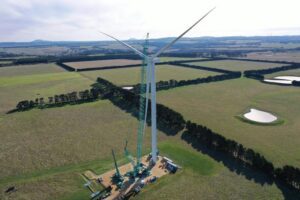
The battery is one of six in the near area and right next to the proposed 325 MW Darlington wind project, which itself is right next to the state-approved 400 MW Mt Fyans wind project.
It’s just metres outside the proposed Victorian South-West renewable energy zone.
On the other side of the state, in Gippsland, Alternate Path is involved with long-time development partner Robert Luxmore Project Management to build the 500 MW Hazelwood solar project and its associated 450 MW, 1800 MWh battery.

In keeping with the developer’s modus operandi of doing landowner-led projects, the Murchs Corner proponents are Bobby and Clive Jamieson, according to the December engagement report included in the EPBC file.
It’s a system that is in tune with a recent call by the Community Power Agency, which wants developers to partner with communities rather than see them as yet another stakeholder to pacify.
The referral says community discussions has already resulted in the footprint of the project being shifted slightly and a new choice of entryway, so construction doesn’t impinge on traffic and views.
An easy decision?
Murchs Creek may also be an easy one for the federal environmental decisionmakers, given the nature of the landscape the battery will be inhabiting.
The farmland is “dominated” by introduced species and has no direct impact on any matters of national environmental significance, and limited indirect consequences, the EPBC referral says.
One endangered ecological community, two plants and three listed animals might occur in the area, and the area is “largely immune to flood”.
The three fauna with potential to be in the area are the Latham’s snipe, white-throated needletail and growling grass frog.
The snipe prefers open freshwater wetlands, but given it’s been seen on the edges of creeks it might appear in the Mt Fyans drain that runs next to the site, the referral said. The white-throated needletail is also a maybe, given it might fly over the area for foraging.
The grass frog, however, might pass through the drain but there is no breeding habitat on the site.
Quick work
The EPBC bureaucrats may leapfrog a state decision on the Victorian planning application, lodged in December last year, based on their current decision-making timeframes.
Over the last year, the time taken for battery projects to go from lodging an EPBC referral to getting a decision has been on average 75 days, according to data from RenewMap.
Removing 10 outliers from the list which saw wait times blow out to 100 days or more – 317 days in the case of Horizon Power’s Broome Future Energy System battery – and that average falls to 60 days.
The decisions are split fairly evenly in half as to whether batteries are controlled or uncontrolled projects, in other words they do or don’t need federal oversight of their environmental plans.
If you would like to join more than 29,000 others and get the latest clean energy news delivered straight to your inbox, for free, please click here to subscribe to our free daily newsletter.