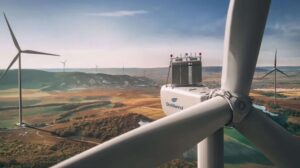
Plans to build what would be Australia’s biggest wind farm in Victoria’s Wimmera region have cleared a major development hurdle, after winning environmental approval from the state Labor government over the weekend.
State planning minister Sonia Kilkenny said on Saturday that she has signed off on the Environment Effects Statement (EES) for the 219-turbine, more than 1.5 gigawatts (GW) Warracknabeal Energy Park, being developed by local outfit WestWind Energy.
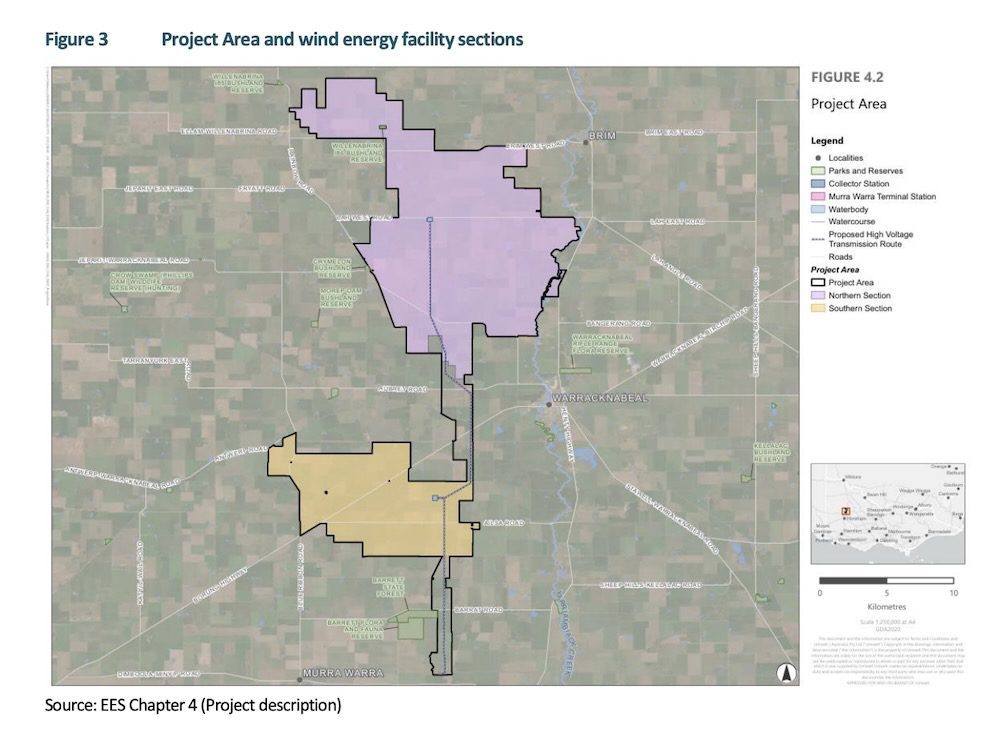
The project proposes to install the 219 turbines on around 26,000 hectares of agricultural land about 5 km to the west of Warracknabeal, across two sites – one 5 km northwest and the other 8 km southwest.
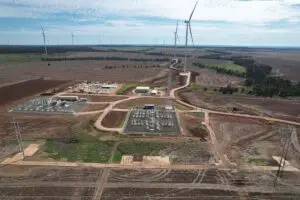
According to documents referred to the EPBC two years ago – the project is still seeking federal environmental approval – the wind farm would be paired with two 300-600 megawatt-hour (MWh) battery energy storage systems (BESS), installed at each of the project’s substations.
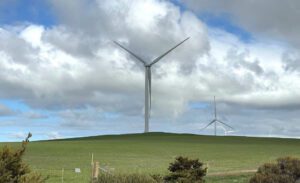
The EPBC documents also say the turbines would have a capacity of between 7-8 megawatts (MW) each, with a maximum tip height of up to 280 metres above ground level and a rotor diameter of up to 200 metres.
In a statement published on Saturday, WestWind Energy said the Victorian government approval marked a “major milestone” for a project it says could supply around 12.5 per cent of the state’s electricity demand.
“Warracknabeal Energy Park is well positioned to contribute meaningfully to Victoria’s renewable energy targets and the broader transformation of the state’s electricity system,” said WestWind Energy managing director, Tobias Geiger.
“Projects of this scale are essential to replacing ageing fossil fuel generation, strengthening energy security and ensuring a reliable, affordable supply of clean energy for Victorians.”
WestWind is the originator of what is currently Australia’s largest wind farm, the 1.3 GW Golden Plains project in Victoria, and is also seeking approvals for a 1.5 GW wind farm and 2,400 MWh battery in south-western New South Wales and developing plans for a 1.5 GW project in northern Queensland.
The state approval for the Warracknabeal Energy Park comes two years after WestWind unveiled plans to install a 100 km transmission line through the central west of Victoria, in a project called Wimmera Renewable Energy Solutions (WiRES).
The WiRES project also proposed a 1 GW battery at the Warracknabeal end of the 220kV line, and had promised to connect up to 4 GW of renewables to the grid at Bulgana.
At the time, WestWind project director Michael Jones told Renew Economy that the core purpose of the transmission plan was to connect renewable energy projects.
“It’s not completely unusual that a developer would do a transmission line and the scale is not unusual, but we happen to be in a patch where it’s very visible,” Jones said.
According to the plans for the Warracknabeal Energy Park, around 34 km of high voltage overhead transmission lines, comprising would need to be built for the project, 21 km of which would be required to connect the wind farm’s Northern and Southern Sections.
Another 13 km of transmission lines would connect the Southern Section of the wind farm to the Murra Warra Terminal Station and the planned Murra Warra to Bulgana transmission line upgrade, the Western Renewables Link.
Geiger says WestWind began engaging with the region and landowners in 2017 and that, following the public exhibition of the EES in 2025, an independent inquiry panel had been convened to consider public submissions on the Energy Park, and public hearings held over a two-month period.
According to the report from the inquiry, the project’s EES received a total of 92 public submissions, including from two local governments – the Horsham and Yarriamiack Councils – and local community, environment and business groups. More than 70 submissions came from individuals.
“We have worked closely with the community over many years to listen, respond and refine the project. That engagement has been critical in shaping a proposal that seeks to balance environmental considerations with regional benefits,” he said.
“WestWind will continue to work closely with state and local government, industry and the community as it advances through the further approvals and the delivery of this project.”
In a separate statement, the state government said the roughly $5 billion project was expected to create almost 950 jobs during construction, with ongoing local jobs once operational.
“This is a major step towards delivering the biggest wind farm in the Southern Hemisphere, right here in Victoria,” minister Kilkenny said on Saturday.
“This rigorous EES process has shown this project can go ahead while meeting Victoria’s environmental standards.”
According to the EPBC documents, the proposed site for the huge wind farm – located within the Yarriambiack Shire and the Western Victoria Renewable Energy Zone – is predominantly flat land, primarily used for intensive land-based agriculture including broad acre cropping for cereals and wheat.
“The land has been substantially modified over time due to the industrial nature of the agricultural operations,” the documents say. “Some remnant native vegetation occurs along roadsides and in isolated patches within private and crown land.”
The documents also note that the region is “dominated by large landholdings” with dwellings “sparsely located across the landscape,” predominantly accommodating landowners or farm workers.
The minister’s assessment – a 108-page document – says that while construction of the Warracknabeal Energy Park is likely to have “some significant environmental impacts,” these can be effectively mitigated or managed.
“The likely impacts for key matters – namely biodiversity, Aboriginal cultural heritage, catchment values and hydrology, landscape and visual values, land use and socioeconomic conditions – are acceptable and can be appropriately mitigated,” Kilkenny says.
“As noted by the Inquiry there are further opportunities to explore reduction and minimisation of likely impacts during the design and operational phases of the Project, which I support.”
If you would like to join more than 29,000 others and get the latest clean energy news delivered straight to your inbox, for free, please click here to subscribe to our free daily newsletter.