Andrew Forrest’s iron ore and emerging green energy giant Fortescue says it is confident that it can build bespoke green grids faster and at lower cost than its competitors, as it continues to eye opportunities for data centres, green ammonia and green steel.
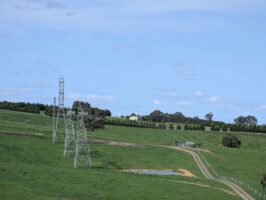
The company is now well on its way to building the country’s first dedicated multi-gigawatt scale green grid in the Pilbara that it says will involve no fossil fuels as it powers its huge iron ore mines and the electric trucks and mining equipment used in them.
It has recently started construction of the 690 megawatt (MW) Turner River solar farm, taking its total solar capacity under construction to more than a gigawatt – meaning it now has more solar under construction than any renewable energy developer in the country.
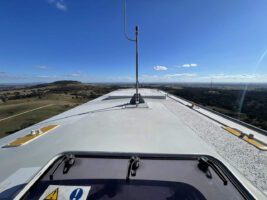
It has also started work on its first wind farm, the 132 MW Nullagine project that will feature the country’s tallest and most powerful turbines, mounted on unique “self lifting” tower technology developed by the Spanish company Nabrawind that it now owns.
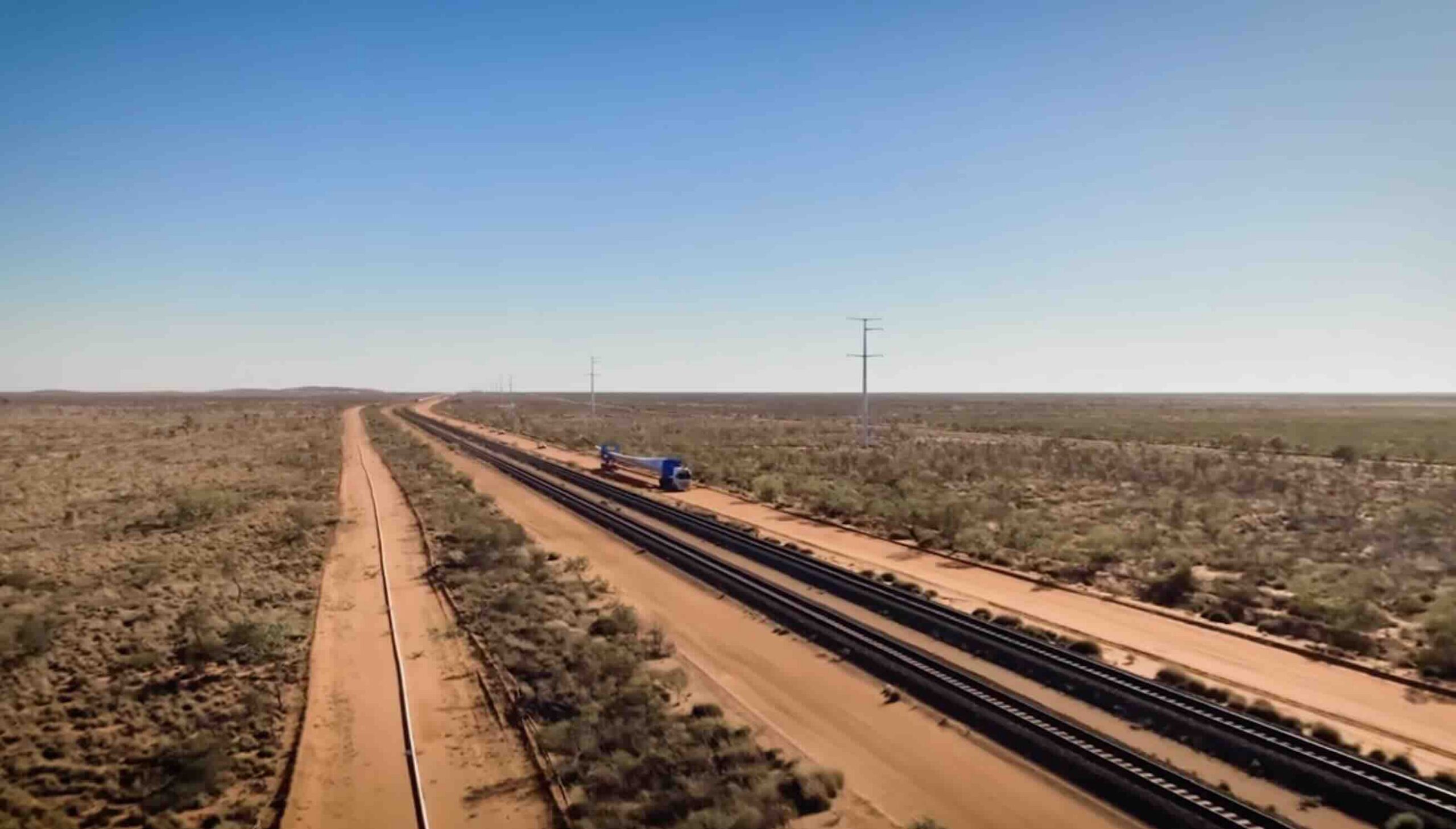
Wind projects in other parts of Australia often have to wait months or more than a year for turbine parts to be delivered, often at great expense and with complex logistics and regulatory restrictions as they negotiate highways and hilly terrain.
Fortescue is doing it at much greater speed. The first of the 7.8 MW Envision turbines being used by Fortescue started arriving on site just a few weeks after leaving their port in China. They arrived in Port Hedland and were quickly transported by road to the Nullagine site in the Pilbara.
Fortescue plans around 1.4 GW of solar and up to nearly a gigawatt of wind, and 4.5 GWh of battery storage to power its Pilbara mining operations as it aims to eliminate fossil fuels by the end of the decade, but it is also spending nearly $1 billion on a bespoke system that can supply third party customers, including data centres.
“We think we can build them faster and cheaper than anyone else,” CEO Dino Otranto told analysts in a briefing on Friday to mark the latest quarterly production report.
“That’s evidenced through decarbonisation investments that we’ve done. We see that model being applied to jurisdictions that Gus (energy and growth chief Gus Pichot) will lead around the world, whether or not the end customer is a data centre or PPA-style agreement, or energy or a green metal mill, or an ammonia plant.
“Again, all that hinges on getting that coast of green electrons down, and we feel very confident that the Pilbara is a good start for that, where you’ve got great sun, wind …. we’ve got thousands of folks that we can deploy to expand our buildout.”
There has been speculation that major tech companies such as Google, Amazon, Microsoft and Amazon have been looking at Australia, and remote regions like the Pilbara, to access low cost electrons, and possibly help avoid some of the social licence issues surrounding major data centres in populated areas.
Bill Gates has reportedly flown to Fortescue’s operations in the Pilbara to discuss some of those possibilities.
Asked about that in the conference call, Otranto said: “There are proponents flying around on helicopters and planes and everything in Australia at the moment that are extremely interested in that capability.”
In an earlier statement, Otranto said
“The green grid will also create opportunities for new industries to grow. We see a real pathway to supply renewable energy beyond our own operations.
“We’ve also started commissioning our Green Metal Project, with first hot metal now imminent. This will be an important proof point for the integration of electric smelting technology into our Pilbara operations, as we work towards commercial-scale production.”
To meet 3rd party green energy demand, Fortescue will need a change to the Mining Act to allow them to sell power to non-mining third party customers. The company, however, is hoping that will not be an issue and is talking to government representatives about changes to the act.
To join more than 29,000 others and get the latest clean energy news delivered straight to your inbox, for free, click here to subscribe to our free daily newsletter.