The Australian Energy Market Commission has answered the call of the South Australia government and granted a temporary rule change allowing two mothballed diesel generators to be used as emergency back-up power sources in the remaining summer months.
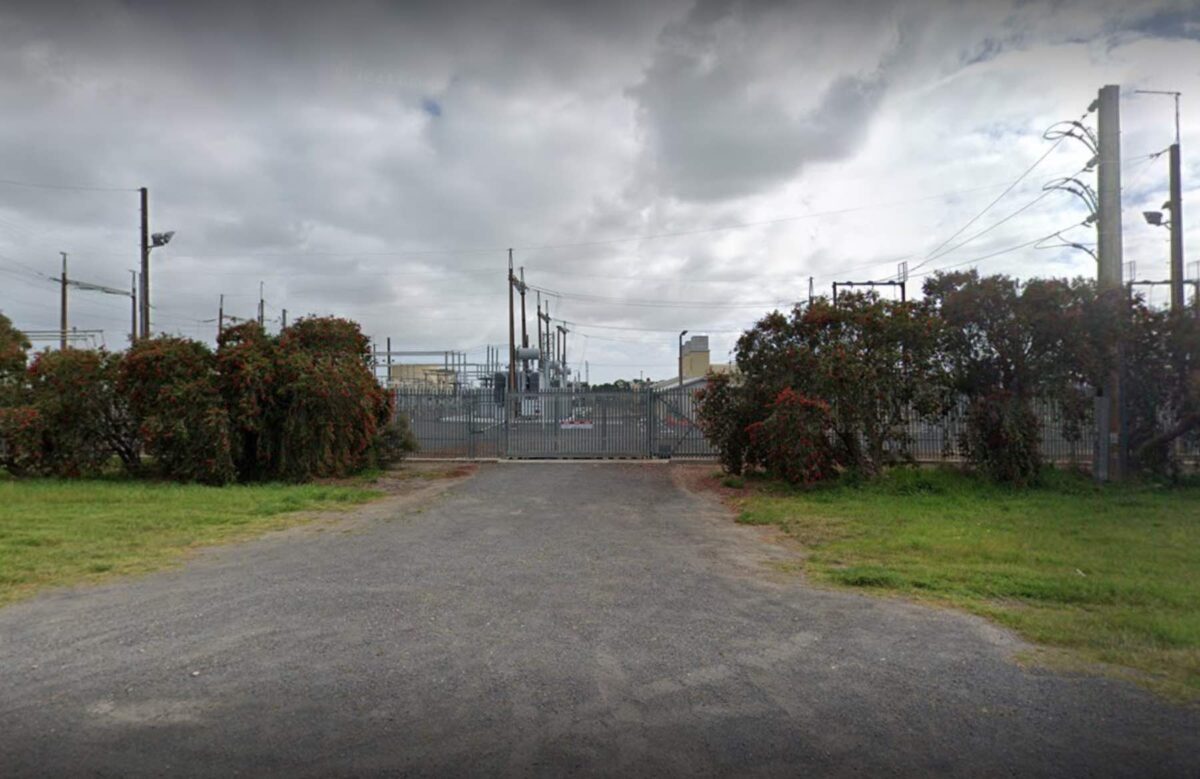
French owned utility Engie flagged last year that it was mothballing its 75 MW Port Lincon and 63 MW Snuggery diesel generator ahead of an expected final exit in 2028 because they are no longer profitable, squeezed out of South Australia’s majority renewables market by more flexible battery storage.
But state energy minister Tom Koutsantonis made an appeal to the market rule maker in November last year to keep them on standby – at least for the coming two summers as part of a reserve trader mechanism, to meet summer demand and compensate for a lack of demand side options.
In his letter to the AEMC, Koutsantonis argued that the two generators would only be required in an LOR3 (lack of reserve 3) type situation when load shedding was the only other option.
He said that in these circumstances, the market price would likely be at the market cap of $17,500/MWh, so the use of these diesel generators would not distort the market and may free up capacity for other uses.
In a statement issued on Thursday, the AEMC said it agreed, and had thus made a temporary rule change allowing the Australian Energy Market Operator (AEMO) to consider contracting the Snuggery and Port Lincoln power stations as “emergency out-of-market reserves.”
The Commission says the rule, which will end on March 31, 2025, should help prevent potential load shedding during severe cases of reliability shortfalls, particularly during extreme weather events – and thus protect households and businesses from blackouts and/or extreme price spikes.
The AEMC says the the “one-off exemption” was also driven by AEMO’s identification of worsening reliability risks for South Australia this summer – even if the Australian summer is technically half-way over – and insufficient response to the market operator’s tender for emergency reserves.
“While the Commission remains committed to preserving the wholesale market as the primary means of ensuring reliability, this temporary measure is warranted given the unique combination of factors that exist,” the statement says.
“The rule change was processed urgently with one round of stakeholder consultation. No objections were received to using this expedited process.”
As Renew Economy editor Giles Parkinson explains here, the South Australia Labor government has made a number of moves to ensure the majority renewables state has sufficient dispatchable capacity to fill in short and long-term supply shortfalls.
In November, the state proposed a capacity market that would include existing and new gas generators, which the clean energy industry labelled a backward step.
In a statement published late on Thursday, Koutsantonis said the government’s “strong intent” was that the safety-net need never be used, adding that it was “simply commonsense to ensure we have every available lever to pull in the event of a gas shortage.”
The minister also said the state had asked Engie to investigate whether it could use synthetic fuels or “green diesel” in the event that the plants did have to be used – a possibility he says the company is currently investigating.
“The state government makes absolutely no apology whatsoever for moving forthrightly to secure appropriate backup generation that ensures there is consistency of supply in the event of a gas shortage,” Koutsantonis said.
“I am glad the AEMC has agreed to our request to grant the South Australian government authority to direct Engie to utilise two currently mothballed power stations at Snuggery and Port Lincoln if required between now and when the long-delayed interconnector to New South Wales comes online.”
The Project Energy Connect transmission link to NSW, now expected to be fully connected in 2027, is also expected to reduce the share of gas in South Australia to minimal levels. But the state is still concerned about wind droughts in autumn and summer, and also having enough capacity to respond to summer heatwaves.
Another big frustration to the progress of the state’s energy transition has been the lack of demand-side participation in the market. It is hoped that an independent panel led by Tim Nelson will finally look at both sides of the energy equation, and help unlock consumer resources as well as the high cost assets of the big utility players.