As David Leitch pointed out recently, the electricity challenge for data centre service reliability occurs only occasionally, for up to 96 hours, when overall electricity demand is high and variable renewable generation is low.
But what drives most of the demand that creates this problem?
It’s high building space heating demand combined with low efficiency of heating equipment in extreme weather. Heat pump efficiency declines with increasing temperature difference. Inefficient appliances operated at critical times don’t help.
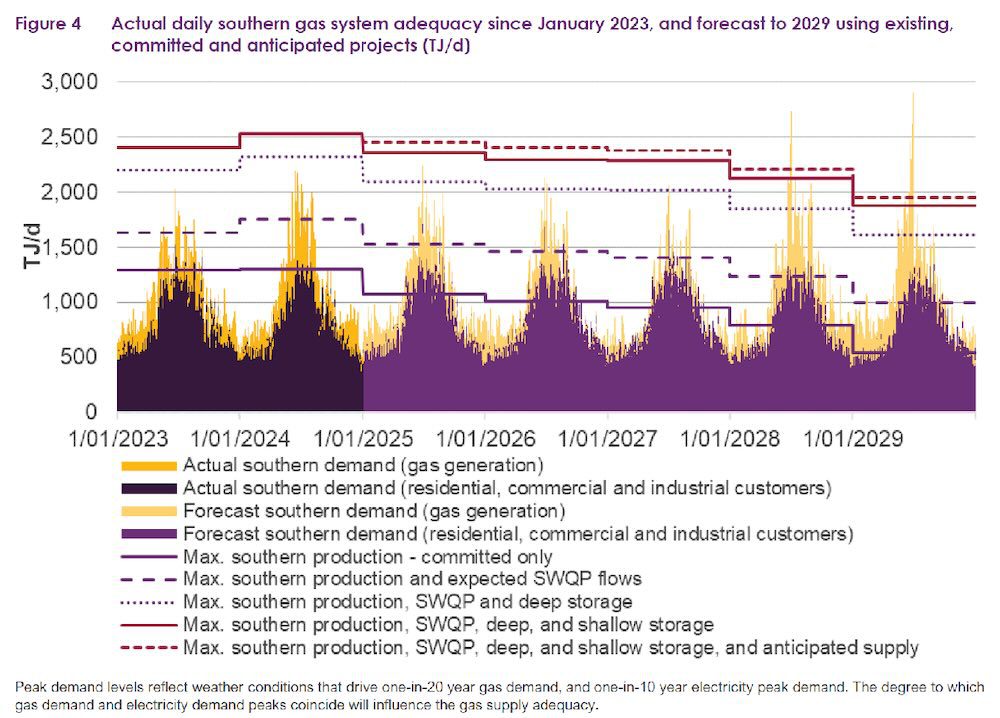
Source: Australian Energy Market Operator, 2025 Gas Statement of Opportunities
My rough analysis shows Victorian gas consumption increases by around 60 petajoules per day for each degree colder the temperature.
The situation is complicated by gas-fired generation: AEMO data, shown above, shows the spikes in extreme weather for gas-fired electricity, as well as direct gas consumption.
AEMO’s 2025 Gas Statement of Opportunities expects spikes in winter demand for gas fired electricity to increase. This may be damped down by growth in battery storage, but a fundamental driver is availability of variable renewables.
Residential and commercial electricity demand and daily gas demand spikes in extreme weather conditions, and is more critical in winter extremes when solar generation can be low.
While, on average, winter temperatures are moderating due to climate change, extremes will probably still occur – less frequently, as we are ‘energising weather’. Note the big hailstones and strong winds combined with heavier rainfall.
I have been advocating for many years that high peak residential and commercial consumers be targeted for assistance to cut their peak demand.
These consumers have very high energy bills and a significant proportion of them are vulnerable households and renters. They could gain multiple benefits, as documented by numerous International Energy Agency and other studies, spend less of HVAC equipment, and be more resilient in extreme weather.
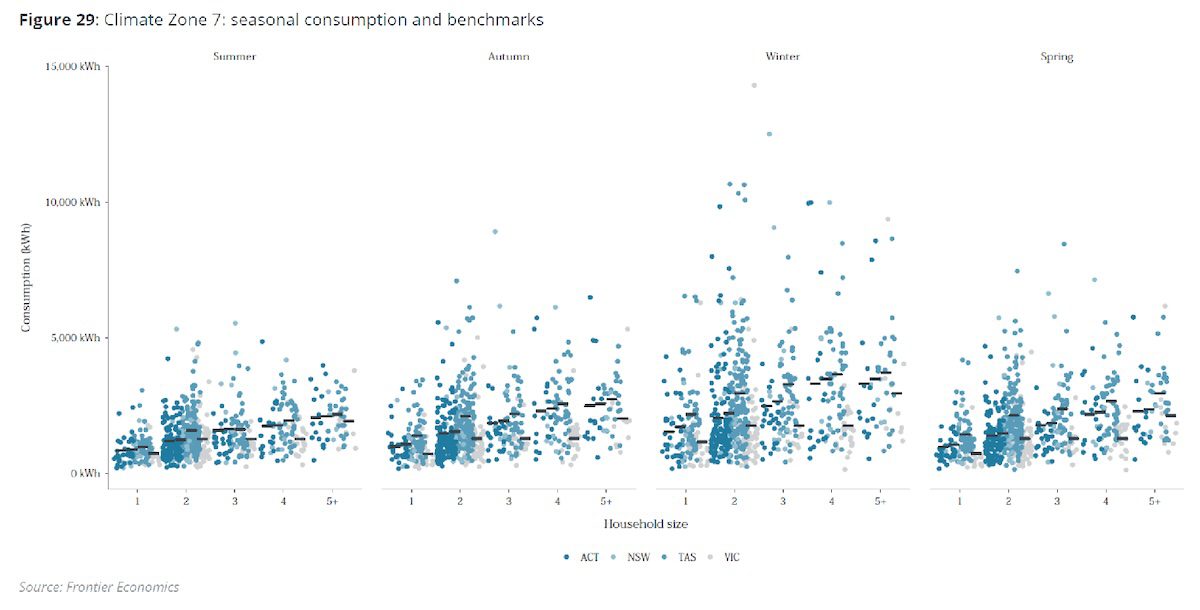
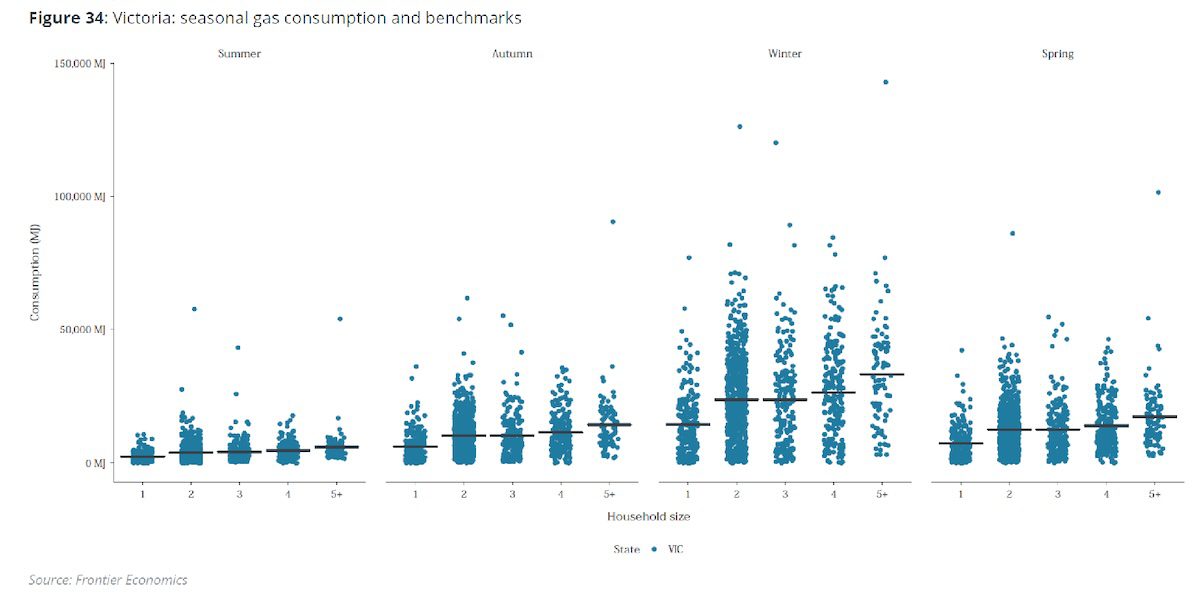
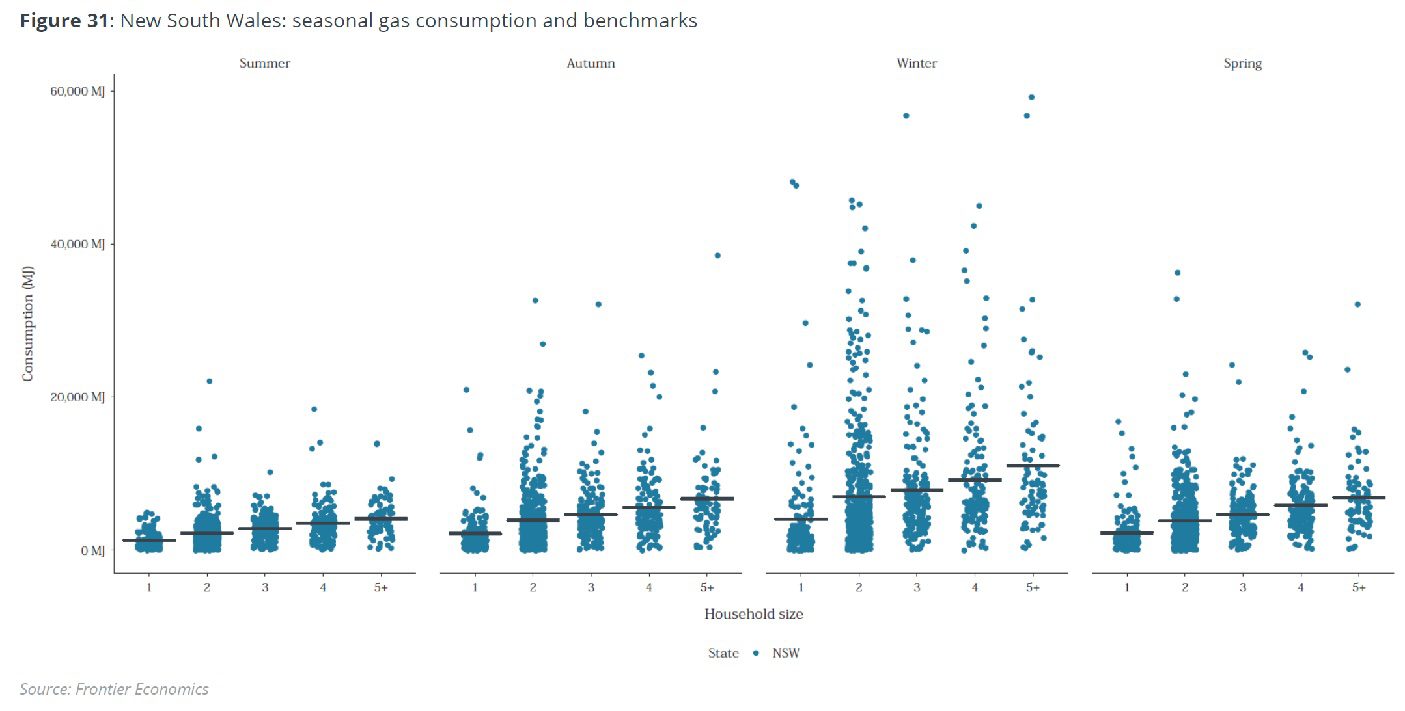
The graphs below show the distribution of residential electricity and gas bills. My article in Ecolibrium in 2025 showed, for a sample of 60 Sydney office buildings, an enormous variation in peak electricity consumption.
Energy retailers know exactly who these consumers are, and they have ongoing relationships with them through energy billing. 2020 billing data from the Frontier Economics survey for the Australian Energy Regulator show the distribution of residential bills.
Confidentiality requirements mean governments don’t know who they are. Energy retailers do, and they have ongoing financial relationships with them. Network operators also know where they are but I don’t know that they have direct billing relationships.
Governments can intervene with incentives and regulations.
It’s not rocket science.
Colder climate residential electricity bills (source Frontier Economics, 2020)
Victorian and NSW residential gas bills (source, Frontier Economics 2020)
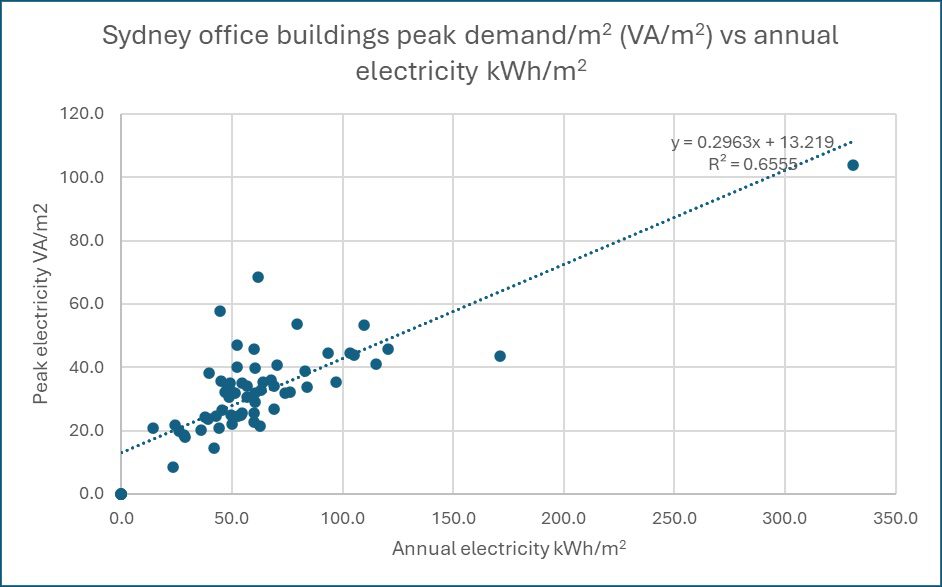
The graph shows base building electricity consumption for a sample of 60 buildings, provided by Buildings Alive.
Source: Alan Pears Peak Powers Ecolibrium Autumn 2027 Vol 24.1 Australian Institute of Refrigeration Air Conditioning and Heating