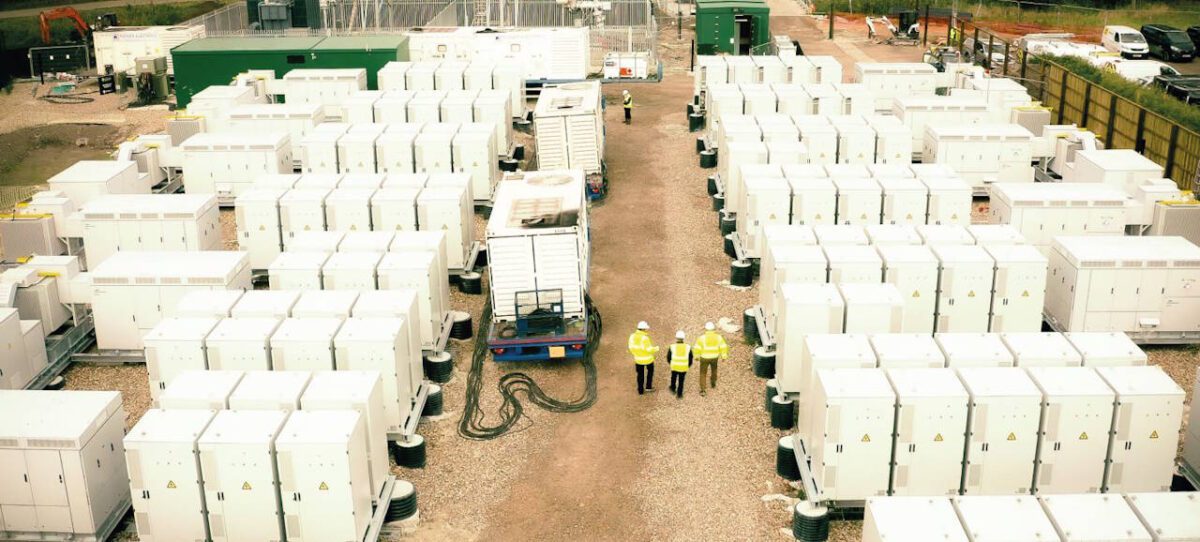
The Victorian government has panning approval for a contested big battery project in the Kiewa Valley, proposed by Chinese solar and battery giant Trina, during a visit by the state premier Jacinta Allen to China.
The approval has been given to the 500 MW, 1,000 MWh Kiewa Valley battery, located just shy of two kilometres from the Dederang Terminal Station in Dederang, in the Kiewa Valley, and not far from another newly approved but also contested battery project put forward by Mint Renewables.
The $453 million Kiewa Valley battery was put into the state planning process by Trina in late 2024 and was fast-tracked through the Labor government’s Development Facilitation Program (DFP).
So far the program has fast-tracked over 19 renewable and storage projects worth around $5 billion, including the 200MW/400MWh Dedarang BESS being developed by Mint Renewables.
“We’re fast-tracking decisions on renewable energy projects like this one to provide cheaper, cleaner energy for more Victorians,” state planning minister Sonya Kilkenny said in a statement.
Both the Kiewa Valley and Dedarang batteries have come up against significant opposition from locals in the Alpine Shire Council, which voted not to endorse the Dedarang project at the end of February earlier this year during a meeting attended by over 200 locals.
According to opponents of the project, Mint Renewables had not provided enough information on a variety of issues, including bushfire risk management and economic benefits. Trina had been accused also of not providing sufficient information.
The ABC on Tuesday reported that some locals had voiced their frustration at the state government approval.
The Victorian government’s announcement on Tuesday approving construction of Trina’ Solar’s Kiewa Valley BESS ‘s battery comes with the promise that the decision comes with certain conditions requiring the project to manage bushfire risk, noise, and visual impacts.
Want the latest clean energy news delivered straight to your inbox? Join more than 26,000 others and subscribe to our free daily newsletter.