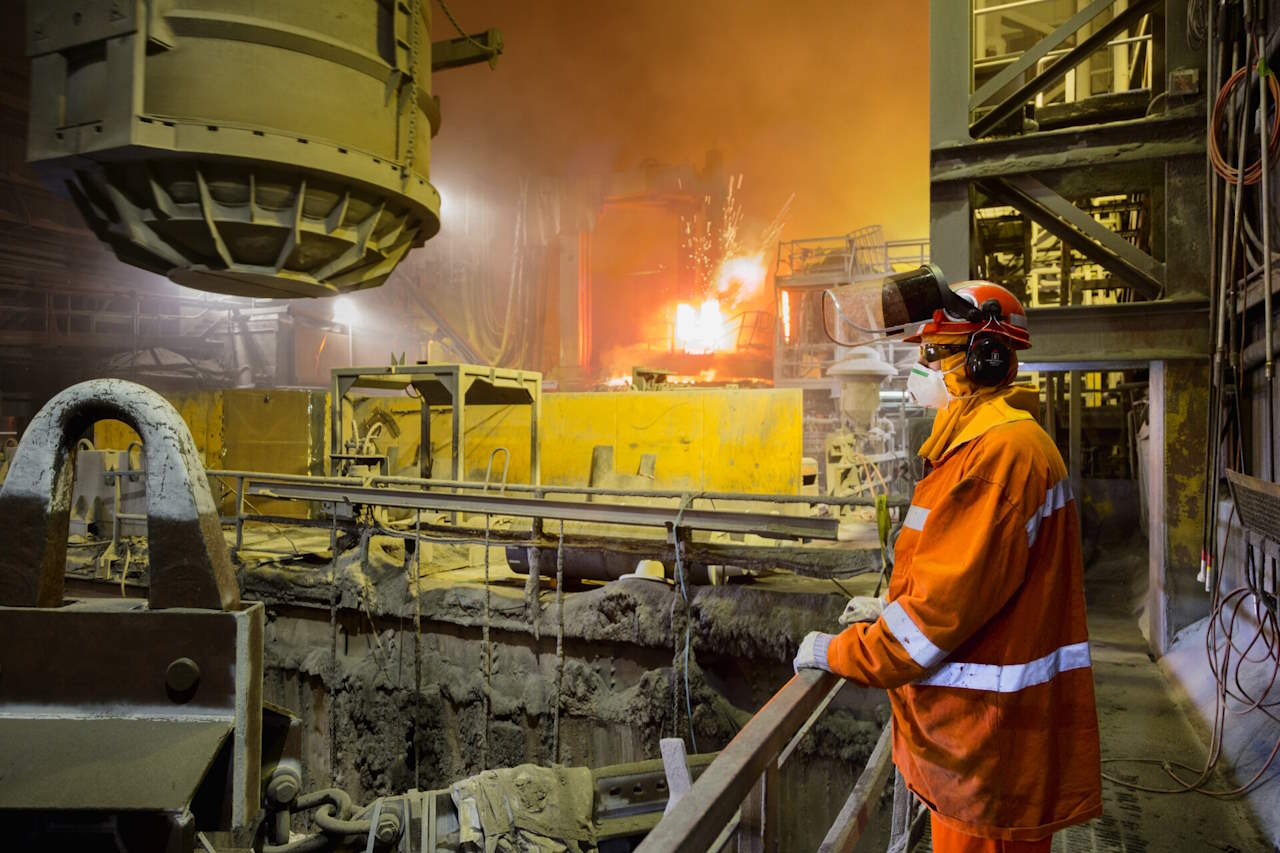
Rio Tinto has secured another year of cheap-enough power for its Bell Bay aluminium smelter in Tasmania, after the state government extended its electricity contract for another year.
The in-principle deal is a lifeline as the current 10-year contract expires at the end of this year. The mining giant has been in talks for more than 18 months with state-owned Hydro Tasmania over a new electricity contract, but neither have been able to agree on price.
The electricity company’s CEO Rachel Watson has previously said they cannot offer uncommercial terms.
While the state government has given both parties extra time to come to terms, it clearly expects Hydro Tasmania to secure those commercial terms – and for the federal government to step in to cover the gap.
Tasmania energy minister Nick Duigan says he expects a “competitive, commercial energy price consistent with [Hydro Tasmania’s Charter obligations”, and for the federal government to subsidise the gap between what Rio Tinto wants and what the state hydro operator is prepared to give.
“As we have seen across the country, federal government support is necessary to provide the smelter with a sustainable operating trajectory, when coupled with a new long-term energy arrangement with Hydro Tasmania,” he said in a statement.
“It would be a perverse outcome for the federal funding arrangements to exclude the nation’s principal green aluminium smelter.”
A Rio Tinto spokesperson says the extension will “ensure continued safe and stable production” at the smelter, but also gives them time to see whether the $2 billion federal Green Aluminium Production Credit program will include the Bell Bay smelter, given it already runs on green energy.
Too big to fail
Complicating any deal is the smelter’s role as a big employer of some 550 people and as stabiliser in the Tasmania energy system, as it uses about a third of the state’s total electricity generation, while also running at a loss.
In 2024 the collective loss across all of the subsidiaries that run the Bell Bay smelter was $18.5 million, and $35 million in 2023.
Rising electricity costs have been a problem for industry and householders for a number of years.
Promises that renewable energy will lower these rates have been defied by price spikes caused by high coal and gas prices and faulty, ageing coal power stations going offline.
The other issue is rising network charges. Tasmania in particular is set to experience some major jumps in the coming years as the $5 billion Marinus Link interconnector adds at least $140 a year to small business power bills, and “very large” increases for major industrials, like the Bell Bay smelter.
Smelters on the edge
The Bell Bay negotiations may create a precedent for one of Rio Tinto’s other aluminum smelters for which it’s also seeking subsidies.
It has threatened to close the Tomago Aluminium smelter in New South Wales, which employs 1000 people and is the largest in Australia, saying high energy costs are forcing it to consider shuttering operations when current electricity supply contracts expire in 2028.
But the mining giant has also proved that it can look after its own interests, in circumstances where it already owns the means of electricity supply.
In October, the company said it is considering bringing forward the closure of Queensland’s biggest coal power station to 2029, when power contracts for its Boyne smelter and Yarwun and Queensland alumina refineries expire.
Rio Tinto is the majority owner of the 1,680 megawatt (MW) plant in Gladstone, but has put in plans to replace all of that supply with renewables and storage from the surrounding areas.
In March this year, it signed a massive solar and battery storage deal with Edify Energy to secure the future of the smelter and refineries, and has previously signed contracts for large scale wind and solar farms, each the biggest of their kind in Australia.
* This article has been updated with comments from Rio Tinto.
If you would like to join more than 27,200 others and get the latest clean energy news delivered straight to your inbox, for free, please click here to subscribe to our free daily newsletter.