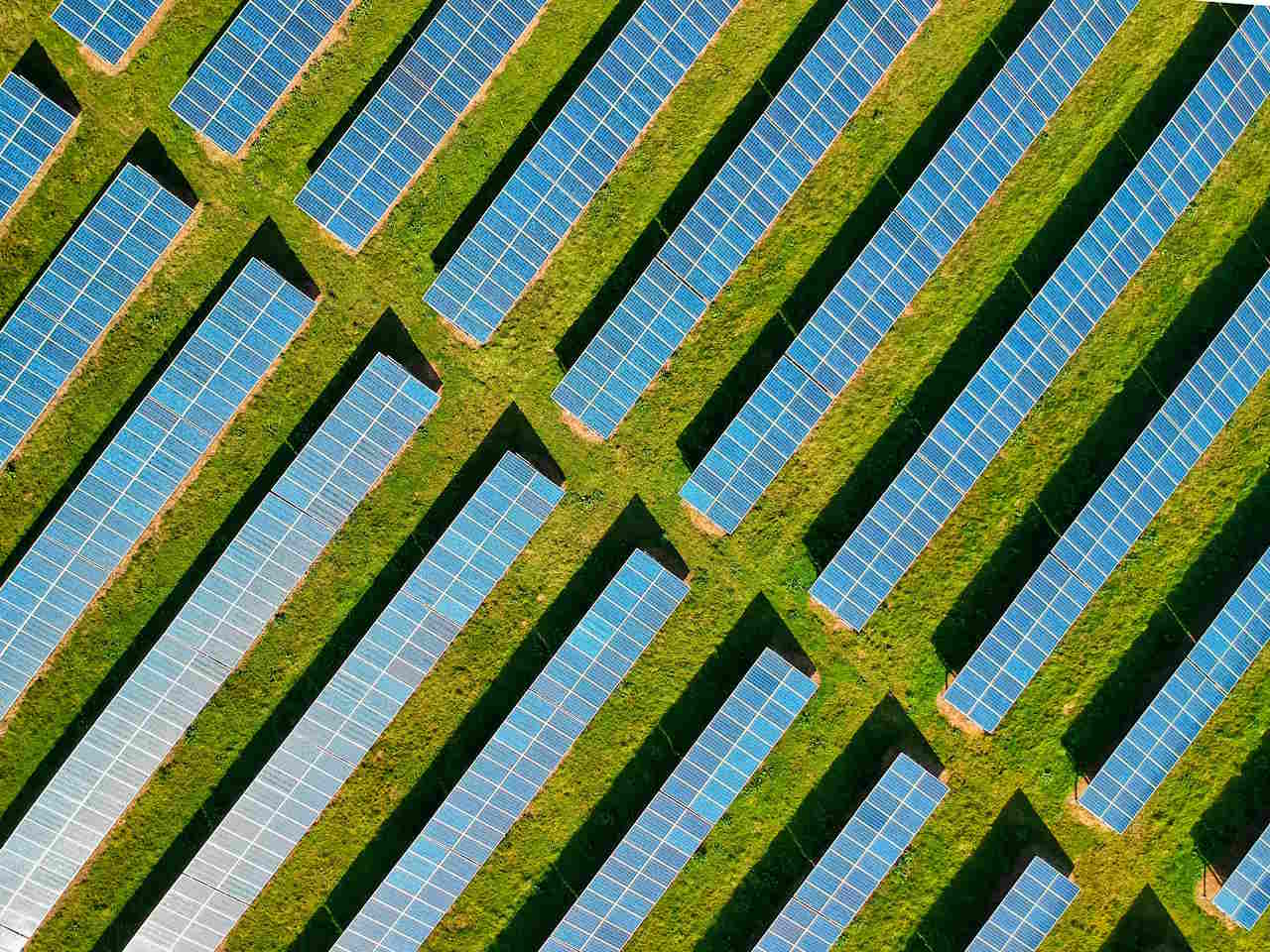
A new analysis has revealed that solar output has soared across Europe during recent heatwaves, helping to power the grid even as electricity demand increased and nuclear output was curtailed.
The new analysis published by global energy think tank Ember found solar output in European countries rose by up to 17 per cent on heatwaves days in June and July.
Europe is currently being ravaged by heatwaves, droughts, and resulting wildfires, causing increased electricity demand and spikes to power prices. However, despite the added strain, Europe’s grids have remained stable, fuelled in large part by what Ember describes as record volumes of solar.
“In June and July 2026, successive heatwaves pushed temperatures above 40°C in many parts of Europe, driving up electricity demand as air conditioning use soared, while disrupting nuclear, gas, coal, and hydropower generation,” Ember reported.

For example, daily electricity demand rose by up to 28 per cent in Italy during the late-June and July heatwaves compared with pre-heatwave days, 23 per cent in Hungary, 14 per cent in France, and 13 per cent in Spain.
However, record solar output during daylight hours has helped cover the increased demand, and the high prices and supply scarcity is “most pronounced in the evenings”, according to Ember, when solar generation begins to decline.
Average daily solar generation during the heatwaves was 17 per cent higher in France and Hungary, and 5 per cent higher in Spain.
Conversely, the extreme heat and drought have continued to squeeze nuclear, gas, and coal power supply across Europe. Data shows the very conditions that are increasing energy demand across Europe are also responsible for reducing the efficiency and efficacy of nuclear and fossil fuel-powered generators.
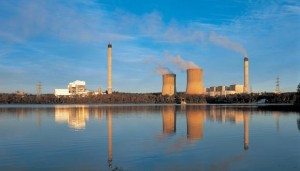
For example, thermal power plants such as nuclear, gas, or coal-fired power stations, are all typically cooled using water drawn from either rivers or seas.
But when the extreme heat raises water temperatures and droughts reduce river levels, these generators lose out twice over, with the availability and effectiveness of cooling water dropping precipitously.
In Hungary and Romania, for instance, record low water levels in the Danube River have reduced output from the countries’ only nuclear power stations, which typically provide around 40 and 15 per cent of their respective electricity generation – a situation which may lead to complete shutdowns of the nuclear reactors.
This has already been seen to happen in Switzerland, which had to temporarily shut down the Beznau nuclear plant in June because river temperatures were too high.
The impact of drought and increased heat on nuclear reactors is a well-documented phenomenon, as recently highlighted by Carbon Brief in France.
During the July 2026 heatwave, three of France’s 57 nuclear reactors had to shut down, with generation being reduced at another seven. This follows reductions in nuclear generation due to heatwaves in 2003, 2006, 2015, 2018, 2019, 2022, and 2025.

Image Credit: Jametlene Reskp on Unsplash
Ember similarly highlighted the effects of recent heatwaves on France’s nuclear fleet, which is currently Europe’s largest nuclear power producer.
Local environmental regulators prevent cooling water from being discharged into rivers above a certain temperature in order to protect aquatic life, meaning that reactors can be forced to shut down when river water exceeds a certain temperature.
Because of this, up to 29 gigawatts (GW), or 23 per cent of France’s nuclear capacity was unavailable on 12 July 2026 in the midst of a heatwave. This is similar to the 30 GW that was unavailable during the summer of 2025, but nowhere near the two-thirds of capacity which went offline in the summer of 2022.
Gas- and coal-fired power generation has similarly suffered, with generation levels reduced or at risk of reduction in the UK, Italy, France, Poland, and Serbia.
According to Ember, droughts plaguing continental Europe have also dropped hydropower to its lowest July level in a decade.
While solar is standing up during increased demand during daylight hours, the lack of demand flexibility across Europe’s power grids is leasing to calls for more battery storage and demand management.
“Solar is already doing heavy lifting during heatwaves, but the real challenge starts after sundown,” said Chris Rosslowe, a senior energy analyst at Ember
“In the evening, when cooling demand is still high, the grid is most exposed to expensive gas-fired power.
“While solar saves the day, battery storage can save the evening. Together, they are one of the clearest ways to make Europe’s power system more resilient in hotter summers. As solar output rises during heatwaves and other power sources struggle, storage can carry that cheap electricity into the evening.”
To join more than 29,000 others and get the latest clean energy news delivered straight to your inbox, for free, click here to subscribe to our free daily newsletter.