Tasmanian photographer Rob Blakers pleaded guilty to trespass on Robbins Island where Acen Australia wants to build a wind project on Monday, after being forced to camp on the island while bird watching.
In June, Blakers planned to walk around the island following the high water mark, the area where members of the public are allowed on any Australian beach, and camp on nearby Wallaby Island.
But the low-lying island was too wet and Blakers says he was forced back onto Robbins Island, where he camped about four metres above the high water mark.
Blakers was arrested, and appeared in the Burnie Magistrates Court on Monday.
The judge accepted Blakers’ guilty plea but recorded no conviction on condition he undertook not to commit any offences punishable by imprisonment for the next six months.
“The public land that surrounds Robbins Island extends up to the mean high tide mark,” Blakers said in a statement.
“The coast of Robbins Island may be legally accessed by walking along the sand, which is what I did in June, whilst observing shorebirds and looking for vulnerable blue-winged parrots and critically endangered orange-bellied parrots.
“These birds forage in salt marsh areas at the very edge of the privately owned land, and across the publicly owned sand flats that surround the island.”
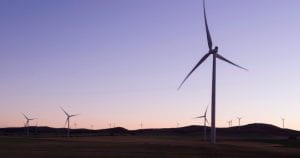
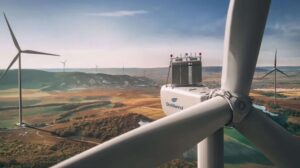
Developer Acen Australia has leased Robbins Island for its contentious 900 megawatt wind project.
Philippine-owned Acen Australia won federal environmental approval for the project on the island in the Bass Strait in August.
But it’s faced a storm of opposition from community and green groups since the project was first proposed, due to its role as a habitat for the critically endangered orange-bellied parrot and other wildlife, including wedge-tailed eagles and Tasmanian devils.
In 2022, the wind project was given approval by Tasmania’s Environment Protection Authority on the condition its 100 turbines shut down for five months a year when the orange-bellied parrot migrates.
In its appeal against the decision, Acen Australia’s lawyer said despite there only being slightly more than 100 orange-bellied parrots in existence, turbine collision deaths wouldn’t have a “statistically significant effect on the survival of the species”.
That decision was overturned and after years of legal challenges and seven EBPC delays, shutdowns are back on the table – but they may be voluntary.
Robbins Island is on the southern end of the East Asian – Australasian Flyway, the Artic-Antarctic highway for migratory birds and people like Blakers are concerned that 100 turbines in the area will create yet another hazard.
“Robbins Island supports more shorebirds than the rest of Tasmania combined,” Blakers said.
“Throughout peak times, the area hosts upwards of 30,000 waterbirds, including more than twenty migratory species that travel tens of thousands of kilometres each year, flocking from Tasmania to their Arctic breeding grounds in April and returning for the southern summer in September.
“Due to the hazards of migration, populations of most of these birds have dropped 80 per cent or more in recent years.”
But it’s the plight of the orange-bellied parrot that troubles those who oppose the Robbins Island wind project, whose total population is in the low hundreds.
The latest update, in June, from the Department of Natural Resources and Environment Tasmania (NRE) showed that 172 were expected to migrate from Tasmania to mainland Victoria this year.
Based on previous return rates, “between 35 and 130 OBPs are expected to return in spring 2025,” the department’s June 4 update said.
Researcher Eric Woelner analysed NRE tracking data from 2024 and found six parrots, or half of the tagged birds, spent time on Robbins Island during the migration period between April and June.
- * This article has been updated with a response from Acen Australia.
Want the latest clean energy news delivered straight to your inbox? Join more than 26,000 others and subscribe to our free daily newsletter.