The length of proposed shutdowns for one of Australia’s most heavily contested wind farms has yet to be decided, according to the federal environment minister, and are likely to be voluntary.
Environment minister Murray Watt granted approval last week to the proposed 900 megawatt wind farm on Robbins Island, despite a storm of protest from environmentalists, including the Bob Brown Foundation.
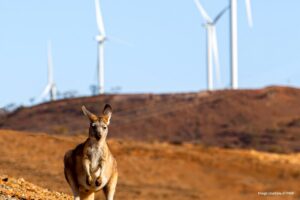
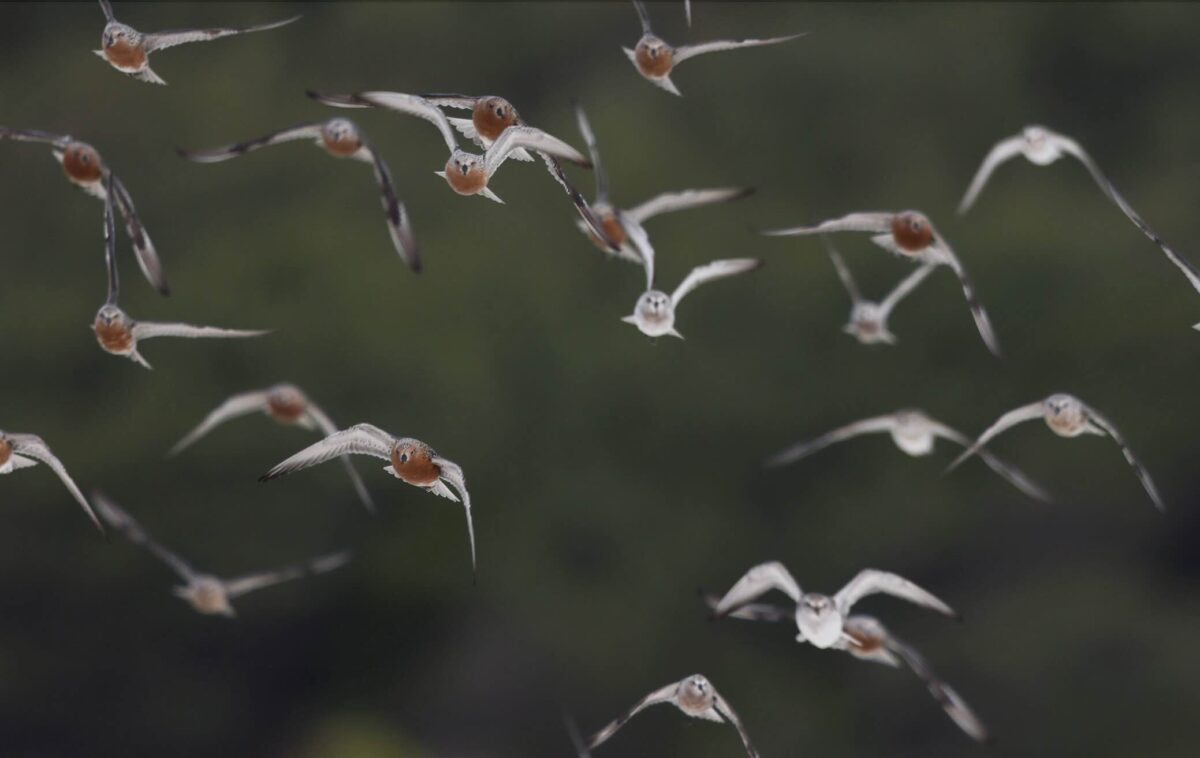
Their concerns are focused on the impact on endangered migratory birds, wedge-tailed eagles and one of the few healthy populations of Tasmania Devils.
What was not widely reported at the time, apart from on Renew Economy, was one of the key conditions of the project approval – shutting down its operations at times when local fauna could be most affected. But the exact parameters of how that might work, and even if there are any shutdowns, are yet to be decided.
The owner and developer of Robbins Island, the Philippine-owned Acen Renewables was told in 2022 by the Tasmania EPA that it would have to shut down its planned 100 or so turbines for five months of each year to accommodate the movements of the Orange-bellied parrot.
Acen said at the time that it meant the project could not proceed, and successfully overturned the ruling. But after successive legal battles and seven EPBC decision delays over the last few years, the shutdowns are now back on the table.
“The Tasmanian Government, when it originally considered it, required a five-month shutdown of that wind farm which the proponent said would make it unviable,” Watt said on Tuesday at a media conference in Brisbane, in response to a question from Renew Economy.
“We’ve chosen to not specify a particular amount of shutdown or even a requirement of a shutdown. What we’ve said … is that the proponent will be required to put in place a bird and bat management plan to ensure that its operations don’t endanger those species.
“It is possible that as part of that plan that a short shutdown would be agreed to by the proponent, but we haven’t sort of set any arbitrary timeframes for that.
“I would not expect that it would be in the order of the five months that the Tasmanian Government originally imposed and was overturned by a court, but all of those discussions are yet to occur.”
In an earlier press conference soon after the announcement, Watt said a shutdown – or temporary pause as he described it – could affect all or some of the project’s planned wind turbines.
“That’s a plan that requires my approval as the Federal Minister, and I can assure you that we’ll be taking any risk of impacts from these turbines on these endangered species very seriously,” he said at the time.
There was also confusion about the proposed construction times for the project. In his media release last week, Watt said that the project would not begin construction until 2031, after several years of studies. It has yet to secure planning approval for a 100 km transmission line.
Acen, on the other hand, announced that it expected to begin generation in 2030. Asked about this on Tuesday, Watt said: “Yeah. So I would probably rely on the proponents’ statements as to the commissioning date and the construction date.”