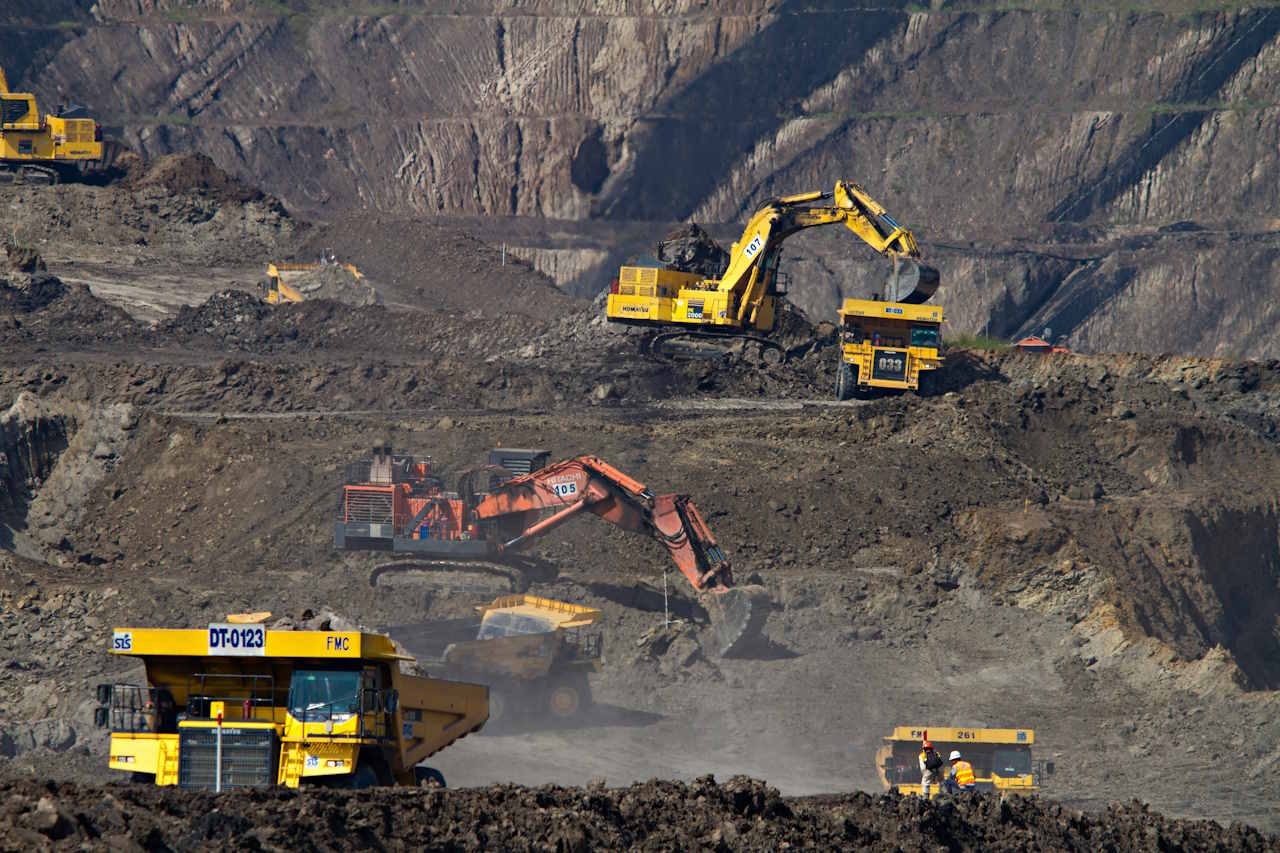
Iron ore mining giant and green energy advocate Fortescue has launched a major public campaign urging government to strip big miners of fossil fuel handouts, saying diesel tax rebates are no longer going to the right people.
Fortescue, which is aiming to reach “real zero” emissions at its mines by 2030, if not earlier, by using renewables and electric transport and mining equipment, says research shows the 18 largest miners receive about a third of the $11 billion in fuel rebates returned to businesses this year.
“We are not talking about small miners, explorers, farmers, truck drivers or tradies,” Fortescue CEO Dino Otranto said in a statement.
“This is about putting a sensible cap on massive tax credits and restoring fairness to the system.”
Otranto says the federal government has adopted a number of good policies that support energy security, but says the diesel rebates it inherited is bad policy that is getting worse.
“It is leaving Australia more dependent on overseas fuel at a time when the world is becoming less stable. It makes no sense to keep subsidising that dependence. Capping the diesel tax handout is a practical step toward restoring energy security and building a fairer, more resilient, self-reliant system.”
Fortescue says the national campaign – which urges a $50 million cap on rebates for big companies – will run on radio and television. A 30-second version of the television advertisement can be viewed here: Fortescue 30.
Fortescue executive chair Andrew Forrest directed the company to lean into electrification six years ago. Now, after investing in electric vehicles and associated generation and transmission infrastructure, it’s looking to be able to run its Pilbara operations for 24-hour periods with no fossil fuels by the end of 2027.
Think tank Climate Energy Finance has led the campaign to turn the diesel tax rebate from a cost to a decarbonisation bonus since it began in earnest last year.
In August last year, a landmark report by CEF showed the federal Fuel Tax Credit (FTC) scheme is now a top 20 budget expense but most of it goes to major local and foreign resources companies.
In FY24, the top 15 diesel users burned nearly 6 billion litres and received $2.9 billion in tax credits.
This year, the total bill for the FTC is $11 billion and that will rise over time, as the 51.6c/litre rebate is linked to inflation and as the mining sector grows.
Climate Energy Finance analyst Matt Pollard expects it to hit $13 billion in 2030.
Pollard instead recommended an alternative transition idea – the big miners can still get their credits over $50 million, provided they make equal or greater investments in decarbonisation.
“This would reform the FTC Scheme into a ‘cap-and-reinvest’ model, turning a headwind to diesel displacement by electrification and decarbonisation into a tailwind,” Pollard wrote in the August report.
“The introduction of the [reinvestment scheme] could have mobilised almost $2.2 billion pa into decarbonisation in FY24 under a federal government revenue-neutral approach.”
With the next federal budget due in just three weeks, the campaign to get the idea on the public radar is ramping up.
Otranto says the rebate “affects every Australian taxpayer” given regular petrol and diesel users will see prices rocket again when the temporary tax excise reprieve lifts on June 30.
“At a time when families are cutting back and small businesses are doing it tough, it is reasonable to ask whether this is the best use of taxpayer money. Clearly, it is not,” he said.
“This is billions of dollars that could be used to lower energy costs for households and businesses right now.
“Instead, it is being handed back to a small number of large companies to keep diesel cheap. That is the wrong use of taxpayer money.”
The Iran war-created fuel crisis is unlikely to motivate politically conservative prime minister Anthony Albanese into changing a fuel subsidy.
But what it has done is fundamentally changed the economics of fossil fuel versus electric vehicles, says Climate Energy Finance director Tim Buckley.
“Diesel prices have gone up by more than the value of the subsidy. So the economics are now aligning with the technology,” he told Renew Economy.
“By definition the cost relativities are now in favour of electrification.”
He pointed to comments by the chairman of SANY Truck, Liang Linhe, reported in the South China Morning Post last week, that the much lower cost of running heavy electric trucks meant all of China’s new heavy fleet will be electric within a decade.