The market for large scale generation certificates – LGCs, the currency that drove investment to meet Australia’s legislated renewable energy targets – have long left centre stage as the price plunged from a peak of around $95/MWh nearly a decade ago to recent prices below $2/MWh.
That fall was not surprising, and even intended, given it was assumed that the 2020 renewable target had been well and truly met, and the only thing keeping the market alive were energy company trading portfolios, speculators, and the occasional burst of corporate demand. Look at us, we are green!
But in the last couple of weeks the LGC market has been particularly active, with the price more than doubling – from just under $2 to $5.50, but still well below a level where it could be useful to get a new wind and solar project off the ground – and sparking lots of speculation on the reasons why.
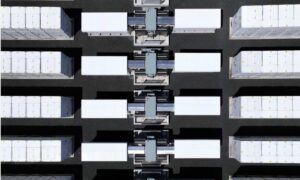
Core Markets, which tracks the LGC and other environmental markets on a daily basis, has pointed to potential interest from or around data centres, particularly in light of the emerging government expectation that they should all be powered by new renewables, and not old coal.
“LGCs remained the centre of attention on Wednesday, with another session of exceptional liquidity and firm pricing across the curve,” it wrote in a market note.
“The sustained increase in both volumes and prices continues to fuel debate around the scale and durability of emerging demand, particularly from data centres.
Buying LGCs and surrendering them to the regulator may not meet the criteria of “bringing your own renewables”, but given the long lead times for projects it is not yet clear what might satisfy governments in the interim.
Buying and surrendering LGCs is used by many corporates to bolster their claimed green credentials. And at a price of just over $5 a certificate, it may appeal as a low cost way to do just that. And it could be that data centres and speculators think it is a low risk option.
Core Markets’ Chris Halliwell notes that the buying interest also comes a week ahead of the release of the final version of the 2026 Integrated System Plan, the latest multi decade blueprint for the grid, speculation about post 2030 environmental markets, and the emergence of the new renewable energy certificate of origin (ReGo).
“People are wondering about what “bring your own renewables” actually looks like, there is speculation about ReGos, and there is enough there for people to buy,” he says. “It’s put a bit of life back in the market.”
The LGC market is expected to disappear at the end of 2030 as the certificates expire, although some in the market still hope that a form of RET is revived.
Many have argued that it would be more effective than the current capacity investment scheme, and its opaque underwriting arrangements, in getting stuff built, but that moment has probably passed.
“It’s gone from $2 to $5. It’s still pretty worthless,” Tristan Edis, from Green Energy Markets, says of the market movements. “(At that price) it’s not much of a subsidy. It won’t get any projects up.”
Edis says buying LGCs could be a low cost way for data centres to burnish their green credentials, but even at the current levels of demand from existing data centres, that would not be enough to soak up the surplus of credits.
“Some data centres boast of sourcing 100 per cent renewables, but we can’t see it. They may be using credits bought overseas,” he says.
If you would like to join more than 29,000 others and get the latest clean energy news delivered straight to your inbox, for free, please click here to subscribe to our free daily newsletter.