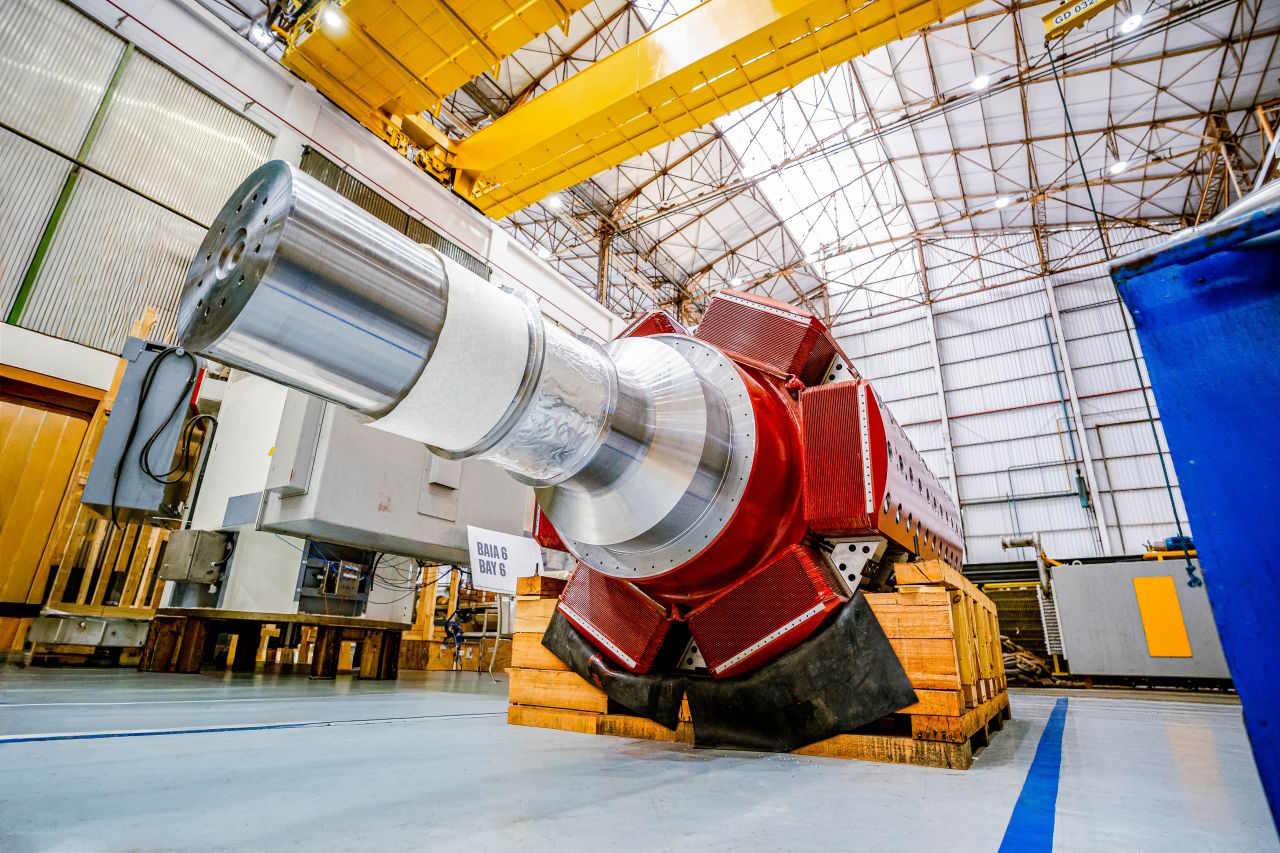
Transmission giant Transgrid says enabling works have begun to prepare for the installation of 10 massive spinning machines know as synchronous condensers across five different sites in New South Wales.
Transgrid signed the contract with US energy giant GE Vernova for the early delivery of 10 synchronous condensers in late 2025, each of which will be used to help stabilise the NSW grid in its transition from coal to renewables.
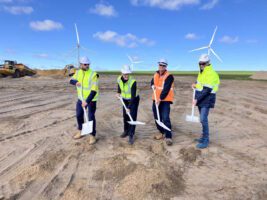
This week, Cimic Group’s UGL was awarded the contract for its Wellington and Darlington Point substations, and CPP to deliver works at the Newcastle, Kemps Creek, and Armidale substations. The work includes concrete foundations for the large machines, cabling, drainage and other works.
Each machine weighs 260 tonnes and are paired with a flywheel weighing an additional 160 tonnes,” Transgrid says. Total concrete volume of over 2,300 m3 is required as foundations for the two units at Transgrid’s Newcastle substation. This will be slightly different at each substation, depending on ground conditions and final designs.
“These are complex civil and building works that we anticipate will take 12 to 14 months at each site,” said Jason Krstanoski, Transgrid Executive general manager of network.
“This work is being carefully sequenced to ensure we will be ready for our supply partner GE Vernova to begin installing the synchronous condensers as soon as they start arriving in Australia, currently expected from mid-2027.”
The syncons are spinning machines that do not burn fuel and are used to provide some of the essential grid services normally provided by coal and gas generators. All ten synchronous condensers are expected to be installed and operational by February 2029.
However, Transgrid has been forced to reduce the numbers of future syncons because of rising costs of the technology and difficulties in obtaining them on time. As a result it will turn to battery grid forming inverters to provide some of the system strength essential to the grid.
Transgrid presented the bill for the total purchase and installation of the ten synchronous condensers earlier this year, which at $1.19 billion was more than double original estimates made four years ago before the company went to market, and just above the top end of its most regulatory filings in late 2025.
To fast track the delivery, Transgrid agreed to purchase 10 smaller syncons rather than five bigger ones in the first phase, while the second phase will be reduced from five to three as a result of the supply constraints and cost rises.
To join more than 29,000 others and get the latest clean energy news delivered straight to your inbox, for free, click here to subscribe to our free daily newsletter.