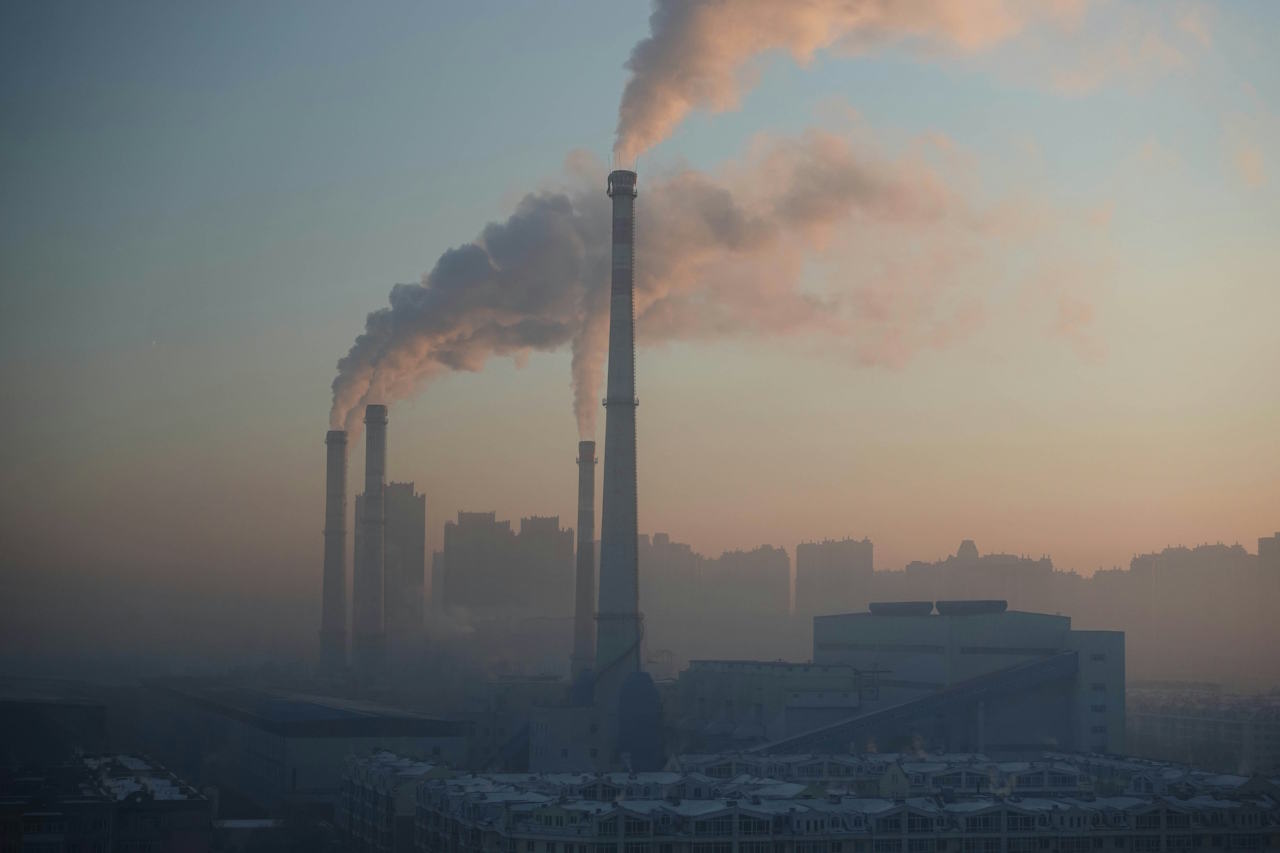
China is currently on track to completely retrofit its coal power fleet from baseload generation to flexibility support by 2027, paving the way for its eventual exit from the country’s power system entirely.
This is the stunning conclusion reached by global energy think tank Ember, which reveals in a new report that China is on track to meet its national target of retrofitting almost its entire existing coal power fleet for flexible operation by 2027.
As China enters the 15th FYP, Ember has found that steady progress over the past five years retrofitting its coal fleet has exceeded the original 2025 target, with 360 gigawatts (GW) of existing coal power capacity retrofitted for flexibility.
Along with new coal units that have been designed with greater operational range, China’s total flexible coal capacity exceeded 600 GW by the end of 2024, and current policy signals indicate that retrofit potential across the existing fleet is on track to be largely realised within the next two years.
A similar transition is happening in Australia, with some of the major coal units getting upgrades – where possible – to flex up to 80 per cent of their rated capacity. Or, in some cases, to be switched off altogether for periods in a strategy known as “two-shifting.”
“Shifting coal towards a flexibility role can fill in the gap in system support needed as renewables expand, while gradually reducing its strategic importance in the bigger picture,” said Biqing Yang, an energy analyst for Ember.
With a population of 1.4 billion in 2025, China’s energy demands are huge, but even so, coal power generation still fell in China in 2025, down 1.6 per cent to 46 terawatt-hours (TWh), according to Carbon Brief.
Coal utilisation has also declined by more than 20 per cent over the past two decades, according to Ember, and, after a brief post-pandemic increase, continues to decline.
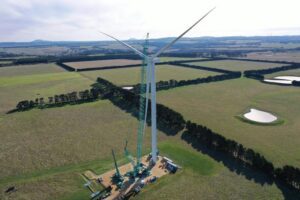
Driven by numerous policy mechanisms at the federal and state levels, China’s coal fleet is increasingly shifting to provide system flexibility and security, rather than baseload power, as wind and solar increase their share of the market.
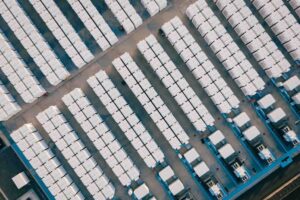
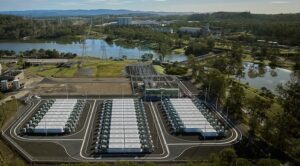
Ember also reportes that by the end of 2025 China had installed 144.7 GW of battery storage, an 85 per cent year-on-year increase.
China’s efforts to deploy battery storage must keep pace with its levels of renewable energy generation, or risk relying too much on coal capacity to fill in the flexibility gap.
Battery storage also provides significantly greater technical performance as a flexibility tool than does coal power, meaning China risks reduced efficiency and locking in emissions if it does not continue to accelerate the deployment of battery storage.
“China’s coal fleet is transitioning from a baseload workhorse to a provider of residual flexibility and system stability,” said Dr Muyi Yang, senior energy analyst for Asia at Ember
“But this shift is only part of a much bigger structural change underway in the power system.
“As power markets become more flexible and battery storage and other clean flexibility solutions scale up, the system will rely less and less on coal to do the balancing. Over time, these changes will offload coal from its flexibility role as well, opening the door for its gradual retreat and a cleaner, more flexible power system.
The full report can be read here.