The difference between the median retail electricity market offer and the lowest offer available to different regions of the national grid could amount to hundreds of dollars in savings a year for residential customers, a new report has found.
The Australian Energy Regulator (AER) late last week published a quarterly retail performance report for the October–December 2025 period, its first since requiring retailers to report new data on different customer segments in the retail energy markets.
The report contains some sobering data – not least of all on the compliance efforts to identify customers affected by hardships and offer them a range of appropriate support options.
But the data on the sometimes vast price variations between the range of retail offers available serves as a stark reminder that, in a market with 52 active retailers, households wishing to cut their energy bills should start by checking if they’re on the best deal for their needs and – if not – switching.
This is something regulators and federal and state governments have been urging customers to do for some time now, and there are handy independent websites set up to make it a relatively easy task to perform – starting with the federal government’s Energy Made Easy website.
But the focus has been on moving a relatively small proportion of people off of the default market offer (DMO) – a catch-all “standing” offer whose price is set each year by regulators to ensure customers aren’t penalised financially for being disengaged.
This is important, too, because the DMO is certainly not the cheapest offer on the market; in fact, rather the opposite. According to the AER report, analysis demonstrates that customers in DMO regions who move from a standing offer to the median market offer can save between 4 per cent in South Australia up to 11 per cent in New South Wales off their electricity bills.
But the AER report also notes that “a typical customer moving from the median market electricity offer to the lowest offer in their distribution region could achieve savings ranging from $200 in Queensland to $420 in South Australia.”

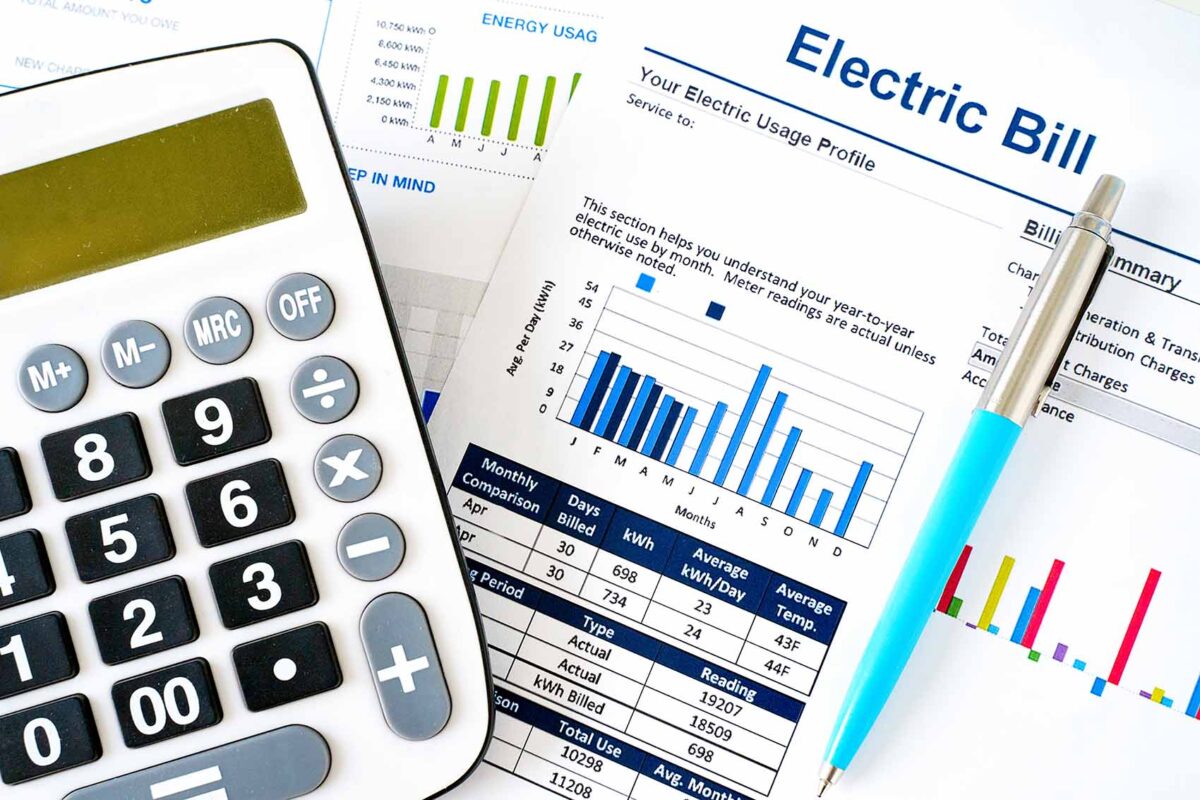
And it’s not as if people aren’t feeling the pinch from their electricity bills. The AER report reveals that the majority (61.4%) of small customer complaints registered by retailers over the quarter were about billing, of which around one-third relate to bill prices.
“This category was significantly higher in the July to September quarter, coinciding with price changes that come into effect from 1 July each year,” the report notes.
That said, the number of small customer complaints “broadly increased” compared with the same quarter last year, the AER says.
Certainly, retailers are not renowned for making it easy for consumers to find the best electricity offer for their needs.
Last year, a “super complaint” alleging “sneaky, confusing energy pricing tactics” by Australian electricity retailers sparked an investigation by the Australian Competition and Consumer Commission, amid concerns consumers are being deliberately misled about which energy plans to choose.
The Choice complaint outlined three “widespread concerning practices” by energy retailers, including prompts to switch better offers that refer to plans that do not appear to be available, or the customer is not eligible for.
One of these practices, the “same name, different price” phenomenon, was further explored in research published by Victoria’s Essential Services Commission, which found that around 360,000 customers in the state were on older, more expensive versions of retail electricity plans that had a cheaper alternative with the same name.
The study found these consumers were missing out on hundreds of dollars in savings – an average of $430 per year – because they are unaware they are on the higher-cost version of a plan.