Key Takeaways
- Two major energy projects, a battery in Queensland and a solar-battery project in NSW, have bypassed federal environmental processes.
- The 500MW Raglan battery storage in Queensland will operate starting April next year, built on land previously used for cattle grazing.
- Samsung’s Romani solar farm in NSW, with a 250MW capacity, targets 2026 for construction start, using existing or new power lines.
Two big battery and solar projects have been given the all clear to skip the federal environment process, but a giant wind farm proposed for Queensland will have to work its way through the approvals process.
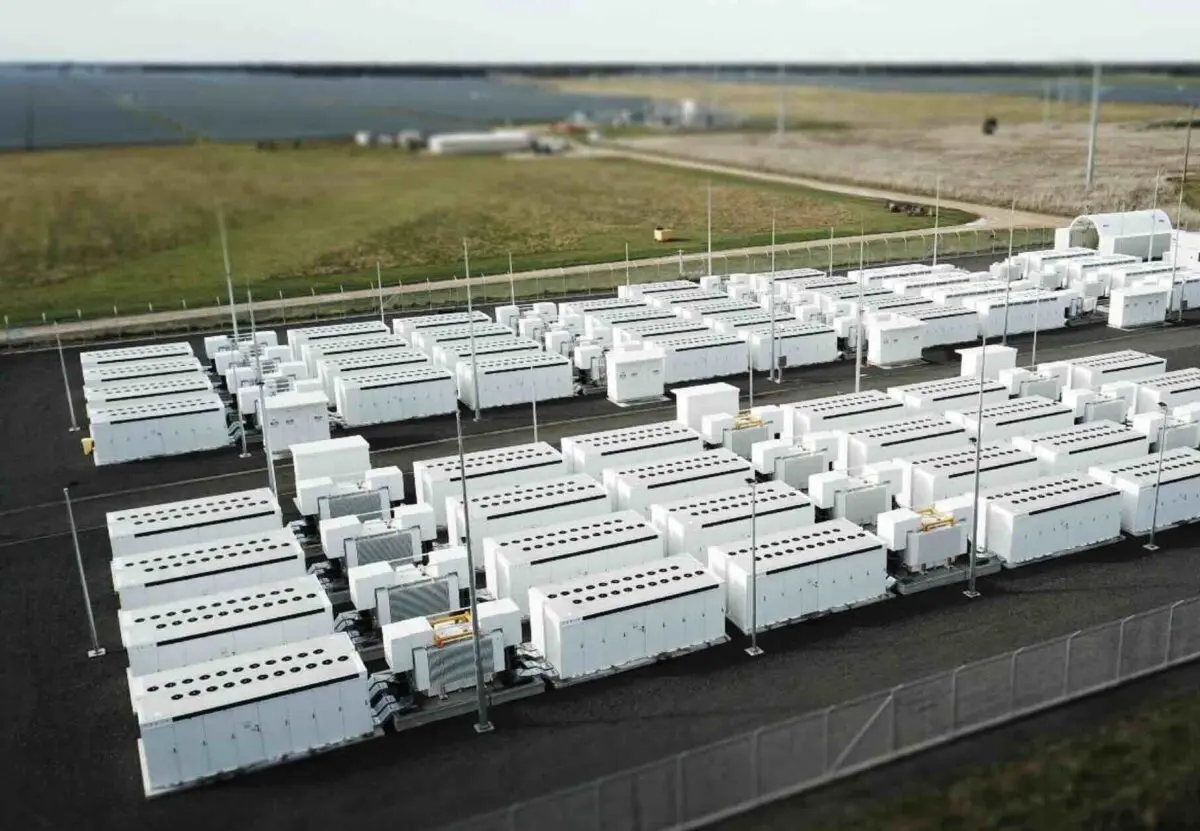
In the past few days the 500 megawatt (MW) Raglan battery energy storage system (BESS), sited between the Queensland towns of Gladstone and Rockhampton, has been told it will not need to go through the EPBC process.
NSW developer Ace Power, which is backed by shareholder and partner Pelion Green Future, wants to build the BESS on a 9.1 hectare piece of land that was being used for cattle grazing and connect to the Raglan substation via underground cables.
Ace Power said it was being proactive about environmental management in referring the project to the EPBC process. Environmental surveys cited one threatened squatter pigeon near the property.
Operations are estimated to start in April next year, although no figures have been given on how much storage the battery will boast.
The site itself has been mainly used for cattle grazing and the total footprint will be 9.1 hectares. Underground power lines will connect it to the grid via the Raglan substation.
Samsung C&T, an offshoot of the giant South Korea conglomerate, has also been told that its proposed Romani solar farm and battery will not need federal approval to proceed.
The project, in the South West renewable energy zone (REZ) and 44km southwest of Hay in NSW’s Riverina region, features a 250 MW solar project and originally came with just one 150 MW/300 MWh BESS.
But in August last year the company added a second 200MW/800MWh BESS that would connect into the existing 220kV transmission line already running along the southern border of the project.
The solar-BESS part of the project will either connect to the same line, or into the 330kV Project Energy Connect line which is still being built – if Samsung C&T wins access rights for the project.
While the winners and losers of the access rights tender for the Project Connect line have been told, that information has yet to be made public.
Samsung hopes to start construction on the Romani project in 2026 with operations to begin in 2028, according to documents lodged on the NSW Planning Portal.
Samsung C&T is also part of a joint venture bidding to build the onshore sections of the Marinus Link between Tasmania and Victoria, and has signed on with Delta Electricity in Queensland to figure out what a battery at the Vales Point coal power station site might look like.
Meanwhile, the Middle Creek energy hub proposed for the Western Downs region in Queensland, which will feature a 1.32 GW wind component and a big battery (likely to be around 200 MW) has told of the reasons it will need to work its way through the EPBC process.
The project, owned by Cubico, proposes 183 wind turbines, and the company has told the federal department that it may add a solar farm at some stage.
The project is sited on an area already cleared for grazing, horticulture and coal seam gas operations, and will be next to two state timber plantations, but the federal department says it need to look into its impact on koalas and several bird species.