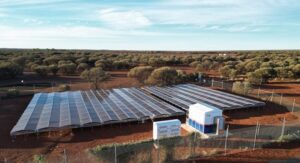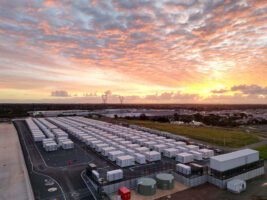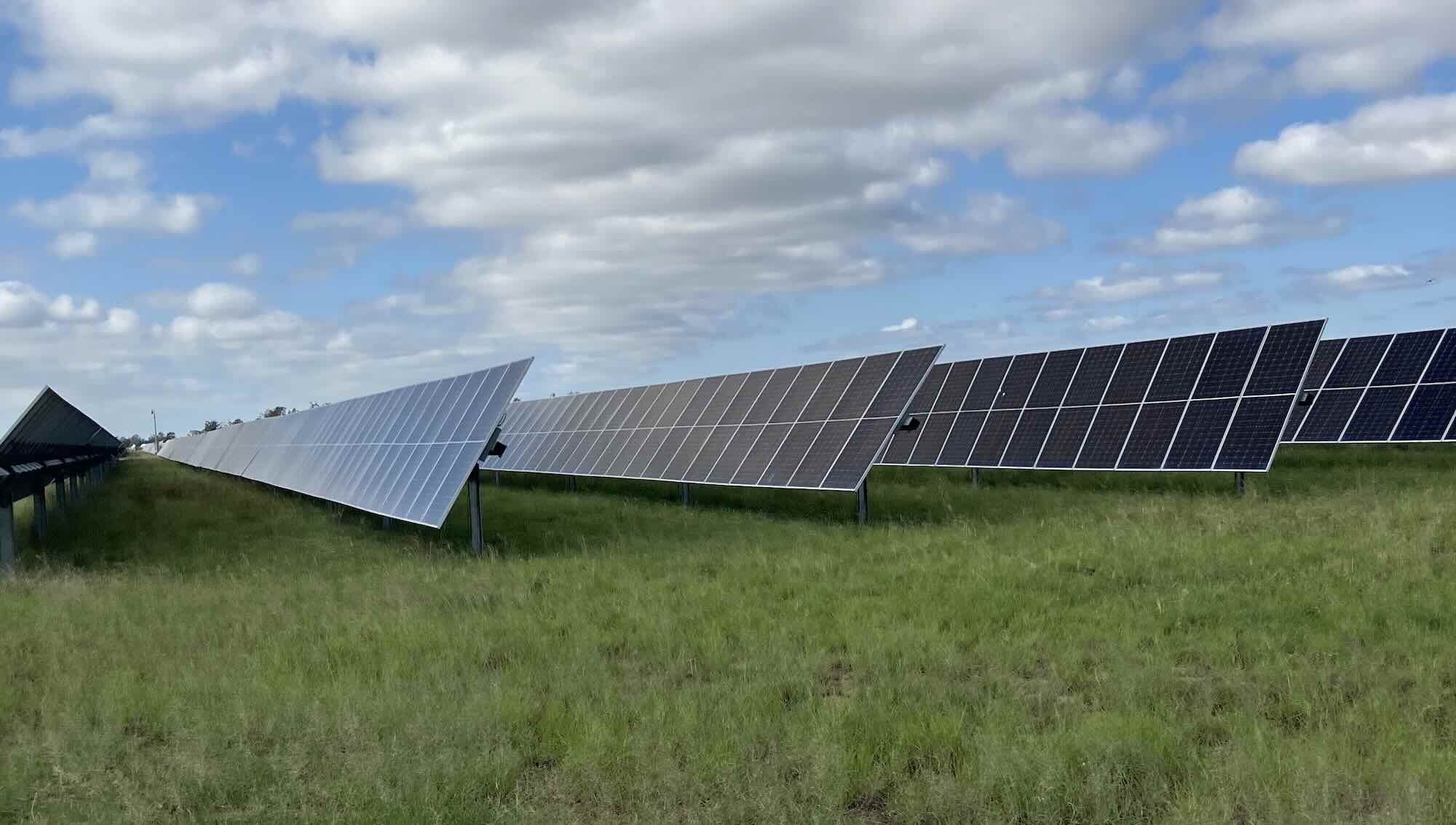
Large-scale solar curtailment was “reduced significantly” in August, new data has shown, with the growing number of big and small batteries – and a somewhat subdued contribution for wind – helping to prevent solar electrons from going to waste, despite a record-breaking month of output.
In the latest monthly update from Rystad Energy, lead analyst David Dixon says that curtailed generation from utility-scale PV was 168 gigawatt-hours (GWh) in August 2026 (~9% of available generation) compared with 284 GWh in August 2025 (~18% of available generation).
This is particularly noteworthy given large-scale solar generation reached a record high (for the month of August) in three of the major National Electricity Market (NEM) states, including 684 GWh in New South Wales, 665 GWh in Queensland, and 213 GWh in Victoria.
“For wind generation it was the opposite,” Dixon writes in a report posted on LinkedIn, “with wind generation in August 2026 down relative to August 2025 in all states except Queensland. Wind generation for August 2026 was down ~205 GWh compared to August 2025.”
All together, all Australian utility solar and wind assets generated 4.99 terawatt-hours (TWh) in August, Dixon says, up 3 per cent from 4.86 TWh in August 2025.
Wholesale spot electricity prices also fell year-over-year for all NEM states in the month of August, with all NEM states below $A80 per megawatt-hour (MWh).

The best performing large-scale solar assets for the month were all in Queensland, led by Pacific Blue’s 100 megawatt (MW) Haughton solar farm (stage 1) with a capacity factor (AC CF) 28 per cent. The 204 MW Edenvale Solar Park in the Queensland Western Downs region also hit 28 per cent (AC CF), as did Genex Power’s Kidston solar farm.
For wind, the top-performing wind assets were more spread out, says Dixon, led by Potentia Energy’s Flat Rocks wind farm in Western Australia achieving a capacity factor of 51 per cent. RATCH Australia’s Mount Emerald wind farm in Queensland hit 40% CF, and Woolnorth Renewables’s Musselroe wind farm in Tasmania topped out at 39 per cent CF.
Victoria topped the charts at a state level, with 213 GWh from utility PV and 1,174 GWh from wind, and a combined total of 1,387 GWh.
To join more than 29,000 others and get the latest clean energy news delivered straight to your inbox, for free, click here to subscribe to our free daily newsletter.