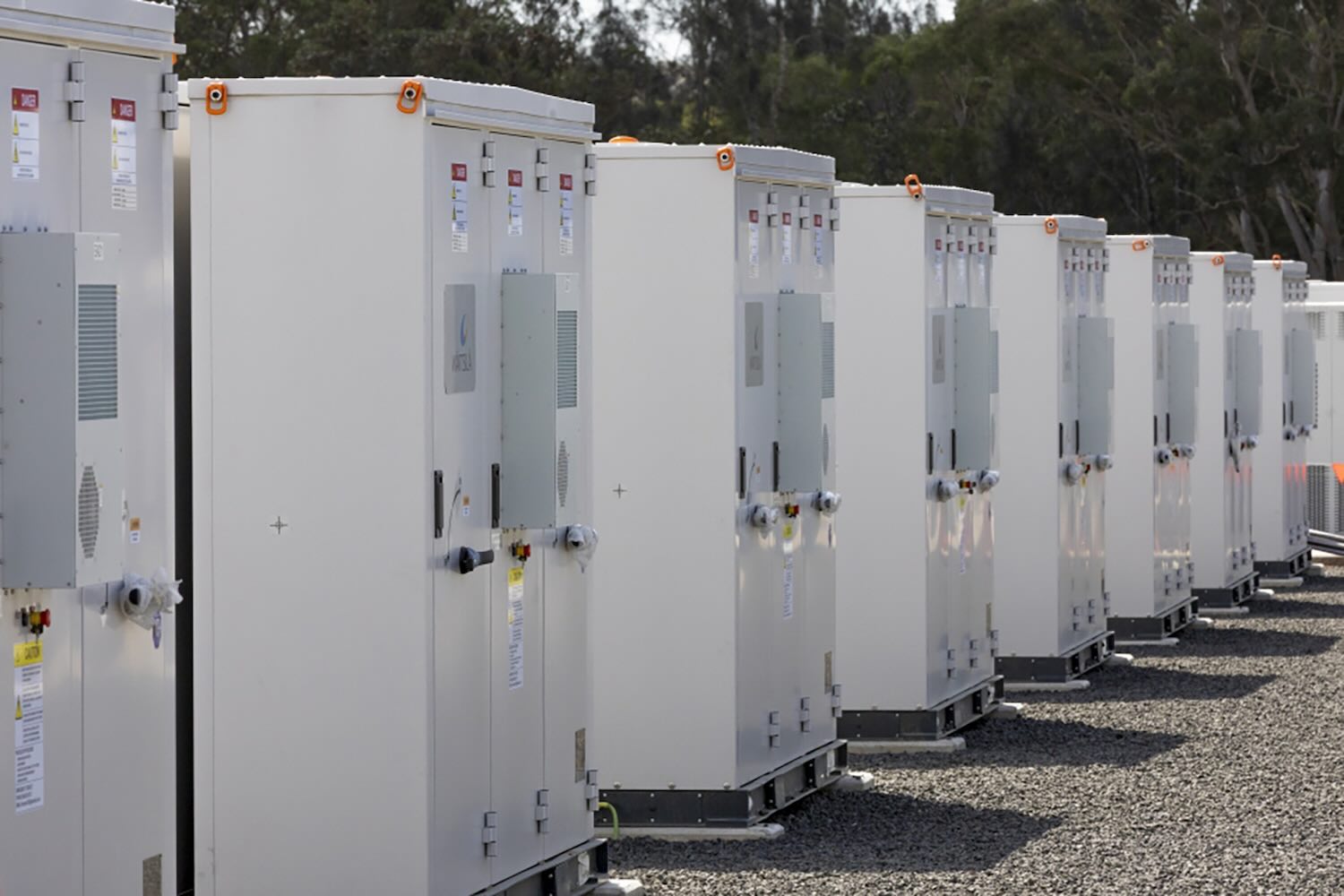
The Queensland LNP government has officially called in yet another standalone big battery project, creating further uncertainty for investors already suffering a flight of capital in the wake of the state’s dumping of renewable energy targets.
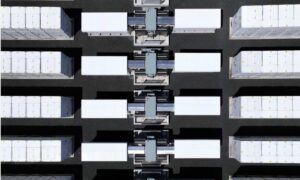
The latest victim is China giant Trina Solar’s Pleystowe battery project, near Mackay, which has been officially called in by the state planning minister after the potential was flagged earlier this year.
The fate of the 200 megawatt (MW), 800 megawatt hour (MWh) project is now in the hands of planning minister, and noted renewable energy opponent, Jarrod Bleijie, who last week also officially called in Potentia Energy’s Capricorn battery project.
In the official call-in notice for Pleystowe, Bleijie said he received 733 submissions about the project since it was first proposed for further scrutiny in early January.
That compares to the 95 the council received during the local government planning process.
“Matters of concern raised in the submissions related to fire risk, environmental risk, impact on the amenity of the locality, acoustic impact, economic impact due to loss of agricultural land and technical reporting (noise assessment),” Bleijie wrote in the call-in notice.
“Calling in the application provides an opportunity to undertake a comprehensive and balanced assessment of the application.”

Renewable energy projects have been under significant pressure in Queensland, with the state using planning processes such as call-in notices and legislative changes that killed one wind project entirely, and are adding more planning steps to all others.
The latest call-in brings the total number of renewable energy projects currently awaiting their fate to five.
Iberdrola Australia is still waiting to see whether its Gin Gin battery will be formally called in, after being added to the list late last month.
Multi-billion dollar wind projects Middle Creek energy hub and Marmadua energy park have been in limbo since June last year.
Only one other renewable energy project has received a decision after being called in: the Moonlight Range wind project, which Blejie cancelled in May.
Just three other projects have escaped being called-in after they were proposed for ministerial scrutiny early in 2025 – Fortescue’s 1.4 gigawatt (GW) Wongalee wind project near Hughenden, Windlab’s 1.4 GW Bungaban wind project, and RWE’s 1.1GW Theodore wind farm near Biloela.
Of the 10 developments still on the ministerial call-in list since the Crisafulli government came to power in late 2024, all but four are renewable energy projects.
The result of this uncertainty has been a flight of capital from the state.
Data shows new investments vanished in 2025 and investors are losing faith in the state government.
Councillors call it in
Community opposition, real or imagined, is behind the spate of call-in notices and the Pleystowe battery is no different.
It was prompted by Mayor Greg Williamson and LNP member for Mirani Glen Kelly, who cited strong local opposition and “matters of significant public interest and material deficiencies in the evidentiary basis relied upon to support approval”.
Kelly was behind call-in notices for Moonlight Range and the Capricorn battery as well.
Mackay regional council planning staff recommended the project go ahead as it generally complied with the local planning scheme and any discrepancies could be managed by imposing conditions.
But the regional councillors were not convinced.
They argued that it didn’t fit perfectly into the rural zoning and the “industrial nature” of a battery did not “require agricultural land, making the rural site inappropriate for this use when non-agricultural options exist”, according to the minutes from the November 26 council meeting.
Not only did they refuse to make a decision on the project, a move that Trina Solar is now appealing in court, but voted during the meeting to ask Bleijie to call-in the project, and “expedite the State Governments exploration of the regulation of stand-alone Battery Energy Storage Systems (BESS)”.
The state announced similarly strict planning rules for batteries as for wind and solar projects not a month later, on December 18.
Kelly’s participation was no accident as well: the council also voted to “demand” he “champion our request for a call in and further to that, to initiate a change in legislation so that battery storages such as this, come under the same legislation as solar and wind developments with special reference to social impact report.”