Queensland firm Zero Emissions Developments is hoping to kick start the local manufacturing of battery storage systems, announcing plans for a $30 million investment round.
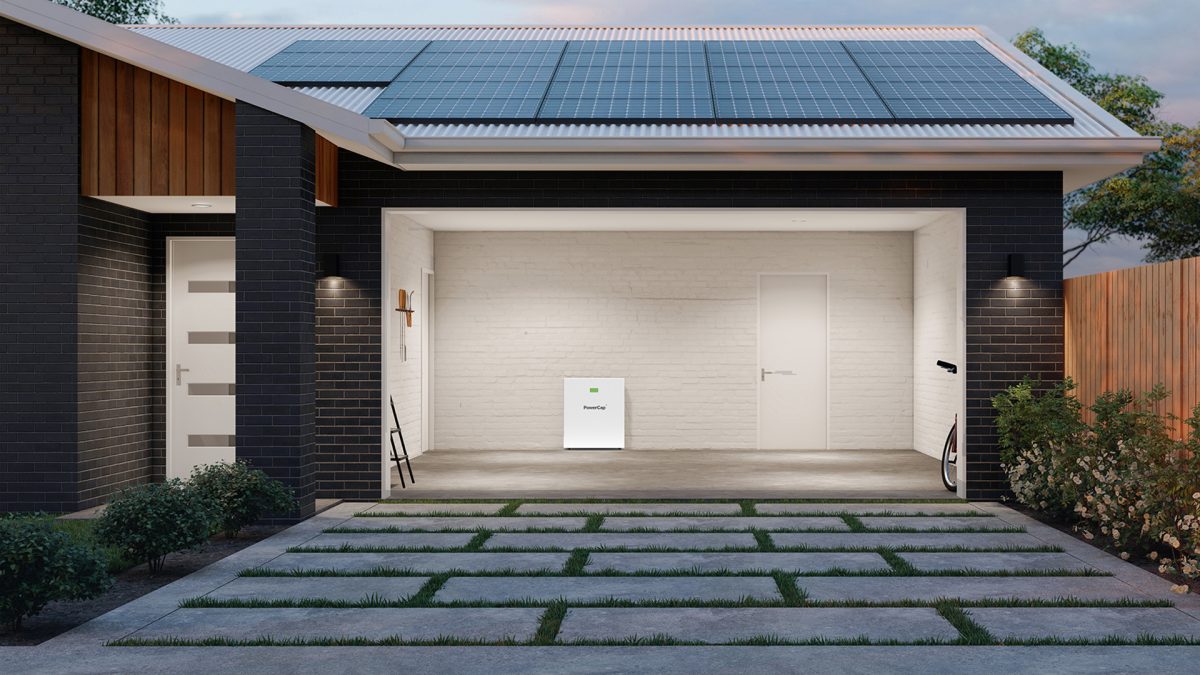
The company is seeking to manufacture the PowerCap batteries, under a subsidiary of the same name, which uses recycled materials, at a new facility located in south-east Queensland.
The venture already has plans to establish its own recycling facilities, which will provide a source of the graphene-like materials needed for the PowerCap battery anodes.
The company said the ability of the PowerCap batteries to use recycled materials gave it an advantage over conventional lithium-ion batteries that require newly mined materials. The use of the recycled materials in the battery’s production will also be recyclable at the end of their product life.
By using longer lasting materials, PowerCap intends to offer a 20-year warranty for its residential battery system, around double the warranty usually offered for lithium-ion batteries. Through the extended product life – operating for up to 20,000 charge-discharge cycles – PowerCap expects to achieve significantly reduced lifetime costs for the battery products.
“The PowerCap metal-oxide-graphitic Psuedocapacitor Battery is a sustainable energy storage system which lasts two to three times longer than standard Lithium-Ion batteries,” the company said in a statement.
“Not only is it safer, cleaner and more affordable than traditional batteries, it also assures the equivalent energy density found in Lithium-Ion batteries and provides up to ten times more power density – this means the energy is delivered instantly, important when powering mobile devices likes cars.”
PowerCap’s residential offering features 10kWh of storage capacity, with a larger commercial option offering units with either 15 or 50kWh of storage.
PowerCap CEO Ahmed El Safety said the development of the new batteries, and plans to manufacture them locally, would ultimately boost Australia’s ability to produce and use more solar energy.
“We know this technology is going to help advance our ability to rely on solar energy, and by building the batteries here in Australia, we’re able to control the quality of the batteries we produce and create jobs for Australians at the same time,” El Safty said.
“We welcome those wanting to invest in technologically advanced renewables to make contact.”
The company plans to list on the ASX by 2023.