Australia’s premier science agency, the CSIRO, is looking to recruit thousands of ordinary people to become citizen scientists in a new “living lab” that will gather and analyse real-world energy data from households and businesses across the country.
The major new research effort is part of the CSIRO’s National Energy Analysis Centre (NEAC), which was launched on Thursday as a vital research tool to help steer Australia’s energy transition with greater clarity and coordination and to de-risk it – particularly for consumers.
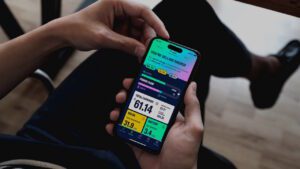
A key part of the NEAC will be the Living Lab, which aims to tap the anonymised energy data from thousands of households and businesses using state-of-the-art energy system modelling, analysis and visualisation tools, as well as old-fashioned surveys.
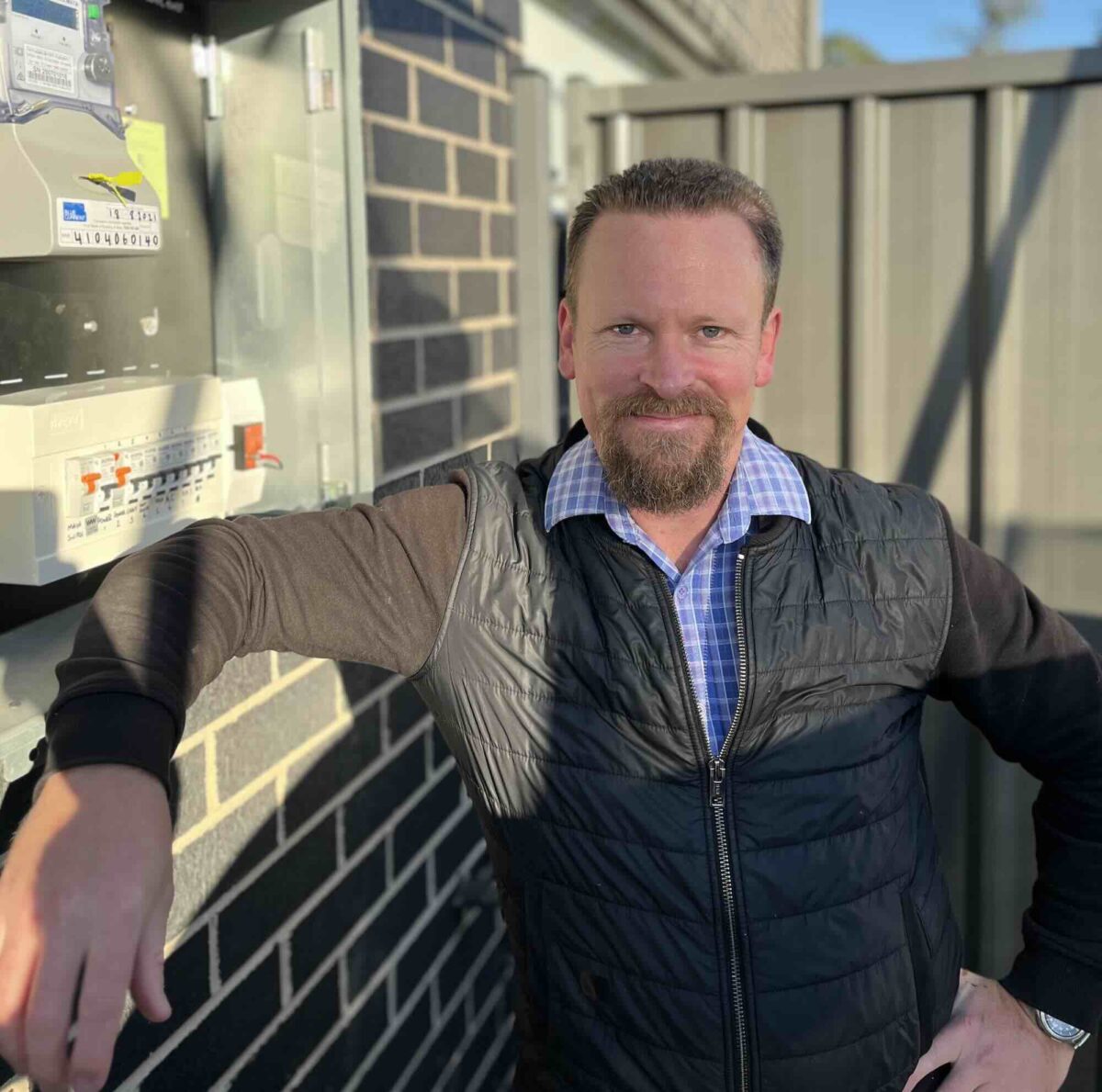
NEAC director, Stephen Craig, says the opt-in Living Lab program is about getting a much better and broader view of how regular people use energy and to develop effective infrastructure, regulations and programs at lowest cost to consumers.
“The recognition is that, at the end of the day, energy is a means to an end – it’s how energy is being used in the home and businesses that really matters,” Craig tells Renew Economy.
“There’s more and more of the energy system that’s in the hands of us, ordinary users with our solar panels and batteries and [electric vehicles] and and so on.
“What we want to do is to have this consistent national source of trusted information for energy planners and policy makers and innovators to get the balance right going forward for the future system.”
Craig says some of the inspiration for the Living Lab has come from the UK, where they have been establishing a living lab to inform the distributed energy transition that has been growing successfully over several years and now incorporates more than 5000 homes.
He says the “embyro” for the Australian version will recruit around 40 households, but with the official launch of the NEAC this week it will be opening expressions of interest for more and looking to scale to around 1,000 over the coming 12 months or so.
“One of the key differentiators for this living lab compared to others that have been done is that this is distributed with the ambition to be as representative as we can of Australian society,” Craig says. “So different geographies, different demographics, different levels of engagement in energy.”
CSIRO is inviting Australian residents 18 years old and over to sign up to the Living Lab, which Craig stresses is completely voluntary and all data shared will be de-identified and aggregated.
“[Participants] consent to be a part of this citizen science panel – because, really, that’s what it is. …And then, as a part of being in the Living Lab, being one of those citizen scientists, they’ll receive some surveys to answer occasionally … [and] they will share some of their meter data, so some of their basic data around energy.”
Craig says that, as a second step, participants in the Living Lab will also have the opportunity to opt in to participate in specific trials and research projects.
“It could be some new technology. It could be a business model innovation. It could even be a regulatory trial… So it’s quite broadly different types of ideas and innovations related to energy.”
One of the early projects NEAC’s Living Lab will be in partnership with Endeavor Energy, taking a focus on Western Sydney, which Craig describes as one of the most dynamic regions in the country, for consumer energy use, due to high levels of growth and diversity and the addition of a new airport.
“We’ll establish the Living Lab there to really answer some of the key questions they have regarding the future network needs and system planning,” Crag says.
“What we’re aiming to do is to be as representative as possible … and that’s where I think partnering with some intermediary organisations in a smart way to reach, maybe hard-to-reach cohorts will be important,” he adds.
“So we’re likely to get the the energy enthusiasts put up their hand early and say, yes, I’d love this. Give me some gadgets, you know. But what we want to do is be much more mainstream than that and much more representative.
“And that’s where we’ll evolve the Lab over time to reach more and more of Australian society.”
Beyond the Living Lab, the NEAC will also establish a Systems Science Toolbox, which is being used as part of a study into optimising energy within industrial hubs.
“One of the big questions [here] will be how to transition and decarbonise, for example, industrial uses, where there’s a mix of options and a lot of the fossil fuel is used today,” Craig tells Renew Economy.
“What are the alternative pathways going forward, considering… the end use in mind? Are we producing alumina? Are we producing steel? Where are we, geographically? What’s the situation with our shared infrastructure? And what’s the maturity of the different low carbon technologies?
“So how do we unpick that complexity to define an optimal pathway forward for that particular industry or industrial area. That’ll be a key use case [for the toolbox].
“But the reason we’re doing it with the Living Lab, as well, is what we want to be able to do is take insights and trends that we’re seeing in the Living Lab and say, well, what if everyone starts doing that? So, just sort of scale up those insights coming from the lab to a whole of system perspective and understand what the implications are for the broader system.”
Ultimately, researchers, network planners, government agencies and industry will be able to use the NEAC Living Lab as a open resource tool to better understand how families and businesses use energy, now and in the future. The research is supported by the Science and Industry Endowment Fund (SIEF).
To register your interest in joining the Living Lab (for any resident of Australia over 18 years old), click here.
Organisations interested in using NEAC are invited to attend a webinar on August 11 to find out more.