While the global oil crisis has put the world’s best well laid plans on hold for the last 74 days, few companies can afford to put their efforts to grow their business on hold.
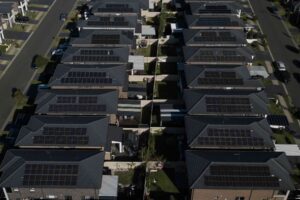
The global oil crisis has magnified the opportunity for renewables and cleantech companies starting with the Home Battery Scheme that has delivered 7.7 gigawatt-hours of energy storage to households seeking greater energy security. Consumers have also turned to electric vehicles in droves with one in six cars sold in April being electric.
Commercial and industrial energy consumers have also increased their attention and investments on renewables and electrification to drive down the cost of business. With the price of crude oil expected to surpass US$100 a barrel, businesses that are exposed to diesel and fuel price volatility are urgently shifting their attention to achieving energy independence through transport electrification or energy storage.
When consumers and businesses are shifting their attention quickly during the global oil crisis, businesses offering alternative solutions need to pivot their messaging away from education. Cost pressures from the oil crisis have now turned household and business decision-makers from passive consideration to active evaluation. Removing friction from the buyer’s journey and equipping them with the right information to support their buying decisions is more critical than ever.
During the start of the global oil crisis, some well intended marketing, communications or community engagement campaigns were rescheduled as the media’s attention was focused on the impact of the oil crisis. However, major announcements, project timelines or milestone communications cannot be paused indefinitely and there is now a clear need to shift messaging, reprioritise approaches towards marketing and communications – or for project developers, how they engage with local communities.
Every business leader needs to recognise their exposure to reputation risks that are beyond their control – whether they are serving consumers, businesses or the broader energy industry. For example, supply chain risks, rising product costs to severe fuel disruptions could create significant delays to employees being able to carry out their duties. The risk is not just an operational disruption. It is saying the wrong thing, or nothing at all, while your customers, industry partners or local communities are actively reassessing their options.
Without a thorough assessment on business reputation risks and creating an appropriate proactive or reactive communications strategy, businesses could be left highly vulnerable should the National Fuel Security Plan change rapidly. We have been presented with a potentially short window of opportunity, and what matters now is how quickly companies recognise the shift, and whether their positioning reflects it.
While the global oil crisis has disrupted markets, supply chains, consumer and business confidence, it has also delivered the biggest shift the renewable energy industry has seen in decades. This is not the time for generic messaging, delaying engagement with key stakeholders or business as usual communications.
Positive Good is currently working with its clients to reassess their marketing and communications strategy with the extended global oil crisis. If your organisation’s messaging, engagement or campaign activity hasn’t been revised since the crisis started, it is likely to be out of step with the market’s expectations.
To request a copy of our response briefing or discuss your current approach, contact Positive Good at [email protected]