The Australian arm of French energy giant EDF is seeking federal environmental approval to build a wind and battery project in New South Wales in the New England renewable energy zone.
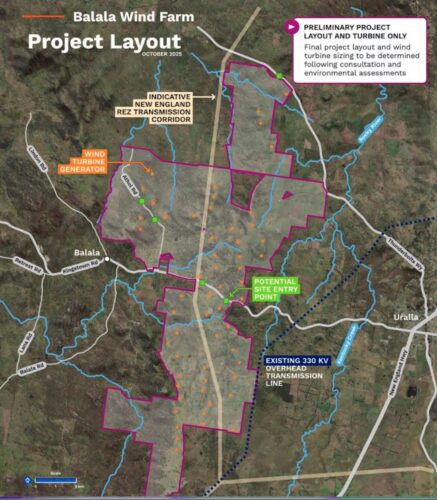
The Balala wind project, proposed by EDF power solutions Australia (EDFA), would see the construction and operation of a wind farm with 60 wind turbines and a total generation capacity of 420 megawatts (MW), according to the referral post on the government’s EPBC website.
The wind farm would be located on land now used mostly for sheep and cattle grazing, about 10 kilometres west of the town of Uralla. The project’s footprint covers about 15 associated residences located within 11 landholdings, the notice states.
The project would also incorporate a big battery with a storage capacity of about 200 MW and 800 megawatt-hours (MWh).
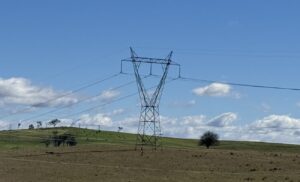
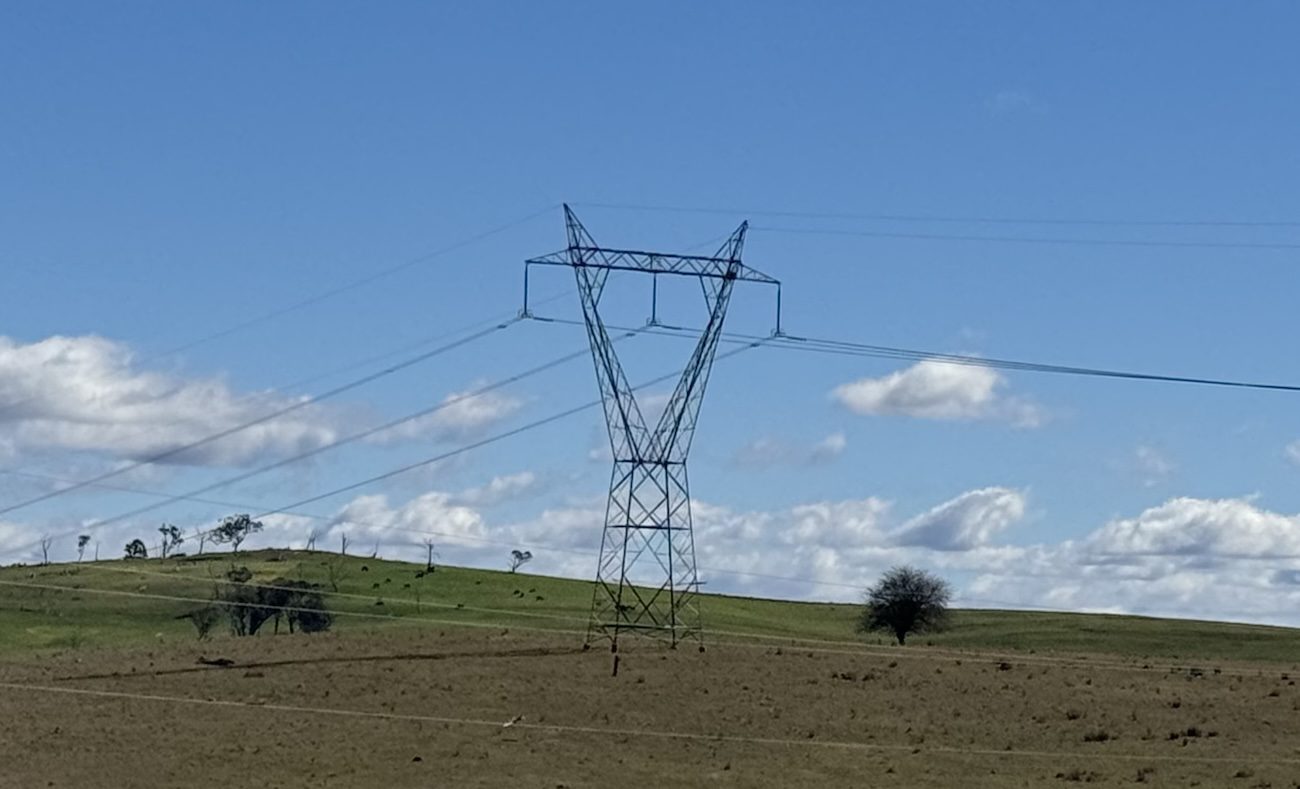
The facility would connect to the grid via Transgrid’s existing 330 kilovolt (kV) transmission line linking Armidale to Tamworth or via EnergyCo’s proposed Central Hub that will be part of the New England REZ network infrastructure project.
EDF, which has a portfolio of energy projects in Australia and around the world, is wholly owned by the French government.
Among its Australian projects is the Banana Range Wind Farm, 228 MW project that EDF says it expects to start construction on by the end of this year, according to the company’s website.
The Balala Wind Farm is considered a state significant development, according to the NSW major projects website. With such a status, final approval decisions are typically made by the NSW Independent Planning Commission or the NSW Minister for Planning or the Independent Planning Commission, rather than the local council.
“It is expected that construction of the [Balala] Project would commence in 2030, subject to relevant approvals being granted,” the EPBC referral notice states. Construction would take about 30 months to complete, although the project may be built in stages.
The EPBC Act covers environmental protection and biodiversity conservation, as its name suggests.
In terms of this project’s biodiversity, the referral notice states the area is “primarily composed of cleared pastoral land with scattered woodland, with larger areas of connected woodland and forest to the south-west and north-west”.
“The region is characterised by a mix of rolling hills and shallow valleys carved by small streams, with more open, cleared grazing country and remnants of native woodland on steeper or rockier ground,” it said.
“Threatened aquatic species habitat is mapped within the creeks located within the Project area,” the notice states.
As part of the EPBC approval process, the public can comment on the referral for two weeks, ending October 20th, the website shows.
To join more than 29,000 others and get the latest clean energy news delivered straight to your inbox, for free, click here to subscribe to our free daily newsletter.