Europe added a record 13.5 gigawatts (GW)/26.4 gigawatt-hours (GWh) worth of battery energy storage in 2025, helping to push the total installed capacity of all types of storage technology over the 100GW mark and edge up to rival Europe’s nuclear capacity.
The latest European Market Monitor on Energy Storage (EMMES), published by LCP Delta and Energy Storage Europe this week, analysed energy storage across all 27 European Union countries as well as Great Britain, Switzerland, and Norway.
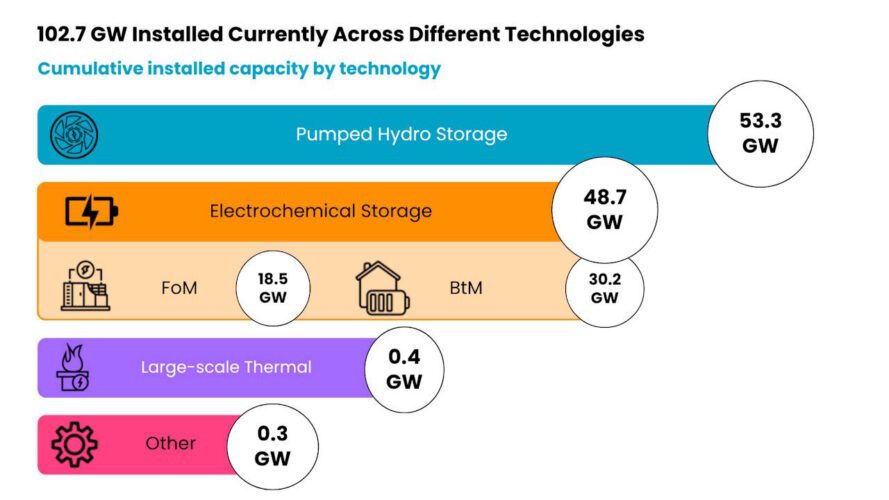
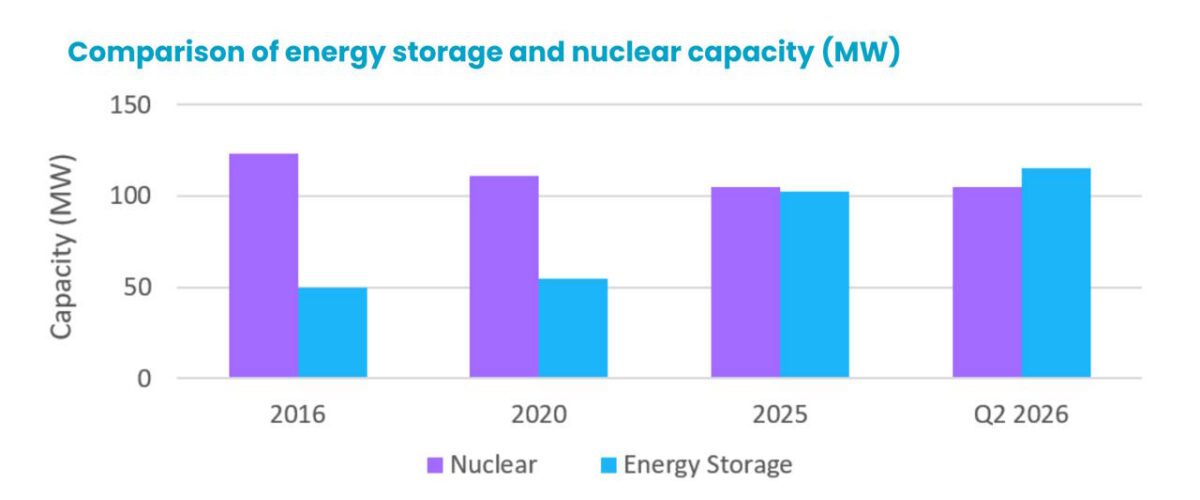
A total of 13.5GW/26.4GWh worth of “electrochemical” storage was added in 2025, bringing the total capacity for EMMES-monitored countries to 48.7GW. When including all forms of storage, including pumped-hydro, cumulative capacity exceeded 102 GW, putting it just behind the approximately 105 MW worth of nuclear capacity in the same 30 countries at the end of 2025.
And according to this 30-country definition of “Europe”, energy storage overtook nuclear capacity in the second quarter of 2026 and should be 10GW ahead by the middle of the year.
By 2030, LCP Delta and Energy Storage Europe expect cumulative installed electrochemical storage to exceed 202GW, with 153GW/485GWh of electrochemical storage expected to be added to European grids over the remainder of the decade.
“The European storage market is entering a new phase,” said Jacopo Tosoni, deputy secretary-general and head of policy at Energy Storage Europe.
“Reaching over 100 GW of installed storage capacity is a remarkable achievement, but the greatest opportunity still lies ahead. No European country has yet reached its storage potential, while electrification, renewable deployment, and system needs continue to grow.”
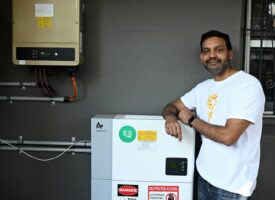
Behind-the-meter (BtM) storage was the major driver of growth in 2025, reaching 30.2GW/46.2GWh worth of installed capacity by the end of the year, ahead of the 18.5GW/24.4GWh worth of Front-of-the-Meter (FoM) capacity.
Germany, Italy, the Netherlands, Austria, and Great Britain led BtM deployment thanks in part to expanding adoption of solar-plus-storage systems, dynamic electricity tariffs, greater electrification, and participation in flexibility markets.
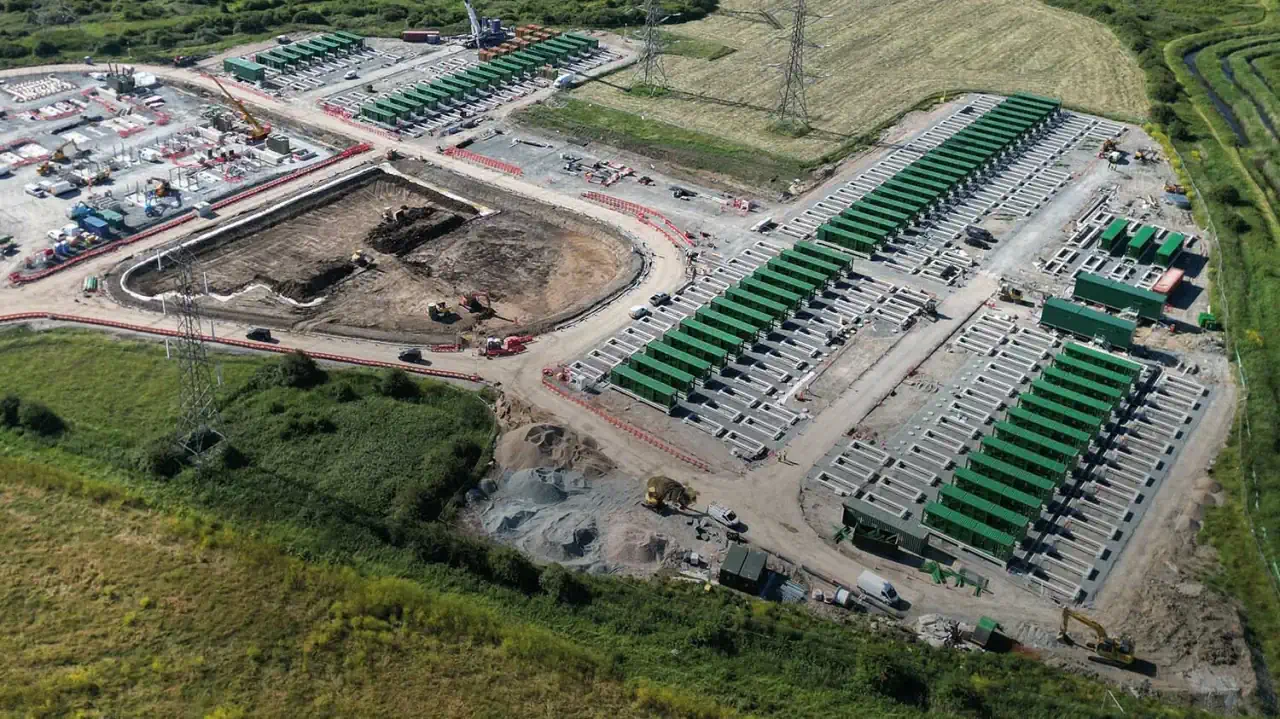
Conversely, FoM growth was strongest in countries with established capacity markets, including Great Britain, Italy, Poland, and Belgium, as well as markets that benefit from dedicated storage support schemes such as Italy, Bulgaria, Poland, and Spain.
“The continued growth in energy storage shows that the industry recognises its value and benefits,” said Silvestros Vlachopoulos, energy storage research manager at LCP Delta and lead author of the report.
“While this momentum is encouraging, the focus must now shift to keeping pace with rising demand. Our analysis indicates that energy storage will continue to expand through to 2030, providing a clearer picture of where additional support is needed to ensure its success.”
If you would like to join more than 29,000 others and get the latest clean energy news delivered straight to your inbox, for free, please click here to subscribe to our free daily newsletter.