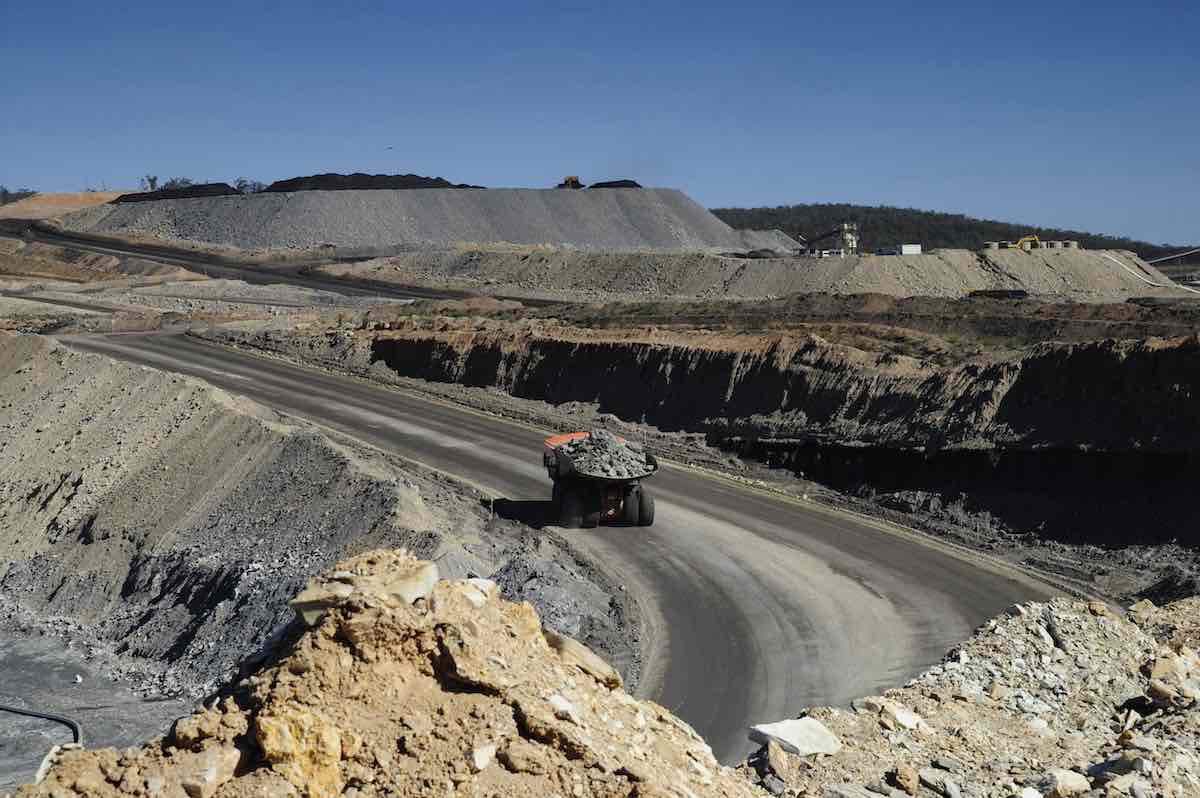
Australia ranks third in the world after China and India for the amount of new coal mines under development and has captured a third of the global market for metallurgical coal despite its climate commitments, a new report has found.
The report by Global Energy Monitor found new coal mining capacity worldwide fell to its lowest point in a decade in 2024 with estimates of 850 new mines globally but the bulk of these new mines – 90% – were concentrated in four countries: China, India, Australia, and Russia.
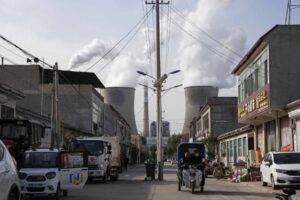
Of these, the vast majority of new coal capacity was planned for China with 1,350 billion tonnes on the way, followed by India with 329 million tonnes and Australia with 165 million tonnes.
In total the output of planned new coal mines amounted to about 1,942 billion tonnes of coal per year globally, with half this amount in the early stages of planning.
Australia accounted for roughly 7% of proposed new coal mines globally with nearly two thirds – 58% – already approved and under construction. The remaining proposals are still within early planning stages and are vulnerable to cancellation.

Queensland was home to the majority of new proposals with the northern state planning to produce 124m tonnes of coal each year, and New South Wales planning to dig up 41 million tonnes.
The report, however, suggested new planned coal mines in Australia were at risk of becoming stranded assets.
Australia exported about 89% of its metallurgical coal production in 2022-2023 with China and India the main buyers, but it noted both countries were either moving away from reliance on Australian metallurgical coal or were planning to increase domestic production.

“This creates a risk that early-stage metallurgical coal projects in Australia may be shelved or cancelled due to declining international demand,” it said.
It also noted domestic coal consumption for electricity generation was falling or expected to fall, with Australia pledging at COP29 in Baku not to open new coal power plants, and solar and wind growing to take up more of the country’s energy grid.
“In light of these factors, many of the proposed thermal coal projects may face a risk of becoming stranded assets,” it said.
Should just the 296 projects under construction globally enter production within the next few years, they would add 6 Mt of methane emissions a year once operational. Methane is a potent greenhouse gas that is 82 times as powerful as carbon dioxide over a 20-year-period.
China accounts for fourth-fifths of projected emissions from new coal mines, with Australia ranked second. If the 58 proposed projects in Australia under planning were built, they would add up to 0.8Mt. Those projects already under construction would lock in an additional 0.1 Mt a year, with those already given approval adding 0.4 Mt a year – though there is potential for these to be under-counted.
“Emissions from surface or open-pit coal mining have often been overlooked due to their comparatively smaller share,” the report said. “However, aircraft-based measurements have shown that methane emissions from a major open-pit coal mine in Australia were three to eight times higher than reported.”
Australia recently announced a deal with the United Nations Environment Programme (UNEP) to undertake a study using a simulated coal mine to test methods to measure methane emissions from coal mines.
The falls in coal mine development recorded in 2024 were not enough to meet global targets.
Achieving the 1.5C emissions goals under the Paris Climate Target would require current global coal production to fall by three quarters to 2020 levels, according to UNEP.
“With a substantial volume of coal mining capacity still in the development pipeline, moving forward with these projects would only move progress further away from achieving global climate targets,” the report said.