Home » Smart Energy » Ausgrid prepares to take customers off the grid with solar and batteries

Ausgrid prepares to take customers off the grid with solar and batteries

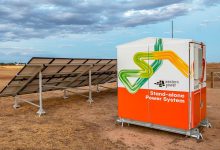
western power stand alone power system - optimised
Credit: Western Power.

Ausgrid has begun making preparations to take some customers off the main grid, putting out a call for expressions of interest from suppliers of stand alone power systems (SAPS) based around solar and battery storage.

The Ausgrid tender is expected to be one of many by networks across Australia as they take advantage of new rules that encourage them to take remote and regional customers off the grid if cost savings and improved reliability can be demonstrated.

Networks have long known that many of their remote customers can be incredibly expensive to serve, because of the cost of building and maintaining poles and wires over long distances, particularly managing vegetation, fire and storm risks.

The high cost of these connections is shared with all customers, so replacing them with smarter, renewable based systems will lower costs for everyone.

There are potentially tens of thousands of individual customers, and even some small or medium sized communities, who could be better served with stand alone power systems or micro-grids, and Western Power is leading the way in W.A. by cutting the wires to more than 100 customers, and more than 200kms of line. (See picture above).

Ausgrid says it is focused initially on up to ten customers in the first of a series of trials. They will be located in its regional areas, such as the Upper Hunter, Singleton, Cessnock, and the Central Coast, and even parts of the Hornsby and Sutherland shires in the greater Sydney metropolitan region.

In its tender documents, it says the SAPS should be able to deliver for customers using an average of 10kWh to 90kWh a day with systems based around solar and battery storage. Diesel back up generators will also be included, but the systems must be designed to ensure that these diesel generators do not run for more than 100 hours a year.

It cited one case study – a rural residential property located down “several kilometres of graded dirt road”, some 90 minutes from Muswellbrook in the upper Hunter – with electric hot water and a septic system. The trial is expected to begin next year.

Giles Parkinson is founder and editor-in-chief of Renew Economy, and founder and editor of its EV-focused sister site The Driven. He is the co-host of the weekly Energy Insiders Podcast. Giles has been a journalist for more than 40 years and is a former deputy editor of the Australian Financial Review. You can find him on LinkedIn and on Twitter.

Related Topics

Latest posts

As Battery Rebates Change, HiTHIUM Makes the Case for Flexible Home Storage

As Battery Rebates Change, HiTHIUM Makes the Case for Flexible Home Storage

At All Energy Australia, the ARKVOLT F8S and HeroEE 16 show why expansion, usable capacity and long-term value matter as much as battery size. Australia’s home battery boom raises a question: how much storage should households buy now, and how much might they need later? The Clean Energy Council recorded 276,011 installations in the first […]

Fox ESS Builds on Residential Success with Expanded C&I Solutions at All Energy Australia 2026

MELBOURNE, Australia, 28 October 2026 — Fox ESS (Fox) showcases Power Beast, G-Max Plus, Power Cube, AirGate and FoxCloud 2.0 at Booth N123, All Energy Australia on 28–29 October. Fox brand ambassador, Australian swimming legend Ian Thorpe joined mascot Maimai in welcoming guests. From Residential Leadership to Rebate-Ready C&I Solutions In August, Fox joined the […]
Webinar: Supersizing Australia’s solar rooftops and battery storage

Webinar: Supersizing Australia’s solar rooftops and battery storage

Join our experts to explore how expanded rebates could unlock an 80 GW market and reshape Australia’s energy grid.
Almost 100 new data centres in the works, adding more than 2 GW of demand by 2030, market update finds

Almost 100 new data centres in the works, adding more than 2 GW of demand by 2030, market update finds

Australia is home to 163 operational data centres with almost 100 more in the national pipeline, an industry update shows.