One of the biggest renewable energy developers in Australia, the UK-based RES, has unveiled plans to build a large 600MWh battery in the Hunter Valley, one of a number of new projects jostling for position to replace the coal generators that will close over the coming decade.
RES is proposing a 250MW/600MWh battery next door to Ausgrid’s Brandy Hill sub station in the Hunter renewable energy zone, one of five zones being created by the state government to manage the switch from coal to renewables.
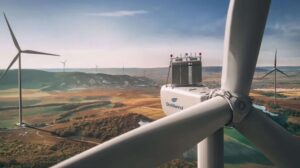
RE has just finished installing the last of its 230m high turbines at its Dulacca wind farm in Queensland’s Western Downs region and manages some 3000MW of wind and solar assets across the country.
But RES has been moving into battery energy storage systems (BESS) in Australia with projects including the proposed 400MW/1200MWh Watta Wella big battery to be co-located with a wind and solar farm, and a pitch for a Queensland wind farm and battery project which was recently renamed Tarong West Wind Farm.
The Brandy Hill BESS, considered a State Significant Development, will be RES’ first battery project in NSW, according to a company spokesperson.

RES did not provide any budget figures in its initial scoping study but indicated that it will make money by selling into peak demand periods and providing network firming capacity.
The project is currently seeking community feedback as it waits for a state government Secretary’s Environmental Assessment Requirements (SEARS) to outline what will be required from an environmental impact statement.
Planning wins depends on parent
It pays to be a favoured project in NSW as the Eraring-replacement Waratah Super Battery, a 700MW/1,400MWh behemoth, was waved through to the next step of planning in December.
Following departmental feedback, project owner Akaysha Energy has been told to deliver a written response to any issues raised by NSW agencies.
Firm Power’s 150MW/300MWh Muswellbrook BESS on the other hand, which is at the same planning stage as Waratah, has been issued a request for more information for 17 different issues, including queries about the height of a noise wall and justification for its grid connection route to the neighbouring Muswellbrook substation.
Both of the projects are in the Hunter REZ, but Waratah is a key part of the NSW government’s solution to the closure of Origin Energy’s Eraring coal power station.
The Waratah Super Battery is slated to be the largest standby network battery in the Southern Hemisphere, effectively acting as a giant shock absorber so that transmission capacity currently stored in reserve can be freed up to transfer energy to consumers.
The NSW government has waved through major works such as transmission line upgrades to ensure the project’s success.