CS Energy has quietly sold a half share in one of the few wind projects under construction in the state, the latest in a series of moves that has seen Queensland state-owned utilities withdraw from equity positions in key renewable projects.
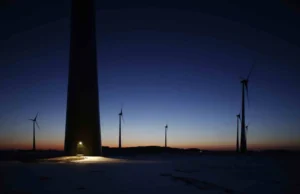
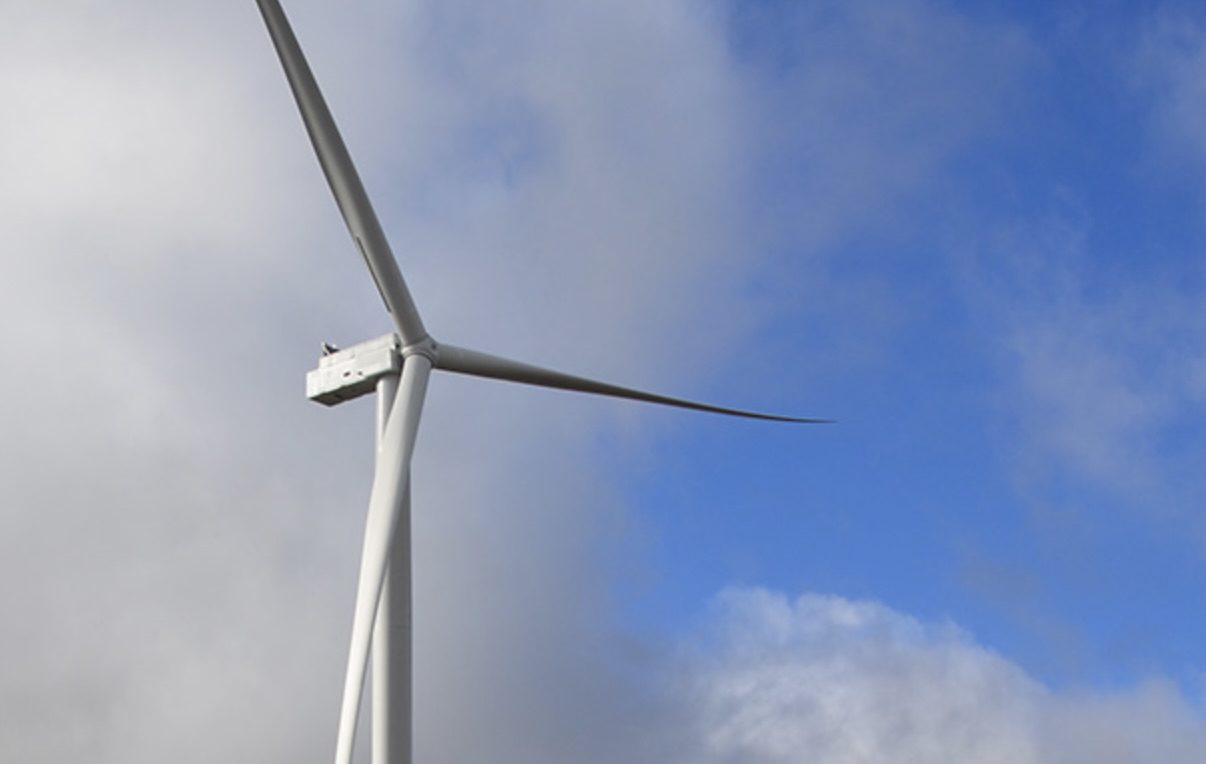
The deal to sell a half share in the 228 megawatt (MW) Boulder Creek wind project to joint venture partner Aula Energy was announced on June 26, but has flown under the radar.
It comes less than two years since CS Energy bought into the project, located around 40 kms south of Rockhampton, under the previous Labor government.
CS Energy will still buy all the output from Boulder Creek under a power purchase agreement, but the company says that the “new approach” to its equity position is in line with the LNP government’s energy roadmap.
“(It) is all about leveraging existing assets to put downward pressure on prices, optimising investments to respect taxpayer funds, and boosting private sector investment in new assets to ease pressure on the State’s balance sheet,” CS Energy Acting CEO Tony Bellas said in a statement.
“We’ve been working with QIC through the Investor Gateway, matching investors and developers to drive new investment across Queensland’s energy sector.”
It follows a decision earlier this year by another state owned utility CleanCo to back out of a deal to take a stake in the 360 MW Moah Creek wind project, although it may also sign a deal to buy the output.
Another state owned utility, Stanwell, in February announced its decision to sell its option over a half share in the 436 MW Tarong West wind project to Innergreen, a private investor that will now partner RES in its development. Stanwell still has an option to buy the output of Tarong West.
The AFR has also reported that CS Energy is seeking investors in the 285 MW Lotus Creek wind project, also under construction, and which would reverse another transaction that was exercised under a different government in 2024.
The LNP government has taken a hard line against renewable energy projects in Queensland, scrapping the state’s renewable energy targets, cancelling the approvals of two wind projects, and “calling in” a number of wind and battery projects, one of which has already decided not to proceed.
There is also concern that state owned transport hubs are becoming less supportive of wind energy projects, with one developer, Acen Renewables, revealing last week that it will now have to truck a large transformer for a wind project in northern NSW from the Port of Adelaide.
Acen said that the Port of Brisbane had refused to accept passage of the giant piece of equipment – even though two transformers for a solar farm for the same company had been delivered through that port several year ago.
Other developers are complaining of delays and complications in negotiating the delivery of turbine blades and towers along roads to other projects under development.
The Boulder Creek wind project is expected to be completed in 2027 after the installation and commissioning of 38 GE Vernova turbines.