Australian ocean energy company, AquaGen, has patented a new technology which aims to short-cut the traditional renewable energy commercialisation market path by tapping into the oil and gas market.
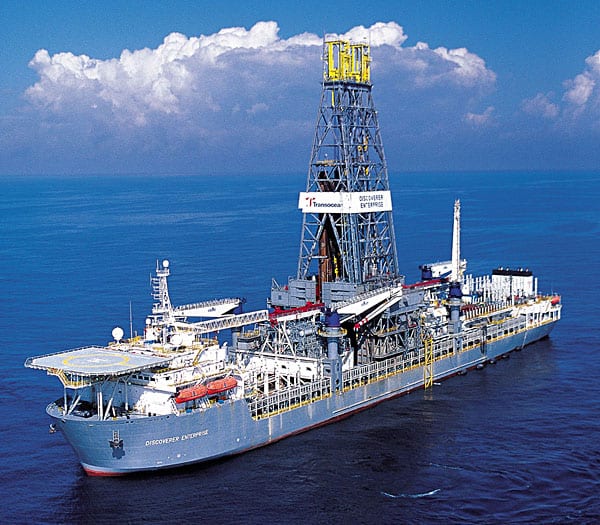
The technology, called RigDrive, is retrofittable to existing floating oil rig technology, transforming it from an energy consumer to an energy absorber as it moves with the passing waves.
The plan, which the Melbourne-based company’s director Martin Buden has admitted seems oxymoronic, is to leverage from what it describes as a “non-sustainable industry” to bring its renewable wave energy technology into the short-term commercial market.
“When you think about it, creating a clean, sustainable energy industry is about transitioning from carbon-based energy to clean energy. It cannot happen without the massive leverage available through such an industry,” Buden said.
AquaGen, whose large-scale wave power technology SurgeDrive was last year found to be cost-competitive with some onshore wind energy, says the energy generating potential of RigDrive is “massive.”
“There are currently over 400 floating oil rigs in operation worldwide, each using Megawatts of electricity for month long campaigns at a time,” said Buden. “These ships normally burn diesel for on-board electricity needs, and require supply vessels for refuelling purposes during operations – RigDrive will transform these costs into positive revenue.”
The plan is to re-invest the revenue from RigDrive into the development of the company’s other large-scale renewable energy technologies, like SurgeDrive.
“This is a much better strategy, both for our investors and for us as a solid commercial business,” said AquaGen CEO, Nick Boyd.
“The current market in clean technology only really allows for the development of clean technologies which generate short-term revenue. Wind and Solar are good examples of this. I think that this has to be the new paradigm for wave energy – instead of planning for capital intensive, large scale, long term payback wave farms, wave energy needs to develop technologies which build on existing subsea infrastructure to enable a short term investor to come in and make a profit,” Boyd said.