Winter exposes the weak points in Australia’s homes: in the south, leaky rentals, inefficient heaters, expensive tariffs and long car commutes. In the north, it can be a shortage of space for when grandparents from the south visit.
It’s also the best time to redesign how your household uses energy, because the stakes – comfort and money– are suddenly very real.
If you want to do more than “cope” this winter, think in three layers: what you can change at home, what you can change in your community, and what you demand from politics.
Put a small power station behind your meter
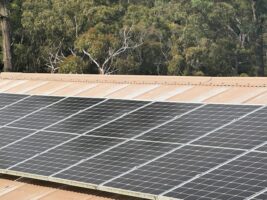
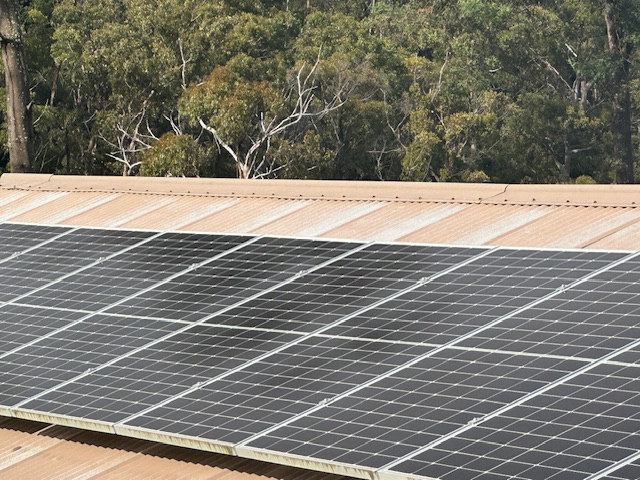
If you own a roof and don’t have solar, that’s still step one – and not just for summer. Even in winter, a well‑sized system can cover much of your hot water and background use, especially in northern and coastal regions and if you have a heat pump hot water service.
The federal Small‑scale Renewable Energy Scheme quietly underwrites rooftop solar and other small systems via tradable certificates that come off your invoice as a “rebate”. In 2026, the federal solar battery rebate can deliver big savings off the installed cost of a compliant battery system.
Used well, that battery lets you soak up winter sun when it appears (yes, it will still be there in Queensland, the Northern Territory and Western Australia!), then ride through cold evenings on your own stored power, avoiding peak tariffs when heaters, ovens and hot water are working hardest.
Tariff‑savvy households are already cutting winter grid imports by half or more with a mix of solar, batteries and smart timing of hot water, space heating and EV charging. As you move further south, winter sun is lower in the sky and it can be cloudy, but rooftop solar can still be useful.
Above the 26th parallel, “winter” is more about dry‑season comfort and preparing for the real energy crunch of the build‑up and wet than about cranking the heater.
In northern Queensland, the NT and northern WA, most households barely use space heating at all, so the smartest winter moves are to treat this mild season as a low‑stress window to fix your hot water, solar and cooling before the first 35°C day arrives.
- – Install or expand rooftop solar and, where possible, a battery so you can run fans and efficient air conditioning hard in summer on your own power;
- – shift from resistive or gas hot water to a heat‑pump system timed to soak up cheap daytime electricity (or if you’re yet to go electric in hot water heating, consider the falling price of a bigger home battery);
- – and get serious about shading, reflective roofs and ceiling insulation so the house sheds heat later in the year.
Lobbying still matters here, but the emphasis shifts to stronger minimum rental standards for insulation, shading and efficient cooling, fairer tariffs and protections in pre‑pay communities, and better public and active transport so the “mild” months can become the time you leave the car at home so your solar system can supply more power to your home?.
Don’t just pay your bill – interrogate it
One of the most underrated winter moves is changing your electricity billing plan, not just your behaviour. Energy plans vary wildly on winter tariffs, discounts and time‑of‑use structures.
Use Energy Made Easy to check whether your current plan makes sense for your winter usage, not just summer air‑conditioning.
If you have solar or are thinking about a battery, look closely at time‑of‑use tariffs and “solar sponge” offers that give very cheap or even free electricity in the middle of the day; shifting hot water and a chunk of space heating into those hours can save more than obsessing over light switches.
For Victorians, the state comparison site and Victorian Energy Upgrades program combine plan comparison with rebates for efficient appliances and insulation rebates are being phased in. Similar state programs and cost‑of‑living hubs in New South Wales, South Australia, Western Australia, Tasmania, ACT, and Northern Territory point to concessions, upgrades and localised winter advice.
Walking and buses count as winter energy policy
Most “home energy” discussions ignore the biggest fossil‑fuel habit many households have: the car. Every litre of petrol or diesel you avoid is around 9–10 kWh of energy you never need to buy in any form. Every kilometre you drive your Electric Vehicle uses 0.15 kWh or more, especially if you run the heater.
Cold, wet mornings make it tempting to default to driving, but northern European cities manage high walking, cycling and public transport use through winters far harsher than anything on the eastern seaboard.
Even replacing a few short car trips per week with walking, cycling or the bus over winter can rival the savings from a major appliance upgrade. Short trips use more fuel and pollute more while the engine warms up.
This is self‑help with politics attached. If your suburb has no safe bike lanes or reliable buses, talk about that as an energy‑cost problem with your council and MP, not just a transport issue; you’re asking for structural relief from fossil fuel dependence, not a lifestyle perk.
Renters and landlords: how about acting there’s mutual interest
More than a third of Australian households rent, often in housing with little insulation, leaky windows and old resistive heaters. Landlords pocket rising rents; tenants inherit rising bills and asthma.
That’s not a neutral “market outcome”, it’s a policy choice. Renters – and Australians who give a damn – need more measures for energy efficiency, solar for renters, and especially for the low-waged. Landlords ought only be able to raise rent if they’ve actually improved the place.
Low energy efficiency standards add costs to those making a house their home, whether owner or renter, and ultimately pressures on home budgets have implications for all Australians – and the consequential implications for demands on government budgets.
The ACT has begun changing this with minimum energy efficiency standards for rentals, starting with mandatory ceiling insulation for most properties.
Victorian renters are also benefiting from phase-in of rental standards. Research from tenant and consumer groups shows millions of renters elsewhere remain in homes with no binding standards at all.
If you are a renter, you can use portable measures – heavy curtains, door snakes, efficient plug‑in heaters – but also ask your MP whether they support national minimum rental energy standards, and how any public money for “landlord upgrades” will be tied to lower bills and better health for tenants, not just higher property values.
(With a cost-of-living crisis really just the norm, laws around rental expectation for landlords who get tax advantages on renting their premises to home and business tenants ought require something more sustainable back from landlords.)
If you are a landlord who can afford to act, do a bit more than the basics now: insulate ceilings, install efficient fixed electric heating and hot water, and allow solar where feasible.
Treating tenants as people, not chattels, starts with not making them choose between warmth and rent. As energy disclosure at time of rent or sale is introduced, potential tenants will prefer better rated homes.
Community brains trust: places smarter than your energy retailer
Most households don’t need another sales brochure; they need independent, practical advice. Several high‑quality, non‑commercial resources stand out:
- My Efficient Electric Home (MEEH) – Facebook group https://www.facebook.com/groups/MyEfficientElectricHome: a large, evidence‑driven community sharing real‑world experiences of electrifying homes and ditching gas.
- BREAZE (Ballarat Renewable Energy and Zero Emissions) – https://www.breaze.org.au: local advice and, in some areas, free “energy champions” to help plan upgrades and appliance swaps.
- Renew – https://renew.org.au: national non‑profit with magazines, guides and calculators on insulation, hot‑water heat pumps, solar and community energy.
- Yourhome.gov.au is a comprehensive set of resources from the Australian government.
- Community Power Agency – https://cpagency.org.au: supports communities to create co‑owned solar, batteries and other projects so benefits stay local.
- CORENA (Citizens Own Renewable Energy Network Australia) – https://corenafund.org.au: uses pooled donations and repayments to fund solar and efficiency upgrades for community organisations, then rolls the money into the next project.
- Electrify 2515 Community Pilot – https://www.electrify2515.org/outside-2515: Australia’s first community-led electrification pilot – worth a look.
- Increasing numbers of local councils and community groups are offering assessment and advisory services.
For households wanting a more structured plan:
- Electrify Now at https://www.electrifynow.com.au offers free reports on savings from switching to high‑efficiency electric appliances and rooftop solar, tailored to your situation.
Government “community‑style” sites fill in the rest:
- Energy Made Easy (https://www.energymadeeasy.gov.au) for plans;
- the Victorian Energy Upgrades pages (https://www.energy.vic.gov.au) for rebates; and
- the NSW Cost of Living hub (https://www.nsw.gov.au/cost-of-living) for concession‑style support and savings finders.
Taken together, these platforms let you do something far more powerful than turning the heater down: systematically replace fossil fuels with efficient electric technologies, at least cost, using public incentives that already exist.
That’s not just surviving winter. That’s using it.
Prof Ray Wills (Adjunct Professor, The University of Western Australia; Managing Director, Future Smart Strategies)
Prof Peter Newman (Professor of Sustainability, Curtin University)
Alan Pears, Senior Industry Fellow, RMIT
f you would like to join more than 29,000 others and get the latest clean energy news delivered straight to your inbox, for free, please click here to subscribe to our free daily newsletter.