The UK-based asset manage RSK Group continues to hoover up Australian energy-related organisations, with planning consultancy Cogency the latest to be bought into its fold.
Cogency started in 2022 and advises wind, solar and battery storage developers on planning approvals, environmental assessments and community engagement.
The acquisition adds another layer to RSK’s energy portfolio, says group CEO Alan Ryder.
“The energy transition is creating strong demand for advisers who can combine strategic thinking with detailed knowledge of planning, approvals and stakeholder engagement,” Ryder said in a statement.
“Cogency has built an impressive reputation in these areas and will help us provide an even more joined-up service for clients from the earliest stages of project development.”
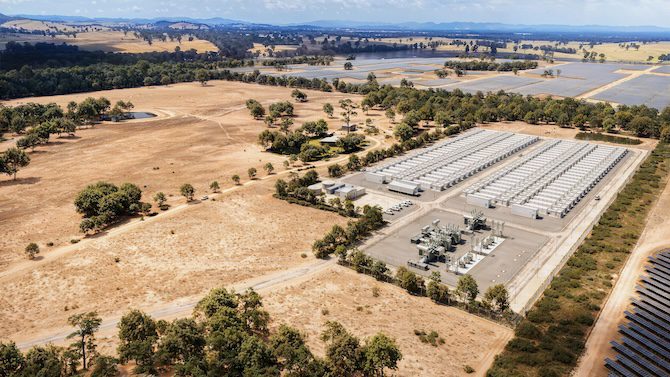
The consultancy has worked on a range of projects, including Akaysha Energy’s 400 megawatt (MW), 1600 megawatt-hour (MWh) Glenrowan battery and Malaysian developer Gamuda Berhad’s 450 MW Hazelwood North solar project in Victoria, as well as the 205 MW Weasel solar project in Tasmania.
Cogency cofounder Rebecca Wardle says the two companies are “very values aligned”.
“We’re really excited. We love what RSK does and the fact they’re working really hard toward a strong sustainability mandate, but they also let businesses continue to do what they do best,” Wardle told Renew Economy.
Cogency as an entity remains. We keep our name, brand, values, team, even our office, so we get to benefit from being part of a global network, but it’s business as usual.”
The deal brings RSK’s Australian and New Zealand portfolio of companies to 19, all accumulated since its arrival Down Under in 2021.
In the portfolio are sound and acoustics specialist Renzo Tonin & Associates – Renzo Tonin himself was a key part of the Woolcock Institute study that put an evidence-based nail in the coffin of wind turbine syndrome – and fellow planning and engagement company Capire.
And it follows the acquisition in July of Biota Environmental Sciences, a prominent consultancy that has also racked up a sizeable clutch of renewable energy clients.
Through Biotas RSK also gained its subsidiary Helix, which uses genetics and molecular methods in environmental impact assessment.
RSK has portfolio companies in the Middle East, Asia, Africa, Europe and South America, and operates as an asset manager, leaving each business to continue operating as an individual unit rather than integrating them into a global whole.
If you would like to join more than 29,000 others and get the latest clean energy news delivered straight to your inbox, for free, you can click here to subscribe to our free daily newsletter.