The owner and operator of New Zealand’s electricity grid, Transpower, has a radically transparent approach to grid connections – it’s all public and updated monthly, and a move it made partly out of frustration for being blamed for every delay.
A publicly available spreadsheet outlines exactly where each project is in the queue – and who is to blame for any delays.
“[The dashboard is] a very, very good tension for Transpower. I mean, if we’re the one holding up the project, it’s very good to be transparent about that, put some onus on us to get our act together,” Transpower executive Raewyn Moss said during an industry forum.
“But equally, where customers have been holding up projects, but complaining to our regulators or to ministers and so on, it helps to shine the light on just where things are stuck. So often it could be around approval hurdles and so on, which is not something that we have a lot of control over.”

That level of transparency is also useful to handle the scrutiny that’s come in the wake of huge political pressure after last year’s winter shortages which sent wholesale prices soaring to $NZ1,000 per megawatt hour (MWh), and connection approvals blew out to up to two years.
Moss says they’ve got the connection queue down from 48 months to to 12 months this year, with a goal of having generator approvals done in as little as six months and requests by industry for load approved in as little as three months. It’s acheived this by requiring projects to enter the queue with a significant amount of work already done.
In Australia, grid connections are typically measured in years, and the approvals process is very opaque. Network owners were even prevented at one stage, from advising aspiring project developers if there was another competitor in the same part of the grid.
The radical nature of New Zealand’s level of transparency was evident in a question from an Australian Energy Market Operator (AEMO) employee during the forum.
“I was quite interested to hear that you’re publishing the queue and all of the individual details of all of the developments,” AEMO’s Ben Jones said in slightly awed tones.
“In AEMO, a lot of that information is considered confidential.”
Everyone is watching
New Zealand’s energy system has been under intense pressure during the last two years in particular, as gas shortages have played havoc with industry and back up power supplies when dams almost ran dry.
Energy minister Simon Watts is now asking for weekly reports on grid connection progress from the grid owner, Moss says.
“Unfortunately, we haven’t managed to dissuade him. These are big projects, you don’t actually see that much progress in the week, but we’re hoping to get him there, and there’s certainly a high degree of political interest,” she says.
“We’ve certainly been under scrutiny as the energy transition gathers steam in New Zealand and our connections work has grown, and there’s been a high degree of interest from our regulators.”
The Commerce Commission, which sets Transpower’s total recoverable costs, and the Electricity Authority, which determines cost allocations to customers, are also watching.
The Transpower story is similar however to AEMO’s dilemma: in 2018 the company was only processing about five connection requests a year.
Since 2020, it’s completed about 350, or an average of 70 a year.
As of 3 June 2025, it had 73 requests at various different stages with 10 on track for connection this year.
Moss says a new wave of connection requests came in 2021 when solar developers began circling New Zealand for the first time.
And with investment in gas possibly permanently chilled following the previous Ardern government’s ban on exploration in 2018, Moss expects to see a new surge to start from this year.
“With gas now running down faster than we anticipated, we expect to see another sort of surge in applications around electrification of load,” she says.
“That’s certainly what’s behind some of the dairy processing conversions from gas to electricity, where the dairy processors simply can’t get affordable gas supplies at a price that they’re willing to pay.
“We’re working with one dairy company at the moment who need a new grid exit point in 15 months because they can’t get a gas contract. That’s a big ask, but so far, we’re looking like we might be able to deliver that.”
Coal is back
The gas shortages mean brown coal ‘is having a new life” in New Zealand’s energy mix, Moss says.
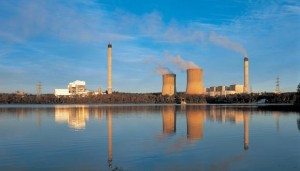
Just this week, the country’s big four generators moved closer to an Eraring-style deal to keep the Huntly coal power station open for another decade, despite the first of the station’s unit due to be retired in 2026.
Moss expects electricity supplies in New Zealand will be tight for the next two to five years.
New Zealand’s energy mix is currently about 55-60 per cent hydro, 15-20 per cent geothermal, 5-10 per cent wind, and about 10-15 per cent thermal. Large scale solar is an up-and-comer but currently only makes up 1-2 per cent of the 10,000MW installed capacity.
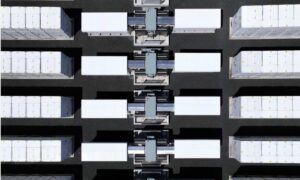
Batteries are still a new feature of the New Zealand landscape, to the point that there are still no regulations governing how they connect and operate.
Moss says Transpower has a handful of battery connection requests and its having to use generation regulations to manage their entree to the New Zealand mix, while it waits on new rules.