Australia’s new 2035 emissions reduction target of 62 per cent to 70 per cent is still unfortunately well short of what the science says is needed to keep global warming as close as possible to 1.5 degrees.
The time has surely therefore come to face our next key national challenge: implementing a swift, well planned and equitable phase out of fossil fuel exports.
To give the world some chance at avoiding catastrophic climate impacts, the International Energy Agency notes that fossil fuel use needs to peak in 2025, leaving no room for new coal, oil or gas projects. Certainly not massive gas export projects like Woodside’s North West Shelf which the Australian government approved last week.
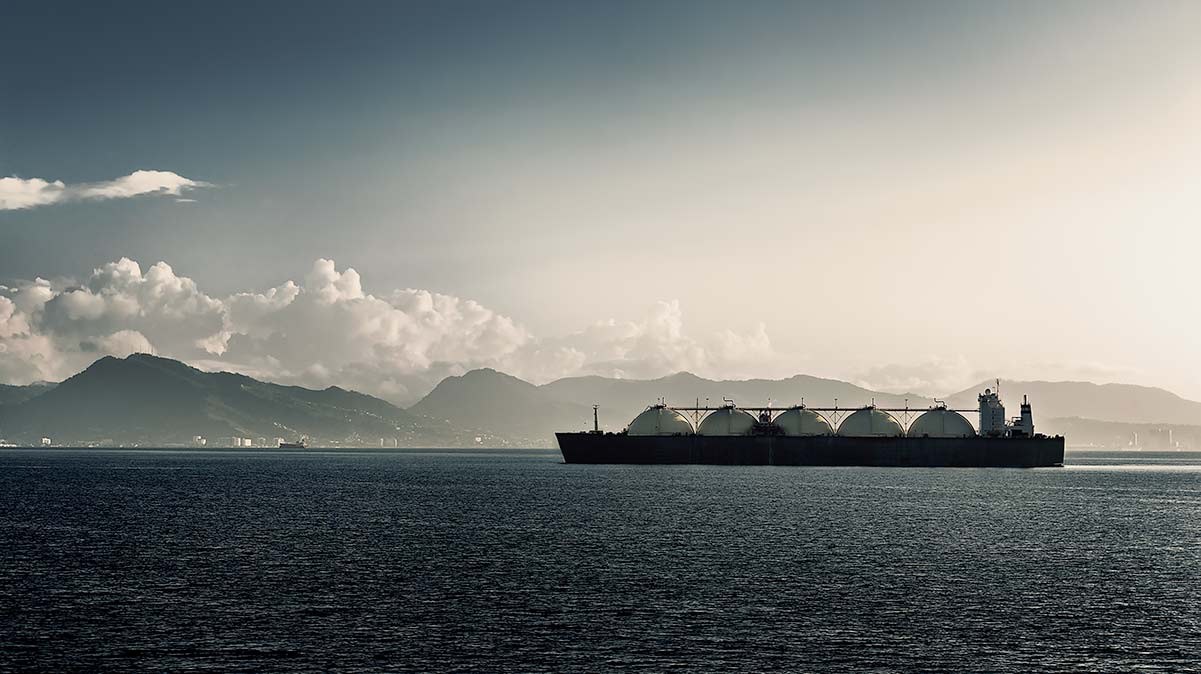
Australia remains the world’s second largest exporter of coal and LPG gas. Our fossil fuel exports generated more than three times our domestic emissions in 2023. Recent analysis has found that Australia’s fossil fuel exports alone could consume 7.5% of the world’s remaining CO₂ budget to 2035.
International pressure to end fossil fuel exports will continue to accelerate following the recent finding by the International Court of Justice that all countries – including Australia – have a binding legal obligation to protect the climate system from greenhouse gas emissions. This includes emissions caused by fossil fuel production and exports.
Pressure to end fossil fuel exports is also growing from many Pacific Island communities as well as from European governments who have already begun implementing Carbon Border Adjustment Mechanisms taxing fossil fuel imports.
A growing number of states and cities are also now signing on to the Fossil Fuel Non Proliferation Treaty, a powerful new international movement for ending fossil fuel production and consumption.
The key challenge now is to design and implement a comprehensive strategy for accelerating the phase out of fossil fuel exports while maximising social, economic and environmental benefits for all Australia regions and communities.
As noted in our recent book, Regional Energy Transitions in Australia a proactive, well planned strategy for phasing out fossil fuel production is likely to be far more successful than waiting for fossil fuel export industries to be closed with little or no warning or preparation.
The key ingredients for creating a swift, well managed strategy for phasing out Australian fossil fuel exports are all well understood.
The first step would be an immediate moratorium on approvals for all new fossil fuel projects, followed swiftly by legislation to set and enforce targets for phasing out fossil fuel exports.
Strengthened environmental impact assessments, First Nations’ land and sea rights, and biodiversity protections could play a valuable role in reinforcing these legislative actions.
Recognising Australia’s role as a key fossil energy supplier also means accepting our responsibility to support our key trading partners achieve a just transition away from fossil fuels.
The second step would be to end all direct and indirect fossil fuel subsidies and expand taxes and royalties on fossil exports.
The billions of dollars currently allocated to fossil fuel subsidies could then be reallocated to investing in the infrastructure, R&D and skills needed to assist industry to decarbonise and to maximise Australia’s potential as a renewable energy superpower.
Underpinning all of this is the need to work closely and respectfully with regional communities and workers; industries and investors to ensure a smooth and just transition away from fossil fuels while building the industries that will create the next generation of prosperity.
Opinion in regional communities about energy transition priorities and strategies is clearly deeply divided. Key learnings from our recent conversations in regional communities however highlight three key preconditions for achieving swift and well planned energy transitions.
1. Listening carefully and respecting local knowledge, experience and expertise.
2. Inclusive, decisive, well integrated local, state and national leadership.
3. Delivering on the crucial commitment that no household; no community, no region will be left behind.
Conversations also often turn to the investments in R&D, infrastructure and skills needed to develop new industries powered by renewable energy, including green iron, steel and aluminium; green hydrogen and ammonia; critical minerals extraction and processing; and manufacturing.
They further highlight the investments needed in health and housing, education and transport; environmental protection and regeneration needed to build well connected, prosperous and thriving regional economies and communities.
The transition from being a fossil fuel quarry to a prosperous and resilient zero carbon economy is Australia’s most urgent challenge and greatest opportunity.
We have the resources, expertise, investment; as well as the imperative and the responsibility of being one the biggest fossil fuel producers in the world. And we have all the opportunities which could flow from our abundant renewable energy resources.
All we need now is a comprehensive phase-out strategy and the political will to implement it. A tough – some might even say impossible – task.
We cannot however let ‘achievability’ become the new smokescreen delaying crucial climate action. After all as Nelson Mandela reminds us, it always seems impossible until it’s done.
Gareth Edwards, John Wiseman and Amanda Cahill are co-editors of Regional Energy Transitions in Australia: From Impossible to Possible, published by Routledge (2025).