
Victoria’s gas and electrification policies are beginning to have a noticeable impact, as new gas connections slump and electricity demand profiles begin to change.
Gas connection requests halved in the first quarter of 2025 now that new connections have to be paid for upfront, says distribution network service provider (DNSP) Ausnet Services.
“We are starting to see the gas connection pipeline slow over time as policies start to take effect, but there is a lag given the Victorian restrictions only apply to new developments which need a planning permit,” the company said in response to questions from Renew Economy.
Victoria has been working to phase out gas from household use for a number of years.
The Gas Substitution Roadmap, introduced in 2022, bans gas connections to most new homes in the state and is aiming to phase it out of existing homes by requiring households to replace old gas appliances with efficient electric alternatives, with the help of rebates and other support mechanisms.
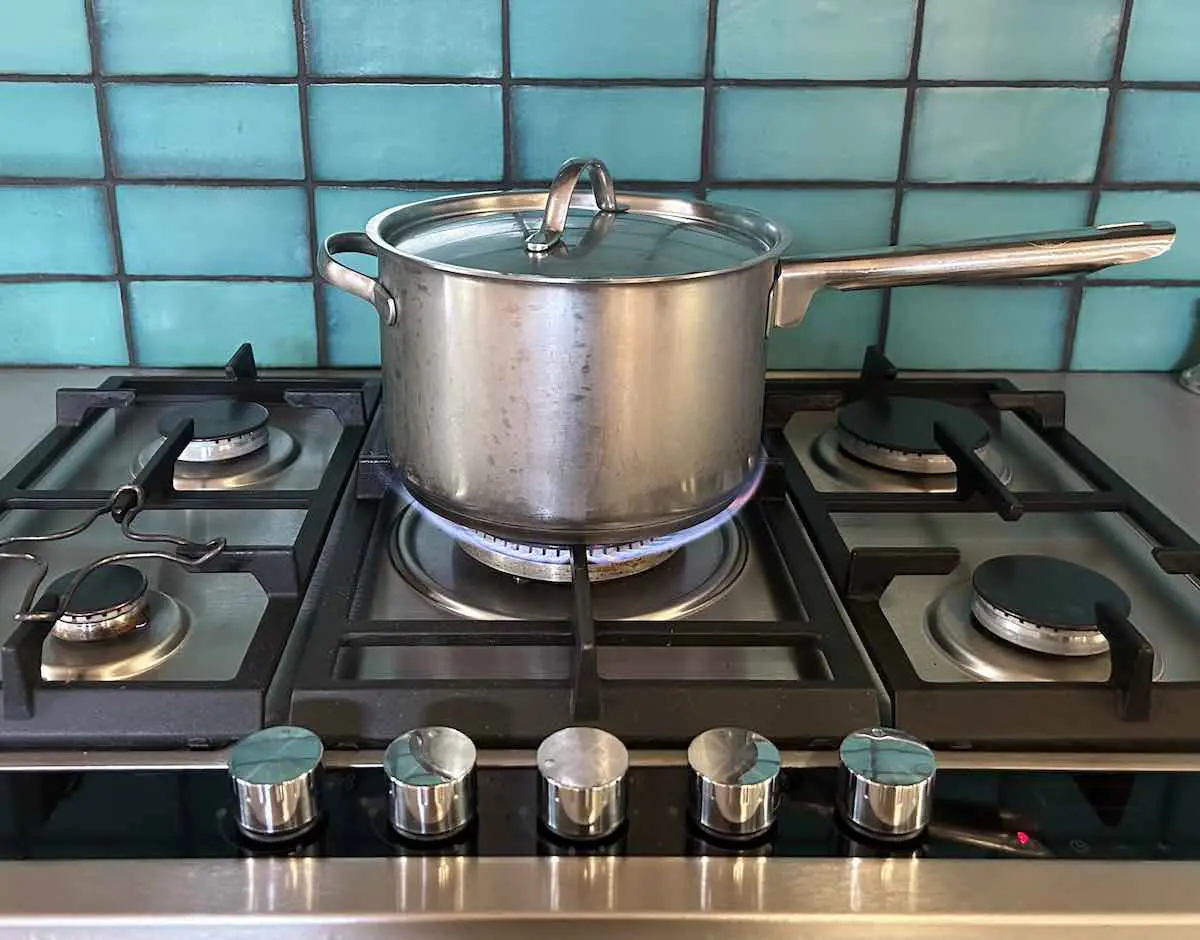
Late last year it introduced legislation that paves the way to requiring unfixable gas appliances – bar cooktops – be replaced with electric ones.
“Victoria is the largest user of residential gas in Australia, with two million households and businesses connected to the reticulated gas network,” Victoria energy minister Lily D’Ambrosio said in a statement at the time.
“Converting an existing home from gas to all-electric will save the average family $1,700 per year and if they add rooftop solar, they could save $2,700 per year.”
And moves like making people who want gas in their homes pay for it upfront are proving to be effective disincentives.
Ausnet says more than 20,000 new customers connected to its gas network in 2024, with a spike in requests coming in December that was three times the normal rate.
“For our existing customers, we are seeing a clear trend of customers using less gas, particularly gas heating, which is consistent with what we are seeing on the electricity network but will also be partially attributable to other factors including the increasing cost of living,” the DNSP said.
On the electrification side, newly built homes are having higher peak demand on winter days than homes built five or more years ago, Ausnet says.
The company attributes this to more reverse cycle air conditioner heating, rather than a rise in badly insulated new homes.
The new winter peak
The switch from gas to electric heating is shifting peak demand in chilly Victoria from summer to winter mornings and evenings.
Ausnet is forecasting that winter demand growth will be 18 per cent higher in 2031 compared to 2026, and estimates that whole network will switch to winter peaking as early as the 2027 winter.
The concern that summer blackouts are replaced by winter supply troughs is one already making modellers nervous.
Last year, Endgame Economics reported that National Energy Market (NEM) states must begin to focus on long duration storage to tide their networks through new periods of electricity demand peaks – cold, wet mornings when heaters and dryers are both switched on – at the same time as renewables are delivering the lowest volumes of energy during the year.
Ausnet is trying to figure out how to spread energy demand across the day with flexible load connections for large customers and the same for electric vehicles, vehicle-to-grid (V2G) trials, and alternative tariffs.
But like all DNSPs, the numbers show it has to work fast.
One in 10 homeowners say they will switch to all electric within the next two years, and one in three plan to switch off gas in the next decade, according to a survey by Energy Consumer Australia.
If governments can find a way to bring low income households and landlords into the transition, that may happen even faster.