Western Australia has released new draft guidelines setting out how renewable energy developers should approach community consultation on new projects and achieve “sensible arrangements” that balance community benefits with affordable clean energy.
State energy ministerAmber-Jade Sanderson says the Draft Guideline on Community Benefits for Renewable Energy Projects follows calls from local governments, industry and communities for better top-down guidance on the hot-button issue.
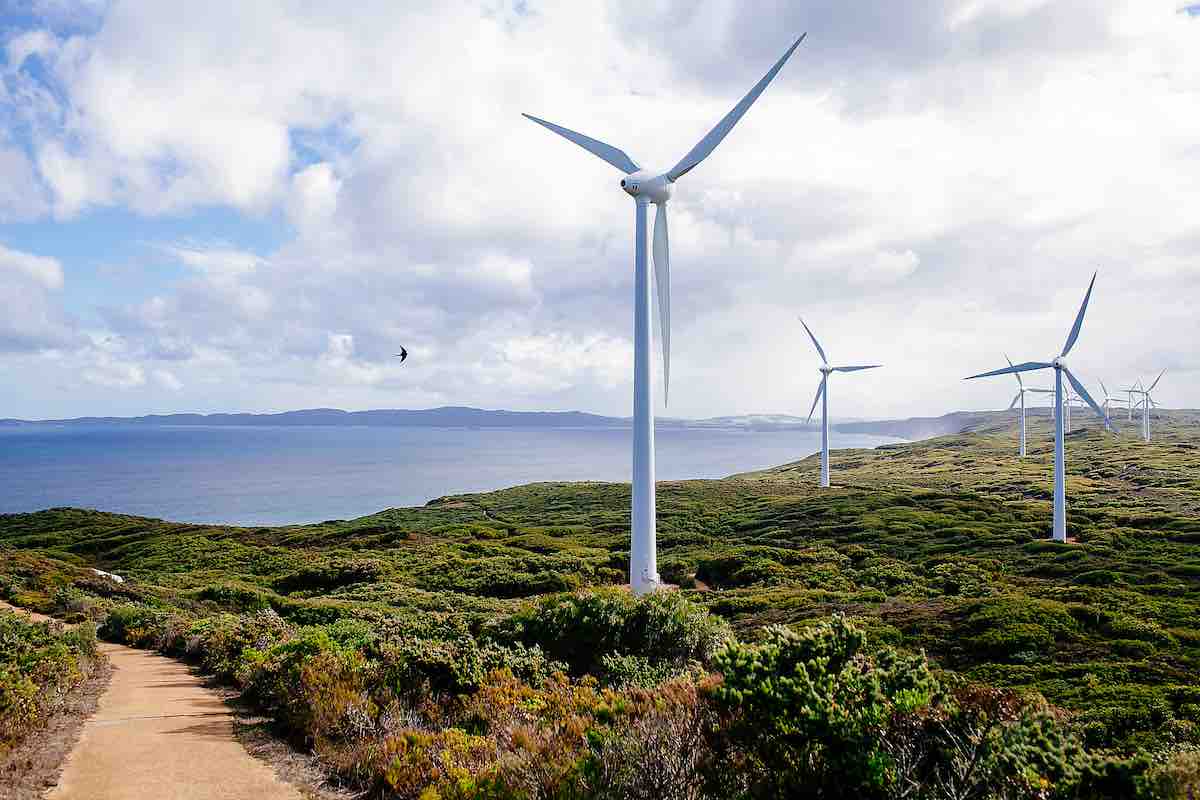
Sanderson says the Guideline aims to provide a “starting point” for discussions between developers and community and government stakeholders, recognising that benefits from wind turbines, solar farms, and batteries “may not be experienced in proportion to the impact on the local area.”
The minister says the principles of the Draft Guideline would be applicable across the state, but most relevant to projects intending to connect to WA’s main grid, the South West Interconnected System.
“Industry and communities have been clear – and this government has listened and delivered,” Sanderson said on Thursday.
“I am pleased to have worked with WALGA [the Western Australian Local Government Association] to understand the needs of local governments, and to hear from them today as we launch this Draft Guideline.
“The Cook government is working hard to ensure the benefits of the energy transition are spread throughout Western Australia. The Draft Guideline is one way of achieving that.”
The release of the Draft Guideline – which is open for consultation on the Energy Policy WA website until August 04 – follows the news earlier this week that the state Labor government will bolster the state’s Environmental Protection Authority (EPA) with $5 million in new funding.
The money, spread across three years, is being used to help fund the expansion of the EPA board, from five to nine members, and its CBD office hub in Perth.
The WA Cook government last year made a series of reforms to the EPA, which it hailed as “the most significant… in a generation.”
The reforms, which removed the right to appeal EPA decisions not to assess a project, also allow other agencies to process and issue their own approvals while the environmental watchdog is working through its applications.
Controversially, the reforms also stripped the EPA of the power to include carbon emissions in decisions on whether to approve highly polluting projects.
The state government claimed the reason was because with the federal safeguard mechanism in place, there was no need for WA’s EPA to also monitor emissions.